
Last updated November 24, 2026
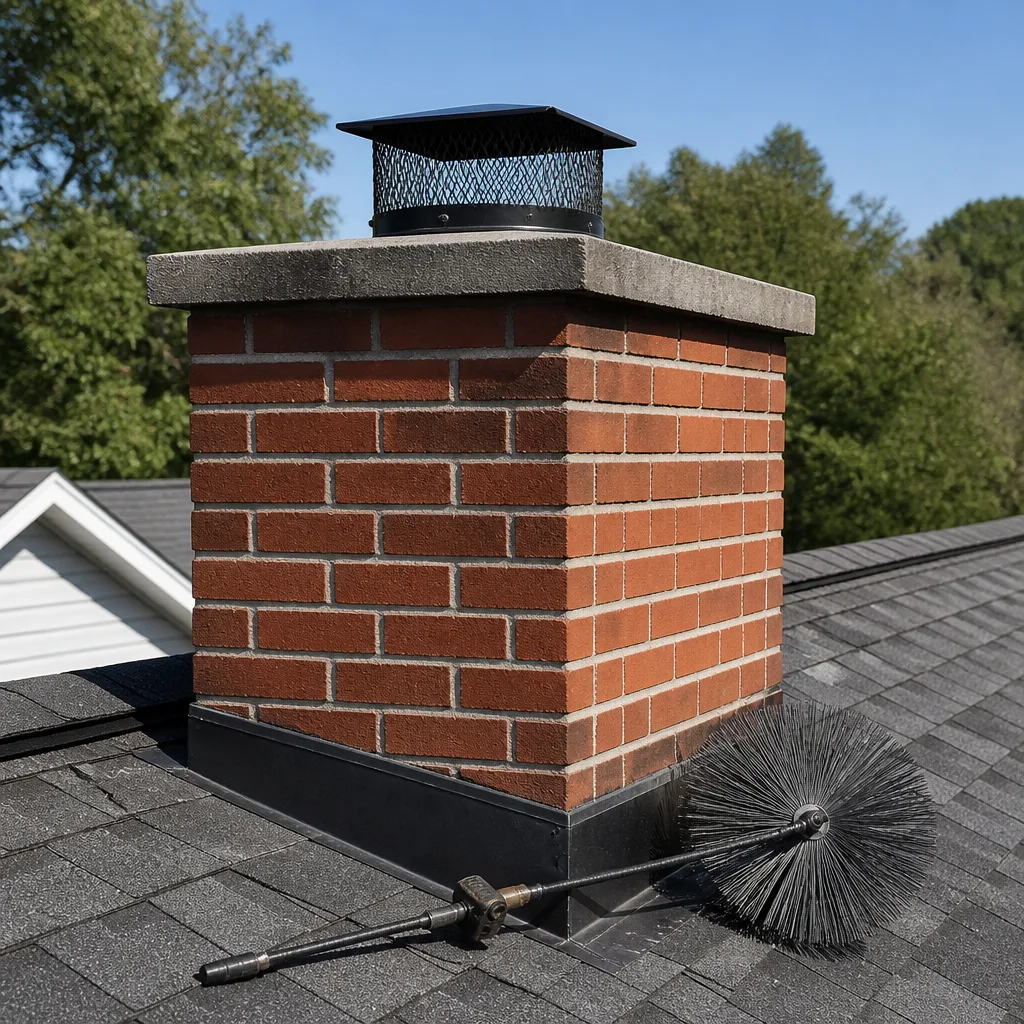 Sweep & inspection
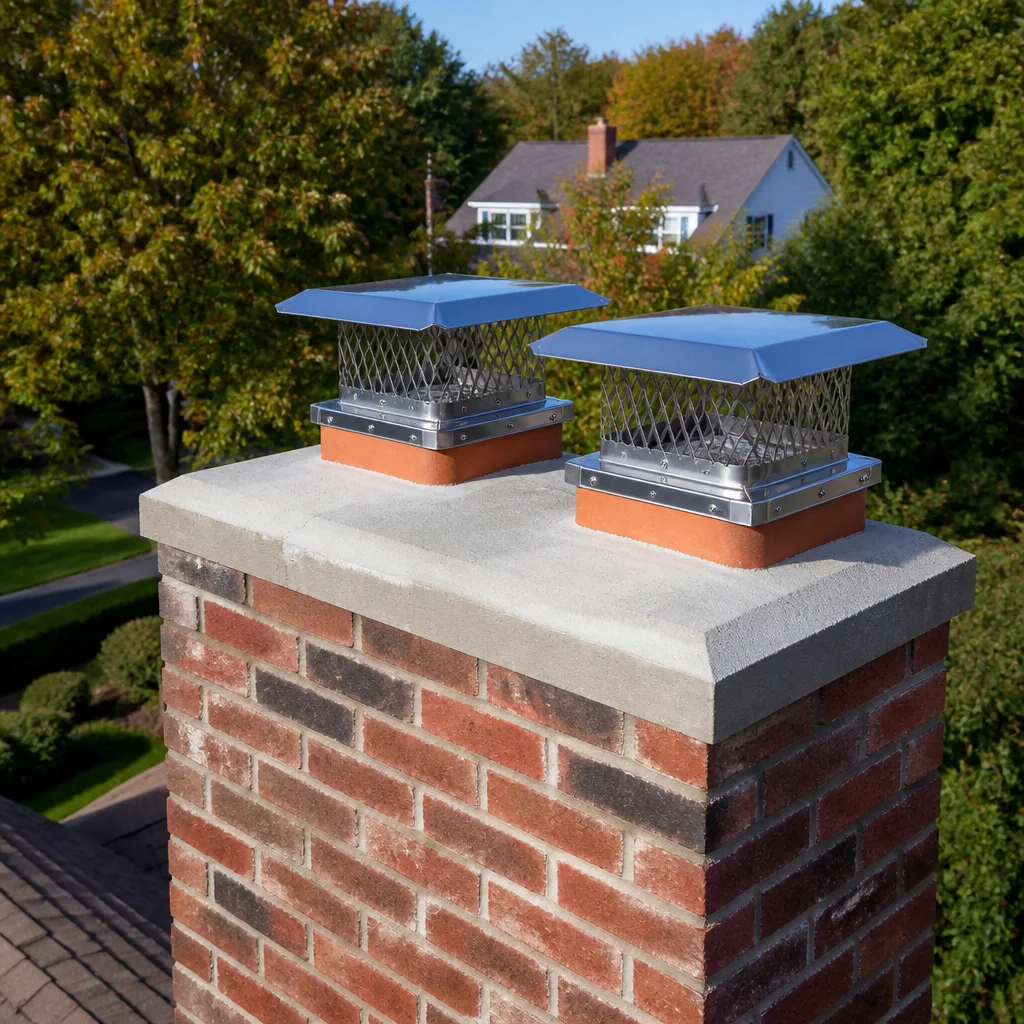 Caps & crowns
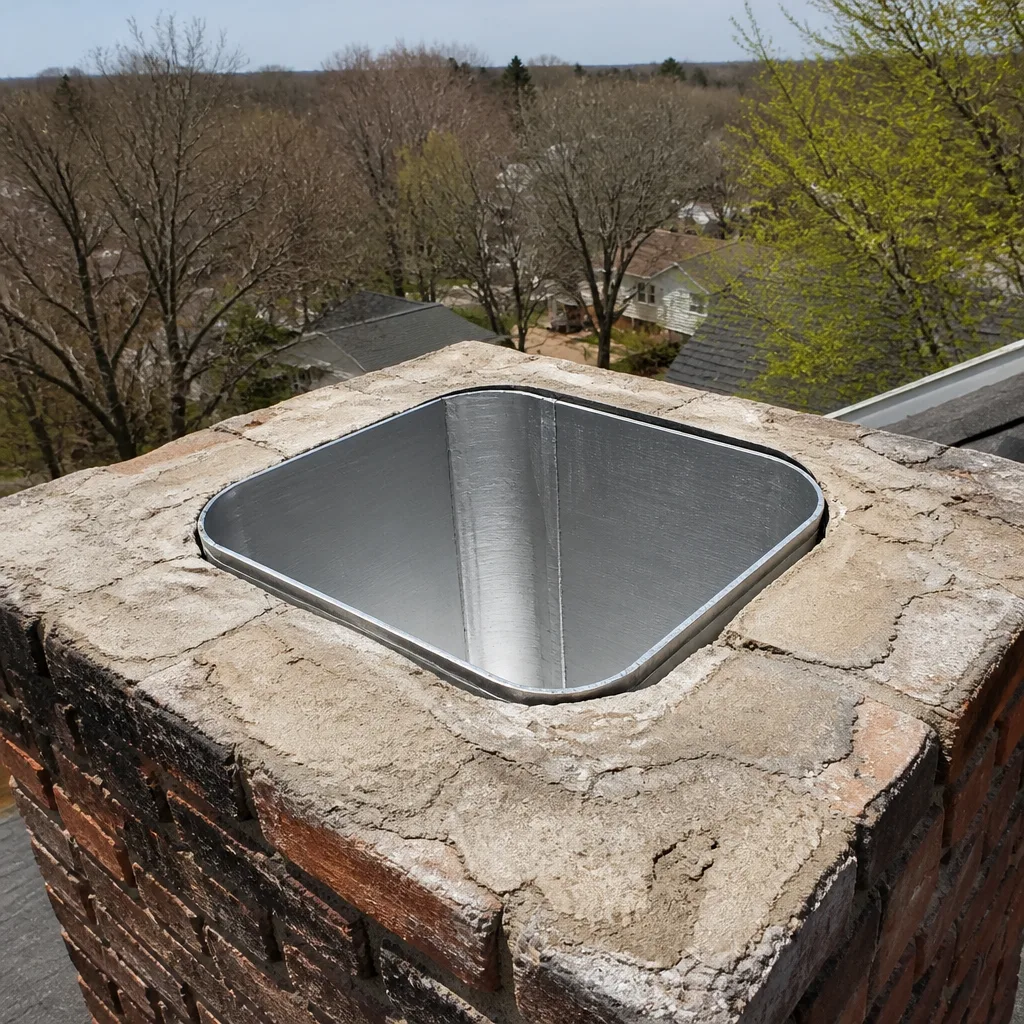 Flue relining
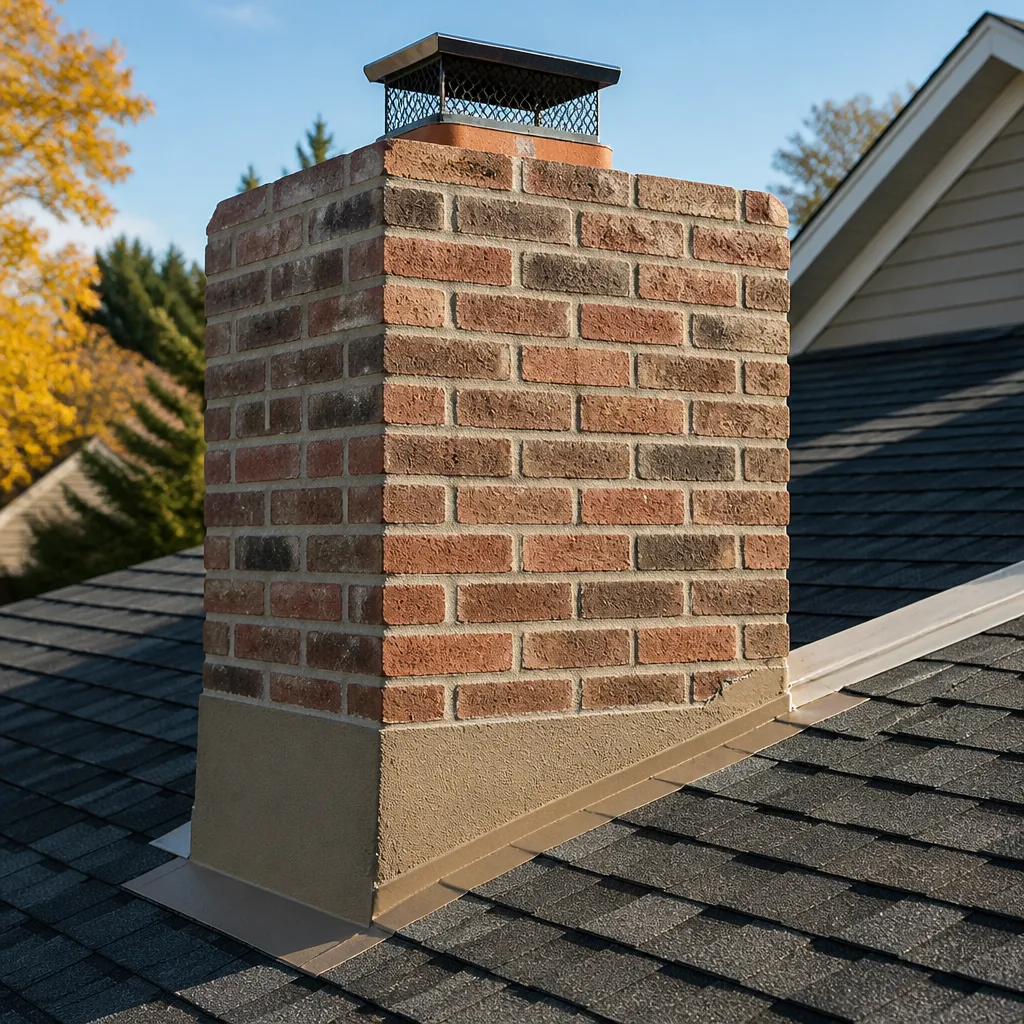 Masonry repair
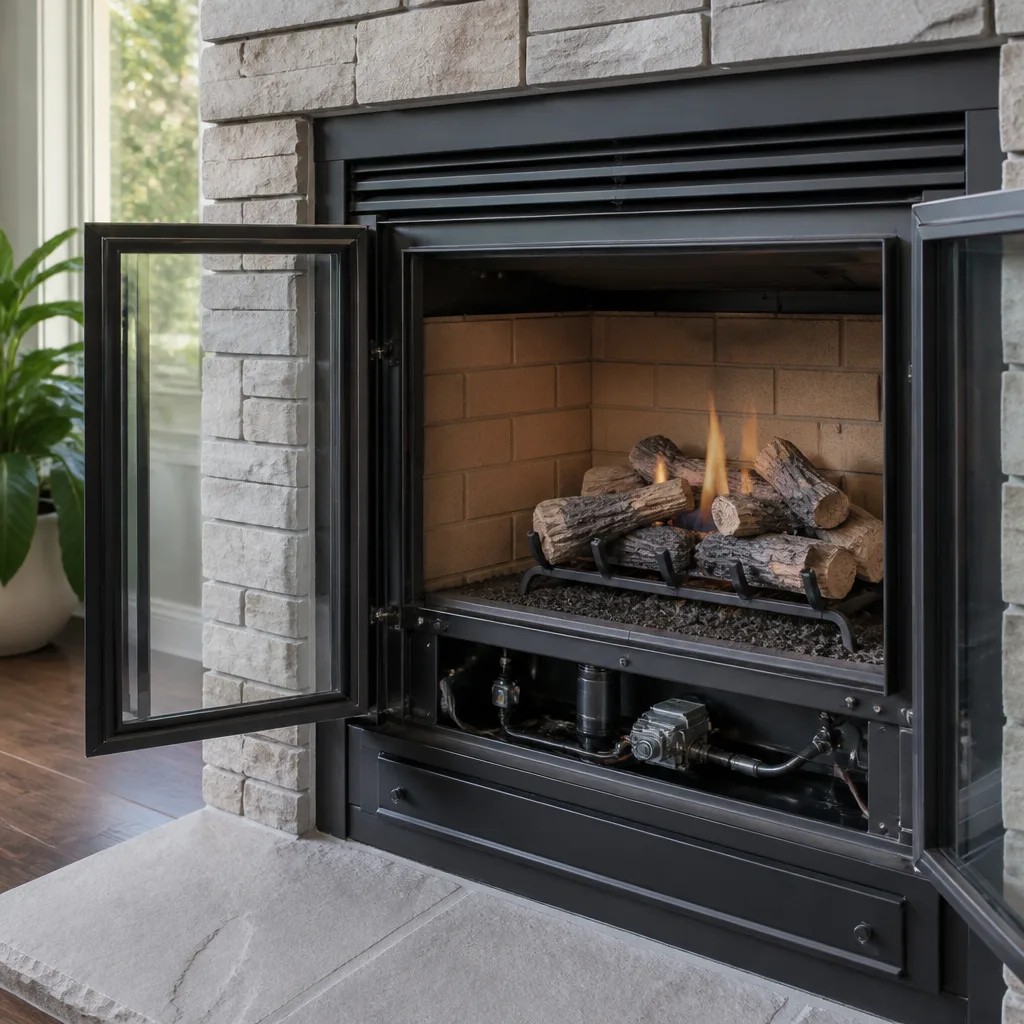 Gas fireplace service
Level 1 sweep and inspection to the NFPA 211 annual standard - flue, crown, cap, and flashing checked and photographed
Chimney sweep logs do not sweep chimneys. They loosen some creosote - which then falls where a brush and vacuum still have to collect it.
The Complete Guide to Chimney Cleaning in Pleasant Grove
Most chimney fires in Utah aren’t caused by dirty chimneys. They’re caused by chimneys that were cleaned to the wrong standard for the amount and type of wood actually burned. A flue can look clean from the firebox and still hold a glaze of hardened creosote that a light brushing won’t touch. Here in Pleasant Grove, where cold canyon air pours down against the mountains and many homes burn steady fires through the winter, that distinction matters more than a generic national checklist lets on. This guide walks through what a thorough cleaning actually involves here, how Utah’s elevation speeds up creosote, and what you should expect to pay for and see.
Quick Answer
A thorough chimney cleaning in Pleasant Grove means brushing the full flue, removing creosote to the correct stage for your burning habits, and inspecting the chimney system from the firebox to the crown before the first fire of the season. Most homes here benefit from an annual cleaning and inspection, and gas inserts still need an annual flue inspection even when there’s no visible soot. A light surface brush is not the same as a full cleaning.
Styles & brands we work with
- Sweep & inspection
- Caps & crowns
- Flue relining
- Masonry repair
- Gas fireplace service
Table of Contents
- Why Pleasant Grove Chimneys Clean Differently
- The Three Stages of Creosote and What Removes Each
- Level 1 vs. Level 2 Inspections in Practice
- What a Full-Service Sweep Does vs. a Discount Sweep
- Why Gas Inserts Still Need Annual Inspections
- Rotary Brushing vs. Chemical Treatment
- What Chimney Cleaning Costs in Pleasant Grove
- How to Prepare for a Cleaning Visit
Why Pleasant Grove Chimneys Clean Differently
Pleasant Grove sits in a mountain valley, and that geography shapes what happens inside your flue. Cold canyon air settles against the foothills on winter nights, and when a fire is burning low or smoldering overnight, the smoke cools before it can exit the chimney. Cool smoke condenses on the flue walls faster than hot smoke does, and what condenses is creosote. That’s the core difference between burning here and burning at a lower, warmer elevation: the exhaust has less heat to carry it out cleanly, so deposits build faster and harder.
The wood-burning culture here reinforces the pattern. Fireplaces and wood stoves get used hard in Pleasant Grove through the colder months, and many homeowners burn a mix of seasoned and less-seasoned wood depending on what’s available. Green or damp wood produces more smoke and more moisture, and both feed creosote. Combine that with elevation and cold snaps, and you get flues that reach stage-2 and stage-3 creosote sooner than a homeowner in a mild climate would expect.
There’s a second local factor worth understanding: the rapid temperature swings. A warm afternoon followed by a cold night causes the metal and masonry of the chimney system to expand and contract. Over a season, that movement can open small cracks in the flue tile or mortar joints, and those cracks give creosote and moisture a place to collect. It’s part of why we treat a cleaning as a full-system check rather than a quick brush and go. The firebox, damper, smoke chamber, flue, cap, and crown all interact, and a problem at the top can affect how the whole system drafts.
None of this is meant to alarm you. It’s simply that a cleaning schedule borrowed from a national checklist doesn’t match how Pleasant Grove chimneys actually behave. If you burn wood regularly, expect to clean and inspect every year. If you burn occasionally, a yearly inspection still makes sense so you know what you’re working with before the first fire of the season. The goal is to know the condition of the whole chimney system, not just to sweep the part you can see.
The Three Stages of Creosote and What Removes Each
Creosote is the residue left behind when wood smoke cools and condenses on the walls of the flue. It doesn’t form all at once. It builds in stages, and each stage needs a different method to remove safely. Understanding this is the single most useful thing a Pleasant Grove homeowner can learn about their chimney, because the stage of creosote in your flue determines how much work the cleaning involves.
Stage 1 creosote is the flaky, sooty, easy-to-remove layer that looks like black dust and loosely clings to the flue walls. It brushes off readily. Stage 2 is harder: a shiny, crusty, hardened layer that a standard brush may not fully remove. Stage 3 is glazed creosote, hard and glossy like glass; this is the stage most closely associated with serious chimney fire risk, and it will not come off with a brush alone. When we inspect, we tell you which stage you’re dealing with, because that determines the method.
Here’s how the methods line up:
- Rotary brushing works well for stage-1 and most stage-2 deposits. A motorized rotary brush spins against the flue walls and scrubs thoroughly.
- Manual brushing handles lighter deposits and smaller flues. It’s gentler and fine for routine maintenance.
- Chemical treatment is used for glazed, stage-3 creosote. A chemical agent softens the glaze over time so it can be brushed away safely instead of chipping at it.
- Resurfacing is for a damaged flue, not a dirty one. If the flue lining itself is cracked, a resurfacing system like HeatShield can repair it without a full reline.
The important point for Pleasant Grove homeowners: if the creosote in your flue has reached stage 3, a quick brush-and-go cleaning is not a real solution. Hard glazed creosote can be re-lit repeatedly and keep building. That’s how a chimney gets cleaned to the wrong standard even though it was “cleaned.” Ask whoever comes out which stage of creosote they found and how they’re removing it. A professional will answer without hesitation.
Level 1 vs. Level 2 Inspections in Practice
The word “inspection” covers different scopes of work, and it helps to know which one you’re actually getting. The industry standard recognizes three levels, but in day-to-day practice for a Pleasant Grove home, two of them matter most: Level 1 and Level 2.
A Level 1 inspection is the baseline check. It covers the readily accessible portions of the chimney and venting system: the firebox, damper, flue from the firebox up as far as can be seen, the smoke chamber, the cap, and any visible exterior. It’s appropriate when nothing has changed in the system and no problems are suspected. This is the inspection included with an annual cleaning for many homes.
A Level 2 inspection goes further, using a camera. It covers the same accessible portions but adds the parts you can’t see directly, including the inner flue lining. This is the right inspection when a home has changed hands, when a new appliance is installed, after a chimney fire or seismic event, or when there’s been a change to the fuel type or the shape of the flue. In Pleasant Grove, it’s also worth considering after a long stretch without a cleaning, because small cracks and gaps in the flue tile don’t show up in a Level 1 check.
We offer inspections as a standalone service. That’s deliberate. You can book an honest assessment of your chimney system without committing to any work, and you’ll get the findings, photos, and a plain explanation of what we see. If the flue is fine, we say so. If something needs attention, you’ll know what it is and why. That transparency matters more than a sales pitch.
What a Full-Service Sweep Does vs. a Discount Sweep
A full-service cleaning and a discount “sweep and go” can look similar on the invoice, but they’re not the same job. Knowing the difference protects you from paying twice for the same work in different seasons.
- Protects the work area first. A professional lays drop cloths, seals the opening, and uses a vacuum with proper filtration, so soot stays in the chimney and not in your living room.
- Brushes the full flue. That means top to bottom, not just the lower portion you can reach. A proper sweep works the entire flue run.
- Assesses the creosote stage. The technician identifies stage 1, 2, or 3 and uses a method matched to it, including chemical treatment for glazing.
- Inspects while cleaning. The firebox, damper, smoke chamber, flue, cap, and crown get looked at during the sweep, and any issues are documented with photos.
- Removes and disposes of the debris. That includes ash and creosote debris from the firebox and flue.
- Reports findings. You get a clear explanation of what was found and what, if anything, needs attention, plus a written recommendation.
- Checks for water intrusion points. The cap and crown are the two most common spots where water gets into a chimney system, so a full service checks them.
A discount sweep typically brushes the visible flue and leaves it at that. No camera, no full inspection, no creosote-stage assessment, and no report. If you don’t know what the technician found, you can’t make a decision about your home. The real value of a full cleaning isn’t just a cleaner fireplace. It’s the information that comes with it, and the ability to act on what you know before the season starts.
Why Gas Inserts Still Need Annual Inspections
If your fireplace has a gas insert, you might think chimney care doesn’t apply to you. It does, though the focus shifts. Gas inserts don’t produce creosote the way wood fires do, but the flue still carries exhaust, and the venting system still has to work correctly. The venting and combustion components are where gas insert problems show up, and those problems are rarely visible from the living room.
An annual flue inspection for a gas insert checks that the venting is clear and correctly connected, that no debris or animal nesting has blocked the flue, that the cap is intact, and that the appliance’s exhaust is venting where it should. Carbon monoxide is the reason this matters. When a gas appliance’s venting is compromised, exhaust can find its way back into the home. An annual check on the chimney system is straightforward prevention, and it’s less work than responding to a problem later.
In our experience around Pleasant Grove, gas inserts and gas fireplaces are common in newer and remodeled homes, and the flues attached to them often go uninspected for years because “there’s no soot.” The absence of soot is not evidence the system is healthy. It’s evidence you haven’t looked. An annual inspection confirms the venting works and gives you a record of your system’s condition, which is useful for insurance and resale as well as safety.
Rotary Brushing vs. Chemical Treatment
The two main cleaning approaches are rotary brushing and chemical treatment. Which one is right depends entirely on the creosote stage in your flue, and a technician should choose it after inspecting, not before.
Rotary brushing uses a motorized brush that spins against the flue walls, and it’s the standard for routine cleaning. It’s effective on stage-1 and most stage-2 deposits, and it does a thorough job on the main flue run. It’s fast and clean, and it’s what a normal annual cleaning uses. For homeowners who burn seasoned wood and stay on top of annual cleaning, a rotary brush is usually all that’s needed.
Chemical treatment is for the stubborn cases. Glazed stage-3 creosote is hard, and trying to remove it with a brush alone is unsafe and ineffective. A chemical creosote treatment softens the glaze so it can be brushed away without chipping off chunks. It can take more than one visit, and it’s not a shortcut, but it’s the right method for a flue that has been building glazed creosote over multiple seasons. In Pleasant Grove, where cold snaps and dense burning can push a flue to stage 3 faster than expected, chemical treatment shows up more often than in milder climates.
Either way, the work involves professional-grade products. We install and work with the same material lines that specialists across the industry rely on, including HeatShield for resurfacing and Gelco and Olympia Chimney components for flue and venting work. These aren’t retail substitutes. They’re the professional lines, and they’re what you want in a chimney that has to hold up through many winters.
What Chimney Cleaning Costs in Pleasant Grove
Chimney cleaning in Pleasant Grove typically falls in a range based on the type and size of the chimney and the condition of the creosote. A standard wood-burning fireplace cleaning sits toward the lower end of the range, while longer or more complex flue runs and heavier deposits move toward the upper end. A standalone inspection is generally less than a full cleaning, and the two combined are usually booked as a single visit. These are estimates, and your written estimate sets the final price.
- Standard fireplace cleaning: the typical range for a routine wood-burning fireplace sweep with a basic visual inspection.
- Full flue cleaning with creosote treatment: higher where glazed creosote needs chemical treatment and additional time.
- Standalone chimney inspection (Level 1 or Level 2): priced on its own, so you can get an assessment without committing to cleaning or repair.
- Cap and crown work: quoted per job, based on the chimney system and the material needed.
- Liner resurfacing (HeatShield): quoted per job after inspection confirms the lining is sound enough for resurfacing rather than replacement.
- Fireplace or chimney repair: quoted per job once the scope is clear from the inspection.
We work with a flat-price agreement: the price of the sweep is agreed before the work is booked, and any additional work is recommended only after you see the inspection findings, including photos. The written estimate sets the final price. If a cleaning turns up something that needs attention, you decide what happens next, and we can talk through whether it can safely wait. That’s a real option. Not everything needs to be handled the same week, and a good technician will tell you when the work can be scheduled for later.
How to Prepare for a Cleaning Visit
A little preparation makes the visit smoother and keeps the work area clean. You don’t need to do much, but these steps help.
- Clear the area around the fireplace. Move furniture, rugs, and decor a few feet back from the hearth so the technician has room to work.
- Don’t burn for at least 24 hours before the visit. The firebox and ash need to be cool, and a recent fire leaves ash that makes the job harder to keep tidy.
- Note any issues you’ve noticed. Smoke back-drafting into the room, a draft that feels weak, odd smells, or a damper that sticks are all worth mentioning before the work starts.
- Make sure someone can be home. Someone should be present during the visit so the technician can walk you through the findings.
- Have your questions ready. Which inspection level your home needs, what creosote stage is likely, and when the last cleaning happened are all useful to discuss.
- Protect nearby surfaces if you’re concerned. A professional seals the opening and uses drop cloths, but clearing nearby items gives extra room to work without knocking anything over.
For a chimney sweep in Pleasant Grove, this kind of preparation is common sense, and it’s worth the few minutes. If you’d like to book a cleaning and inspection together, our chimney sweep service covers the full visit from firebox to crown. You can also get a sense of our full range of work on our Pleasant Grove Chimney Sweep home page, and if you’re managing a fireplace that’s seen better days, our fireplace repair service can handle everything from the firebox out. For a chimney that’s already showing problems, chimney repair covers structural and masonry work, including crown and cap repairs.
Common Mistakes to Avoid
- Assuming a light brushing equals a cleaning. A flue can look clean from the firebox and still hold hardened stage-2 or stage-3 creosote. Ask which stage was found and how it’s being removed.
- Burning green or damp wood through the season. In Pleasant Grove, unseasoned wood produces more smoke and more moisture, which feeds creosote faster. Seasoned wood burns cleaner and leaves less behind.
- Skipping the inspection on a gas insert. No soot doesn’t mean the venting is sound. An annual flue inspection is the check on a gas appliance’s exhaust, and it’s worth doing even when the fireplace looks pristine.
- Waiting for visible creosote before booking. By the time you can see heavy buildup, the flue may already be at the stage that needs chemical treatment. Timing the cleaning before the season saves work.
- Ignoring the cap and crown. These are the two most common points where water enters a chimney system. Water damage doesn’t announce itself, so it gets checked as part of the visit.
- Hiring a generalist handyman for chimney work. Chimney cleaning and repair is a single-trade focus, and the tools, materials, and inspection camera are specific to that trade. A generalist is more likely to skip the parts of the job that matter.
- Cleaning only the visible flue and leaving the smoke chamber unexamined. The smoke chamber is part of the system and part of what a proper inspection covers. If it isn’t looked at, a problem can stay hidden for years.
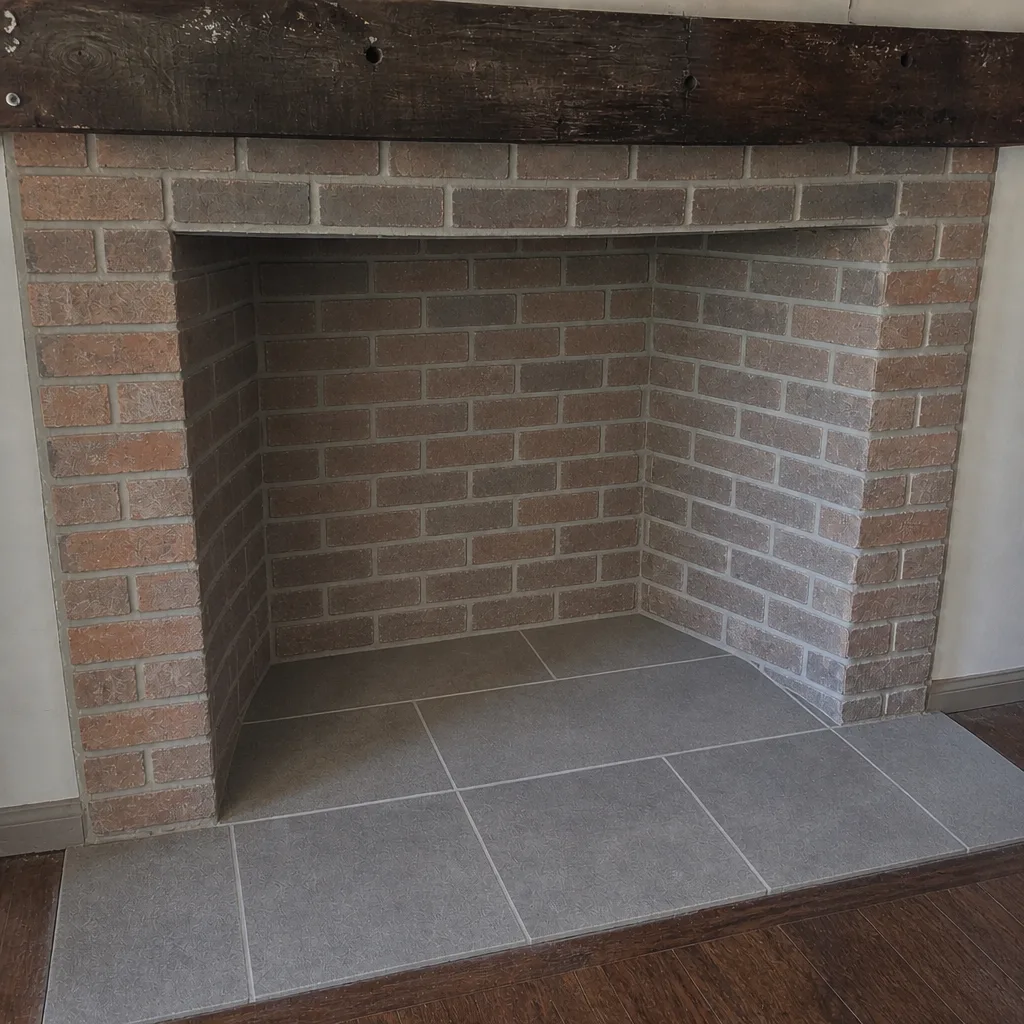
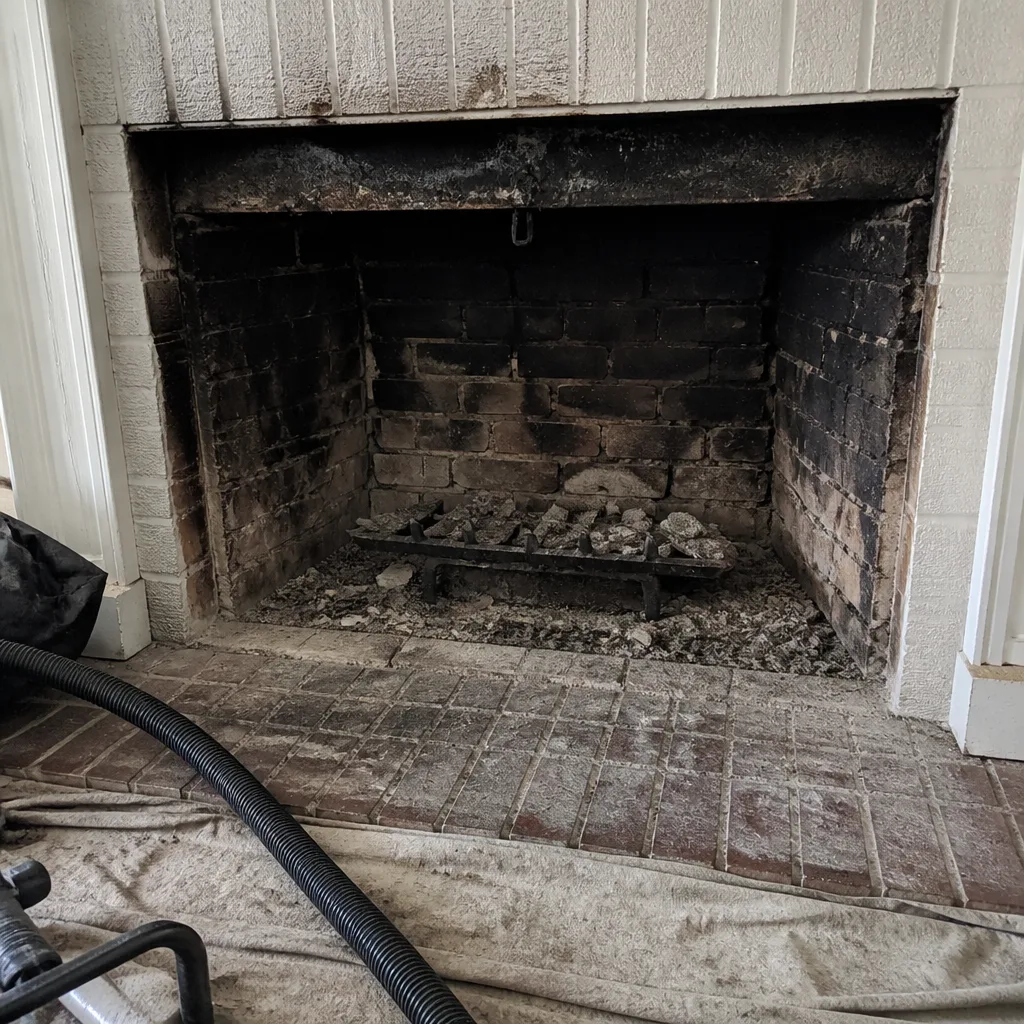
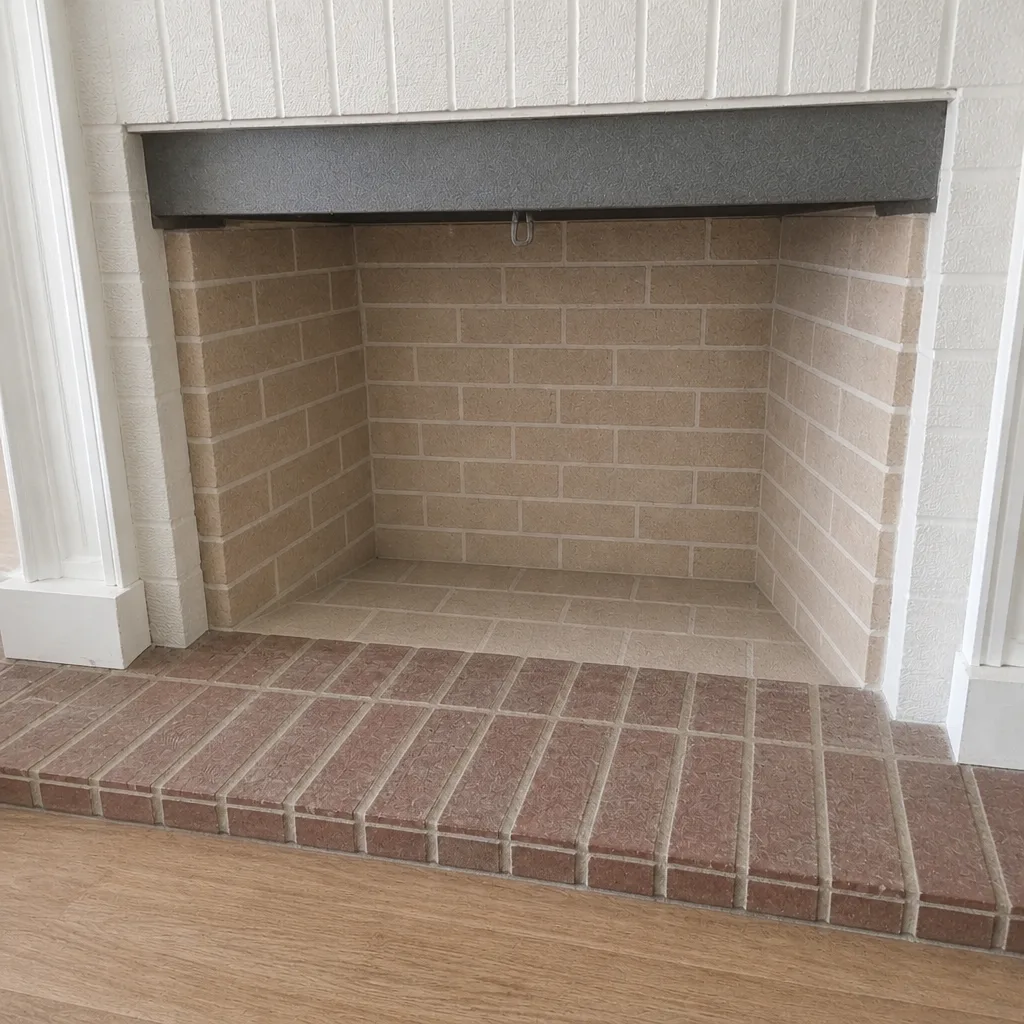
See the difference
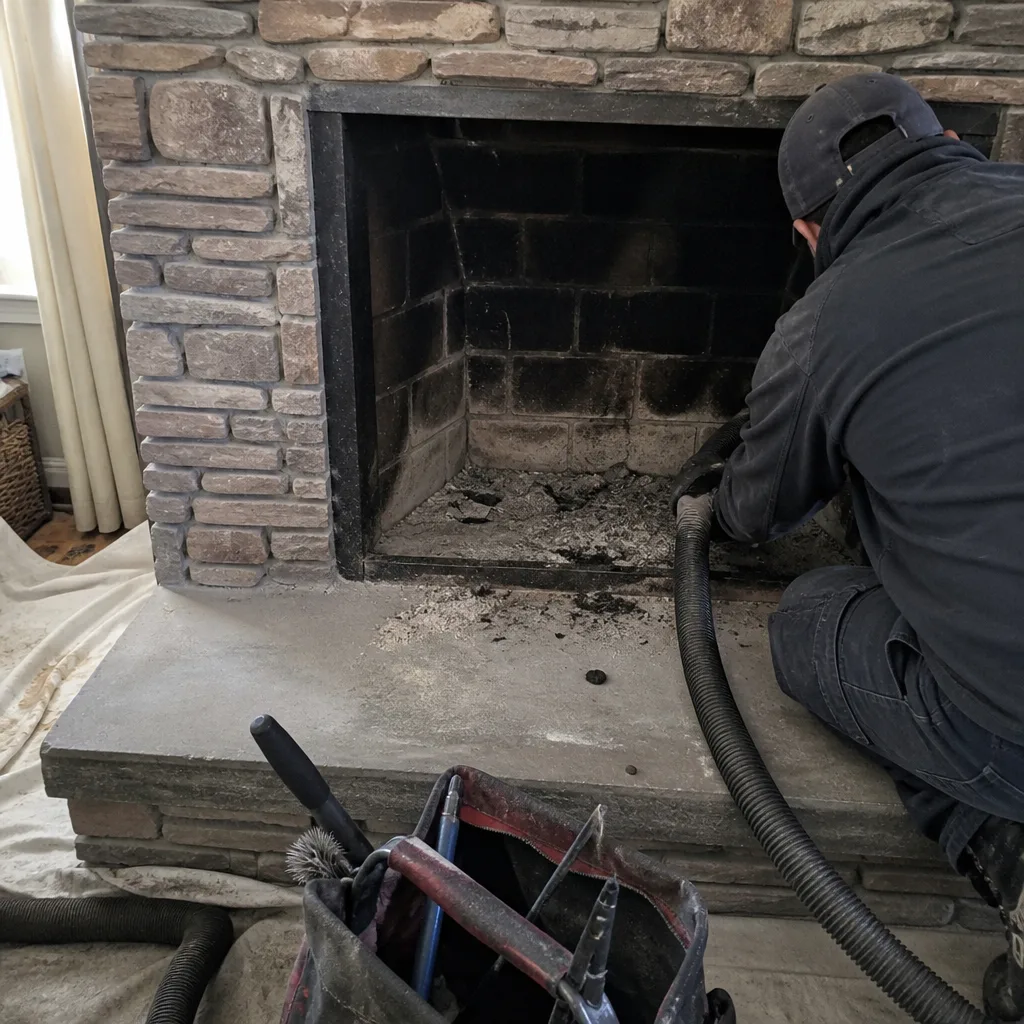 Before
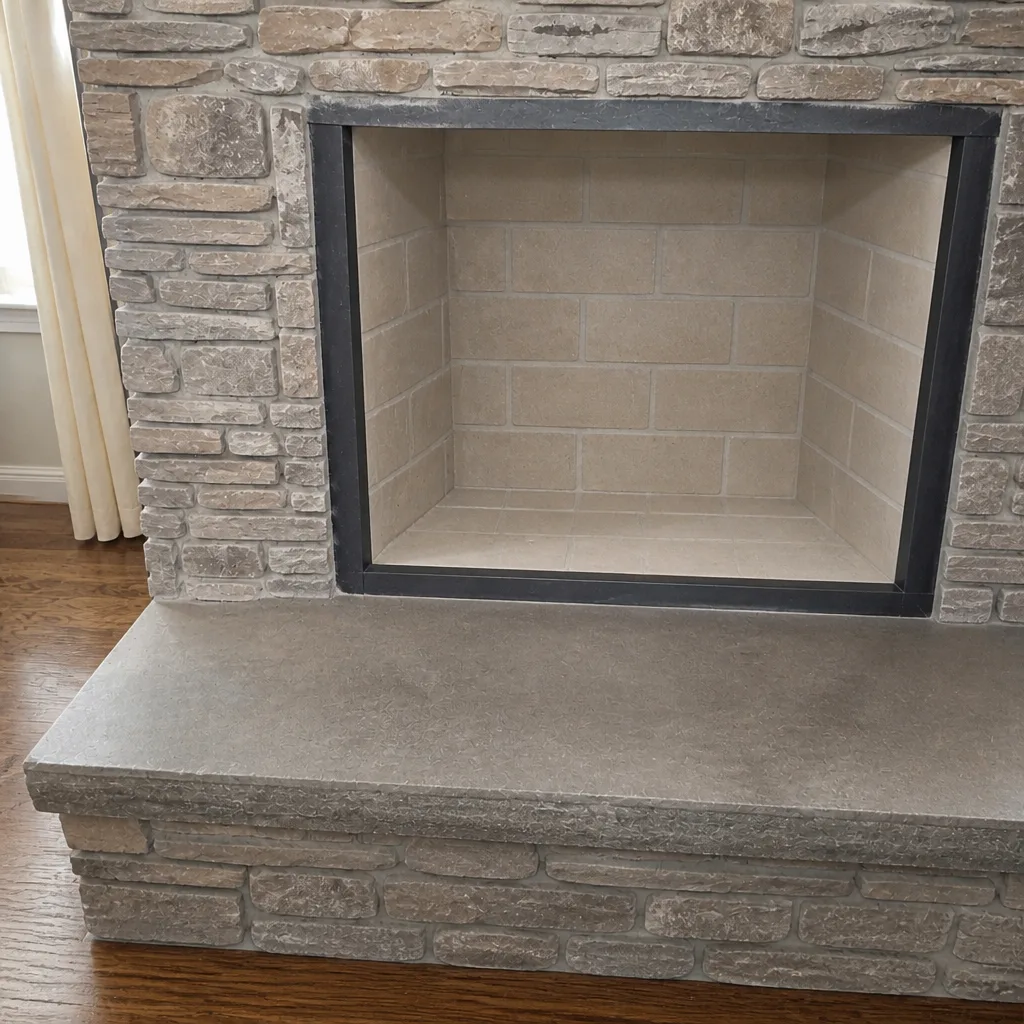 After
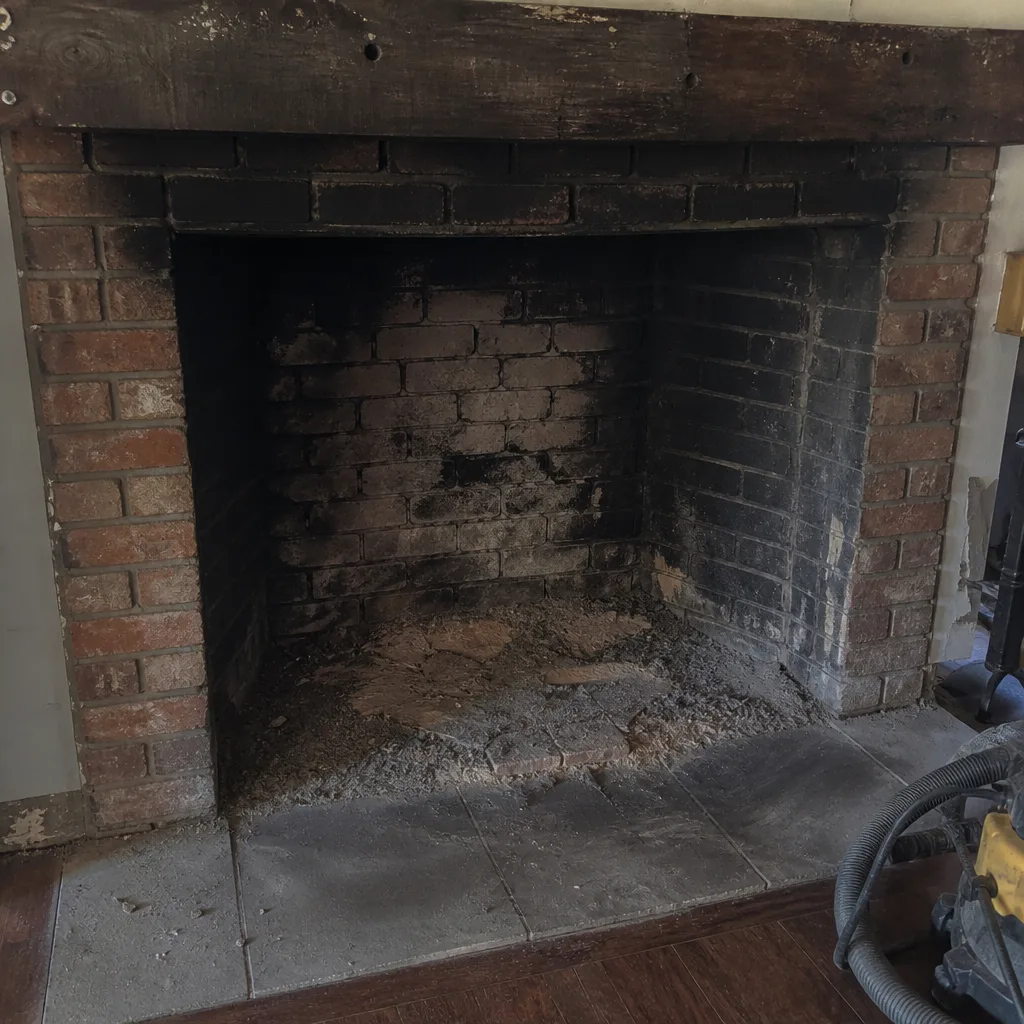 Before
 After
 Before
 After
When to Call a Professional
Some situations call for a professional without delay. If you’ve had a chimney fire, even a small one, the flue needs to be inspected with a camera before the next fire is lit. If smoke backs into the room when you burn, the draft is compromised, and the cause needs to be found. If you notice a strong, persistent odor from the fireplace in warmer months, that can signal creosote or moisture. If the damper or firebox shows cracks, or if the crown or cap is damaged, the chimney system needs attention. And if you’ve just bought a Pleasant Grove home with a fireplace, book a Level 2 inspection before your first fire so you know the condition of the flue and lining.
Pleasant Grove Chimney Sweep offers free estimates in Pleasant Grove. Call (833) 509-5365. We answer 24/7. Fast dispatch from 7am to 7pm, Sunday through Friday. Our technicians have up to 14 years of experience, and our inspection findings come with photos so you can see exactly what we see.
Frequently Asked Questions
A chimney cleaning in Pleasant Grove is a per-job price based on the chimney and the creosote condition, with standard fireplace cleanings lower than jobs that require chemical treatment for glazed creosote. The price is agreed before the work is booked, and the written estimate sets the final price. Call (833) 509-5365 for a free estimate.
Most Pleasant Grove homes with a wood-burning fireplace should be cleaned and inspected once a year, because the local climate accelerates creosote buildup. If you burn heavily or use unseasoned wood, or if it’s been more than a year, book the visit sooner. Call (833) 509-5365 to get on the schedule.
You only need a new liner if the inspection shows the existing lining is cracked, damaged, or otherwise unsound, and that determination should come from camera evidence. Some linings can be repaired with a HeatShield resurfacing instead of replaced, and some linings are fine and need nothing. Call (833) 509-5365 for an inspection you can see the results of.
Yes. A cleaning and inspection are generally booked together, and doing them at once is more efficient for you. If you’d rather have a standalone inspection first, you can book that on its own with no work required. Call (833) 509-5365 for an exact quote, and estimates are free.
Yes. A gas insert doesn’t produce the soot of a wood fire, but the flue and venting can still have blockages, and carbon monoxide risk is the reason to check. An annual inspection confirms the venting works, and it should be done even when the fireplace looks clean. Call (833) 509-5365 to schedule one.
Creosote keeps building, and a flue that doesn’t get cleaned can reach the glazed stage that brushes alone can’t remove and that carries genuine chimney fire risk. Skipping the inspection also means a hidden crack or blockage goes unnoticed. Call (833) 509-5365 to book a cleaning and inspection before the season.
The Bottom Line
Chimney cleaning in Pleasant Grove isn’t a one-size-fits-all service. The mountain valley cold, the wood-burning culture, and the elevation’s effect on how smoke cools all push creosote buildup faster than a generic checklist accounts for. The right approach is a full-system clean, an honest inspection at the level your home needs, and materials from the professional lines that hold up over the long term. You should leave every visit knowing the condition of your chimney system and what, if anything, needs attention. That’s the standard we hold to, from the firebox to the crown.
Call (833) 509-5365 for a free estimate. We answer 24/7. Fast dispatch from 7am to 7pm, Sunday through Friday.
Written by the team at Pleasant Grove Chimney Sweep.