
Last updated November 24, 2026
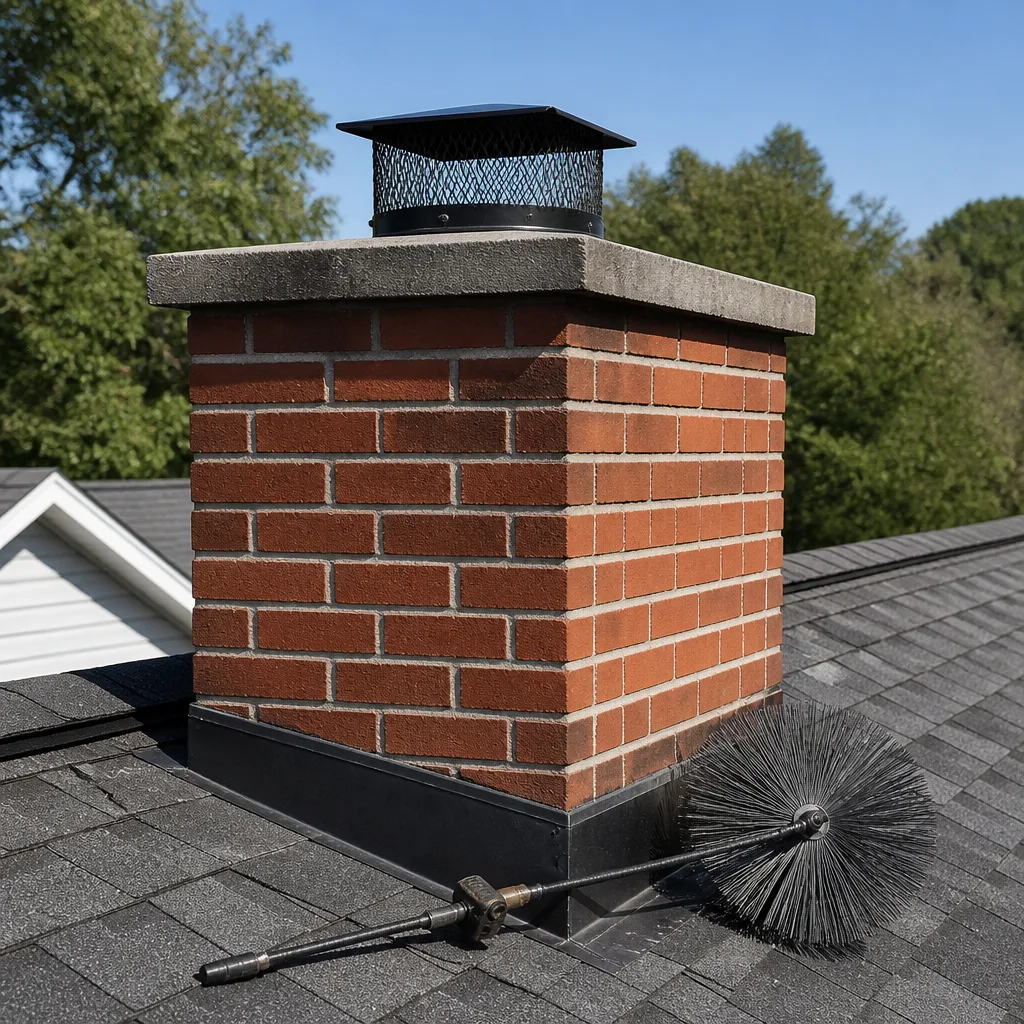 Sweep & inspection
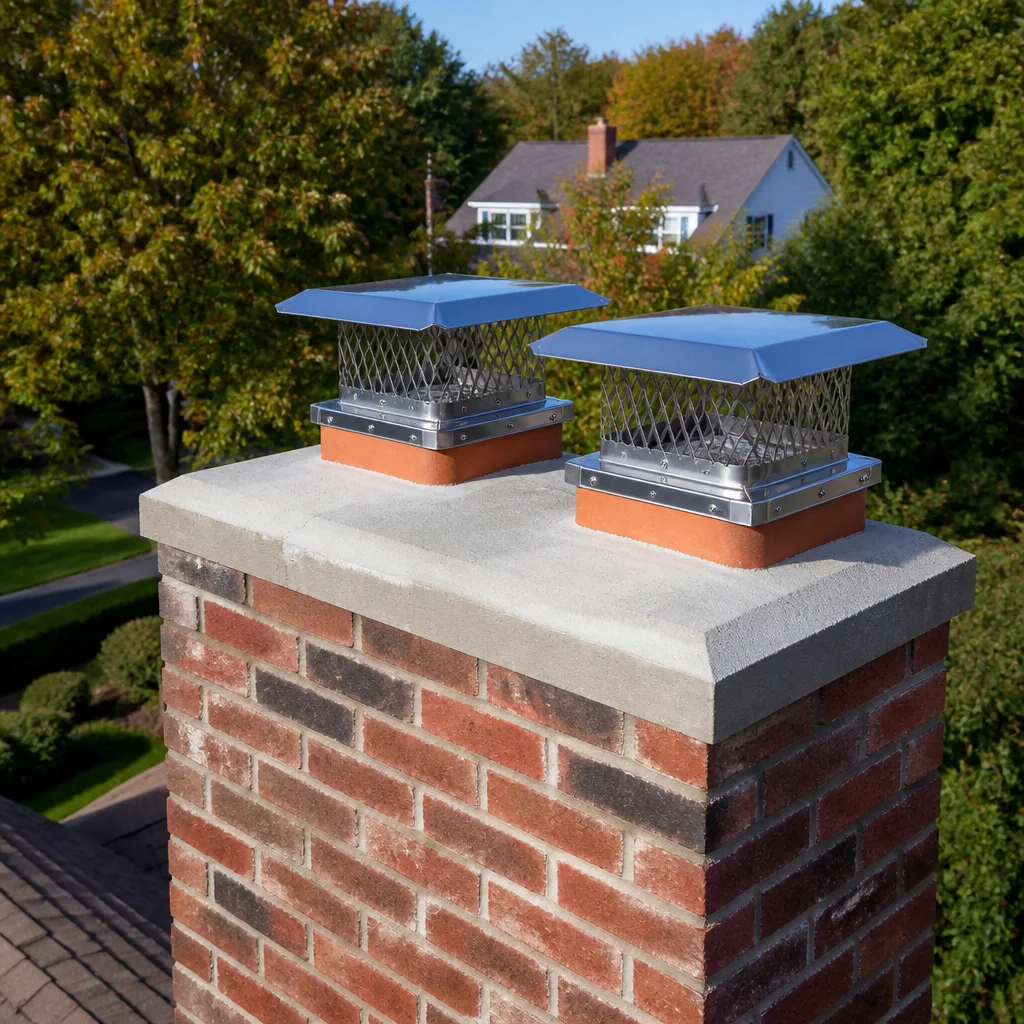 Caps & crowns
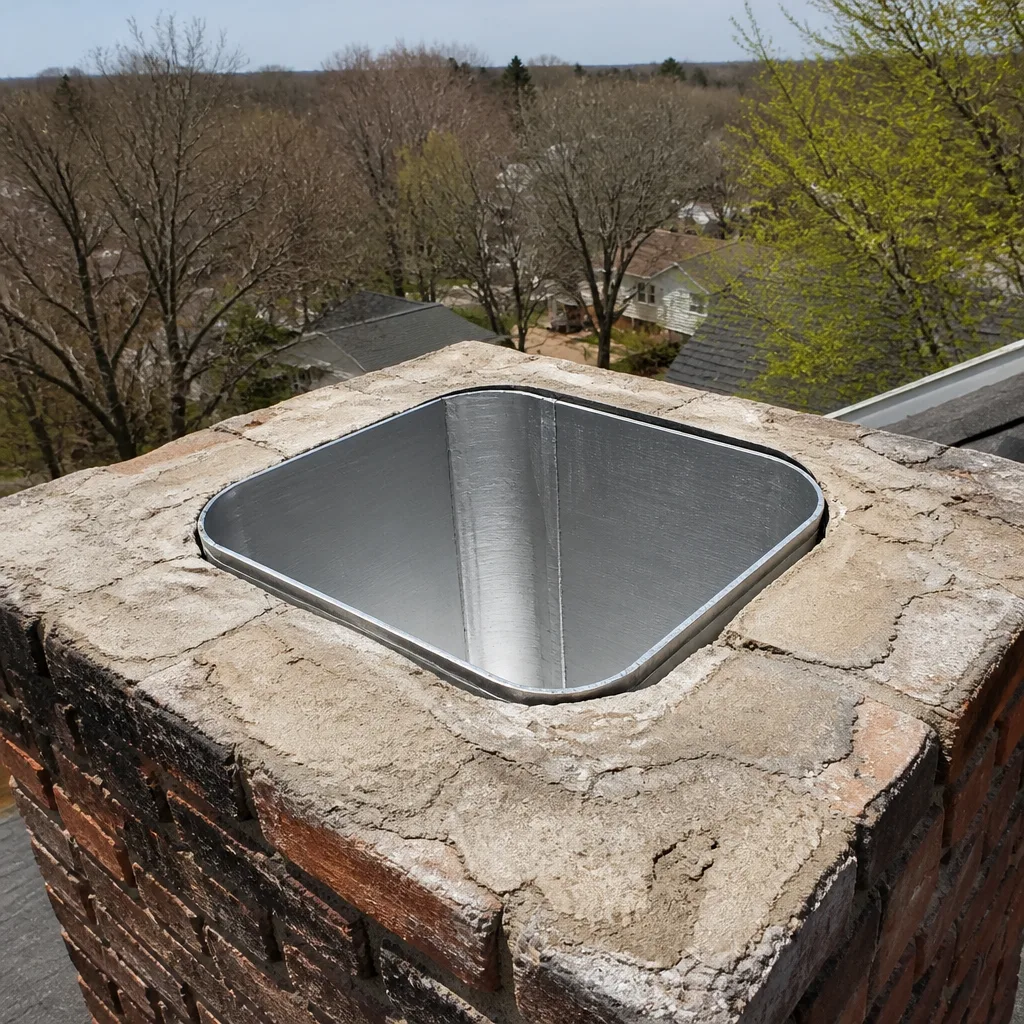 Flue relining
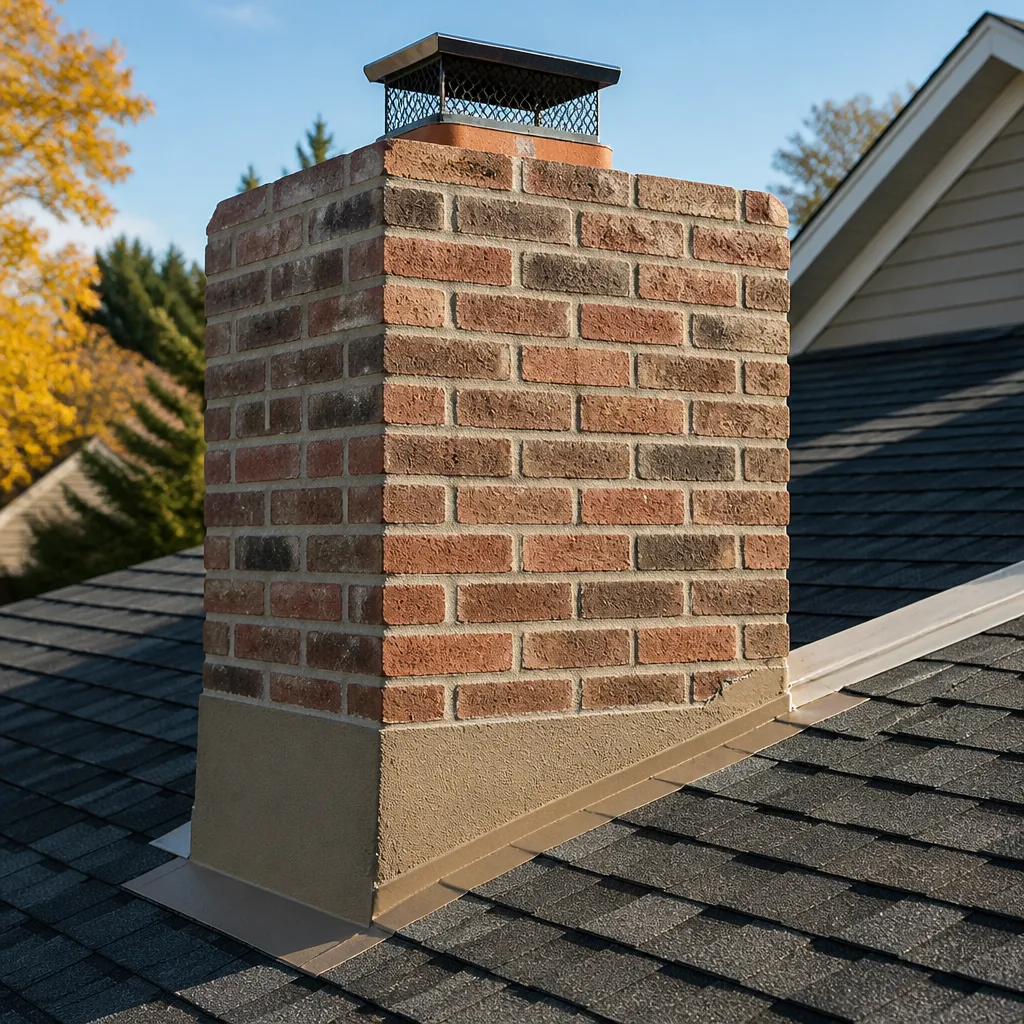 Masonry repair
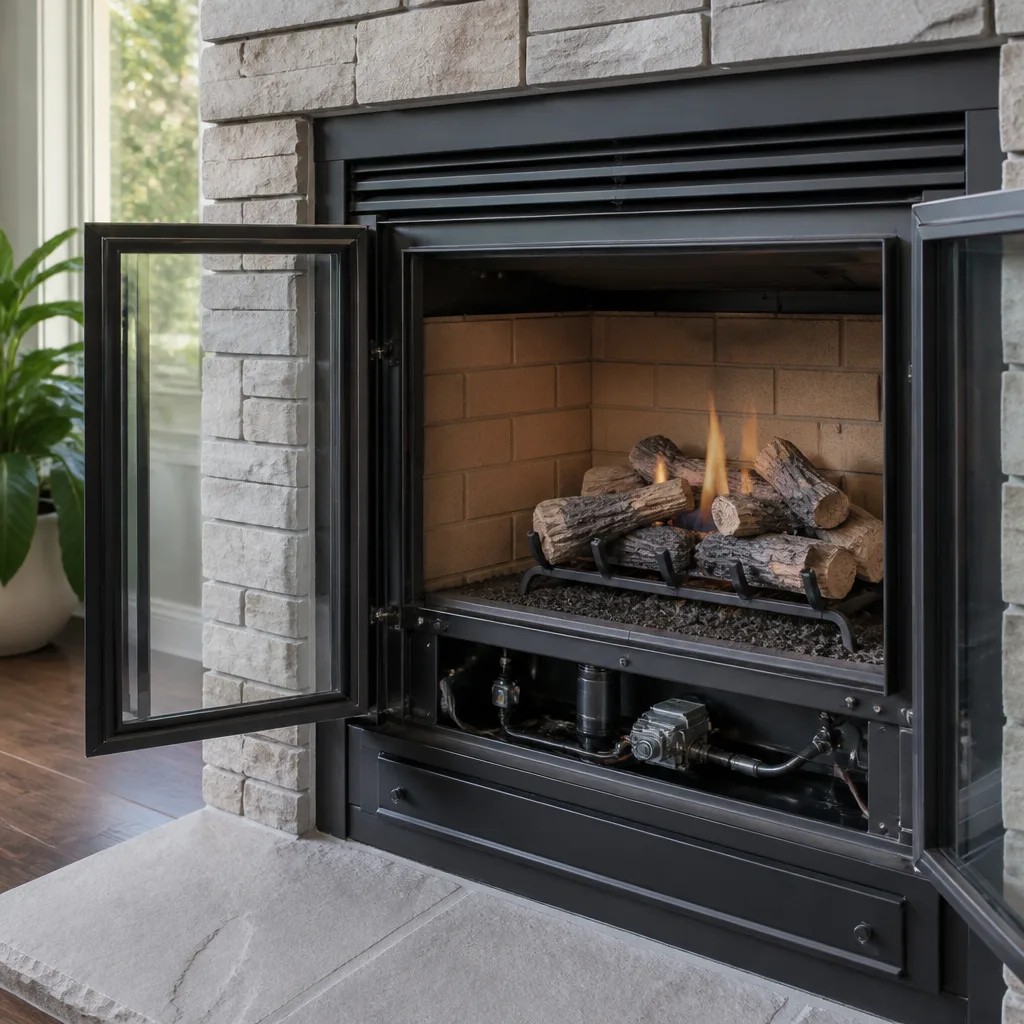 Gas fireplace service
Level 1 sweep and inspection to the NFPA 211 annual standard - flue, crown, cap, and flashing checked and photographed
Chimney sweep logs do not sweep chimneys. They loosen some creosote - which then falls where a brush and vacuum still have to collect it.
Seasonal Chimney Cleaning Care for Pleasant Grove: Year-Round Homeowner’s Guide
Most homeowners in Pleasant Grove treat the chimney like a furnace filter: one fall sweep, then forget it until next year. That habit misses when the real damage happens. Utah’s freeze-thaw cycle through late winter is what fractures mortar and opens cracks, and a chimney that looked fine in October can be quietly deteriorating by March. By the time you notice a draft or a stain in autumn, the problem’s had six months to grow. This guide walks through what your chimney system actually goes through in each of Pleasant Grove’s four seasons and the maintenance each one demands. You’ll finish with a year-round rhythm instead of a single annual checkbox.
Quick Answer
Chimney care in Pleasant Grove works best on a four-season rhythm: a post-winter inspection in spring to catch freeze-thaw damage, cap and crown checks in summer before the monsoon moisture and intense UV, a cleaning timed to the first fire in fall, and mid-season visual checks through winter. One annual sweep is not enough because each season stresses a different part of the chimney system. Year-round attention is what keeps a wood-burning fireplace or gas insert safe and functioning.
Styles & brands we work with
- Sweep & inspection
- Caps & crowns
- Flue relining
- Masonry repair
- Gas fireplace service
Table of Contents
- Spring: When Freeze-Thaw Damage Shows Up
- Summer: Caps, Crowns, and Dormant-Season Moisture
- Fall: Timing Your Pre-Season Cleaning Right
- Winter: Mid-Season Warning Signs
- Canyon Wind, Downdraft, and Your Cap
- Your Year-Round Chimney Calendar
- Why an Inspection Is the Baseline
- Common Mistakes to Avoid
Spring: When Freeze-Thaw Damage Shows Up
Spring is the most revealing season for a chimney in Pleasant Grove, and most homeowners don’t realize it. The freeze-thaw cycle that runs through February and March is what fractures masonry mortar. Water gets into hairline cracks in the crown or the brickwork, freezes overnight, expands, then thaws. Each cycle widens the crack a little more. By April, the damage is real and visible, but the fireplace is out of use and the chimney gets ignored until fall.
A post-season inspection in spring catches what winter left behind. Here’s what we look for specifically:
- Spalling brick faces. When moisture freezes inside a brick, the face flakes or pops off. You’ll see rough, pitted brick on the chimney exterior.
- Cracked or crumbling crown. The concrete cap at the top of the chimney takes the worst of the freeze-thaw. Hairline cracks in fall become chunks missing by spring.
- Loose or missing mortar joints. Repointing may be needed where the mortar has eroded between courses.
- Flue tile cracks. Clay flue tiles can crack after a hard winter. These cracks are often invisible from the ground and require a camera inspection to confirm.
- Damper rust or sticking. Moisture intrusion over winter can leave the damper hard to operate by spring.
The important point: a spring inspection gives you the full summer to schedule repairs before the burning season. If a cracked crown or a failed flue tile waits until October, you’re either burning with a hazard or facing an urgent repair you can’t schedule on your terms. If the inspection shows nothing more than routine wear, you’ve confirmed that and can move on. An inspection is a standalone service, so there’s no pressure to book work you don’t need.
Our technicians have up to 14 years of experience reading the specific patterns that Utah freeze-thaw leaves on Pleasant Grove chimneys. What looks like cosmetic surface wear to a homeowner is often the early stage of a repair that will cost more if it sits. We give you an honest read either way.
Summer: Caps, Crowns, and Dormant-Season Moisture
Utah summers are hot, dry, and UV-intense, which makes them the worst time to have a compromised chimney cap or crown. The fireplace sits dormant, so nothing on the interior tells you there’s a problem. Meanwhile, summer afternoon storms roll through and water gets into places it shouldn’t. On a chimney, the two most common points of water intrusion are the cap and the crown. Address both in summer and you prevent the damage that would otherwise show up as a rusted damper, a stained ceiling, or a deteriorated firebox by fall.
Here’s what we recommend checking each summer:
- Inspect the chimney cap. A cap with a rusted mesh, a warped top, or a loose fit lets water and animals in. A cap in good shape keeps rain, snow, and birds out and stops debris from blocking the flue.
- Check the crown for cracks. The crown is the concrete slab that slopes away from the flue at the top. Over time it cracks. Crown sealant applied in summer, before the freeze cycle starts, is what keeps those cracks from becoming a winter problem.
- Look at the flashing. Where the chimney meets the roof, the flashing and counter-flashing direct water away. A lifted or rusted edge is a slow leak waiting to show up as a ceiling stain months later.
- Check for animal activity. Birds, squirrels, and raccoons look for chimney openings in summer. A properly fitted cap from Copperfield or Famco closes that opening and keeps the flue clear.
- Test the damper. A damper that sticks in summer will be worse in winter. Lubrication or adjustment now prevents an unusable fireplace later.
UV exposure matters here too. A standard asphalt cap or a cheap plastic cap will degrade faster in Utah’s summer sun than in milder climates. That’s why we install caps from professional-trade brands like Copperfield and Famco rather than big-box hardware-store substitutes that crack within a season or two. The material is what determines how long the cap holds.
Cap and crown work is the kind of prevention-focused repair that keeps a Pleasant Grove chimney from needing bigger structural fixes down the road. And a cap installed in summer means one fewer thing to worry about when the first cold snap hits.
Fall: Timing Your Pre-Season Cleaning Right
Fall is when most people think about chimney cleaning, and they’re right to. But the timing matters more than most homeowners realize. The instinct is to book a chimney sweep in September, before the first fire. For low-use households, that’s fine. But for high-usage homes in Pleasant Grove, a September sweep can leave a layer of creosote buildup by mid-December, with half the burning season still ahead.
Here’s how to think about the timing:
- Light use (a few fires a month): A September or early October sweep is fine. You’ll likely burn through the season without needing another.
- Moderate use (weekends through winter): Schedule the sweep in October, closer to the first sustained cold.
- Heavy use (fires several times a week or daily): Wait until late October or early November for the pre-season sweep. Then plan on a mid-season check or a second sweep in January or February.
Creosote is the concern. A natural byproduct of wood combustion, it builds up inside the flue and comes in three forms: a light, flaky dust that brushes off easily; a hardened, crusty layer that takes more work; and a glazed, tar-like coating that requires chemical treatment or replacement. The heavier the use, the faster creosote accumulates to the point where it needs to be removed.
Fall is also the right time to confirm the firebox and damper are in working order before the first fire. If the firebox has cracked brick or deteriorated mortar, fall catches it before you light up. A fireplace repair scheduled in October is much easier to arrange than the same repair in December. If a flue tile is damaged, the inspection that comes with the sweep will flag it – and that’s information you need before, not after, a fire.
Winter: Mid-Season Warning Signs
Winter is the season when chimney problems show up as symptoms rather than visible damage. The fireplace is in use, and a functioning chimney can mask a developing issue until it becomes urgent. Here are the warning signs to watch for – not to panic about, but to act on:
- Smoke rolling back into the room. Some smoke spill on a cold start is normal. Persistent smoke entering the room during a sustained fire means the draft is compromised, the flue is partially blocked, or the cap has an issue.
- A stronger-than-usual smell. A smoky, acrid smell that’s stronger than normal could mean a chimney fire has occurred and damaged the flue, or that creosote has built up to a level that needs immediate attention.
- Popping, clicking, or a low roar from the chimney. These are signs of a chimney fire. A chimney fire can be quiet and go unnoticed, or it can be loud. Either way, it’s a reason to stop using the fireplace and get a professional inspection.
- Carbon monoxide alarms. If a CO alarm goes off while the fireplace is in use, open windows, leave the home, and call for help. A blocked or cracked flue can let carbon monoxide back into the living space.
- Stains or discoloration on the ceiling or walls near the chimney. A water stain in January that wasn’t there in November points to a leak that got worse in a storm.
- Loose brick or crumbling mortar visible in the firebox. Don’t keep burning. A firebox with structural damage is a hazard.
If any of these show up mid-season, call for an inspection before the next fire. A winter inspection can catch and diagnose the problem – whether it’s a creosote buildup, a damaged flue, or a failing cap – even while the fireplace is in use the rest of the season. If the inspection shows the chimney is safe to keep using, you get the confirmation you need. If it shows a problem that shouldn’t wait, you’ll know before you light up again.
Canyon Wind, Downdraft, and Your Cap
Pleasant Grove sits against the mountains, and the canyon wind patterns here create chimney conditions that a flatland homeowner doesn’t deal with. When wind blows across the top of a chimney, it creates pressure differences that affect how the flue exhausts. Canyon wind makes that pressure less predictable. In practical terms, that means more downdraft, more smoke spill into the room, and a greater need for a properly designed cap.
Here’s what the wind issue means for your chimney:
- Downdraft and smoke spill. If you’ve noticed the fireplace smokes when the wind picks up, that’s the canyon wind pattern pushing air back down the flue. A cap designed for wind resistance helps, but a cap that’s too restrictive or the wrong shape makes it worse.
- Cap selection matters. A flat-top cap with a wide mesh holds up better to canyon wind than a cheaply built cap with low mesh sides. The cap’s design determines how well it protects against wind-driven rain and how much it interferes with draft. We specify caps from Olympic Chimney and Copperfield lines for this reason.
- Damper maintenance. A damper that’s warped, rusted, or doesn’t fully close lets cold canyon air in when the fireplace isn’t in use. It also affects draft when the fireplace is operating. Seasonal damper checks – open, close, feel for resistance, look for warping – are part of the year-round rhythm for a Pleasant Grove home.
- Cap height and fit. A cap that sits too low or is incorrectly fitted changes how the chimney exhausts. The inspection catches this.
If your fireplace smokes only when the wind is strong, the problem may be the cap or the damper – not the flue itself. A camera inspection with a photo report shows exactly what’s happening. From there, the fix is often a cap replacement or a damper adjustment rather than a major repair. Getting an honest read on that is why we offer inspections as a standalone service.
Your Year-Round Chimney Calendar
Here’s the annual rhythm we recommend for a Pleasant Grove chimney. This is not a maintenance plan you buy – it’s just a way to think about timing across the year:
- March or April (post-winter): Schedule an inspection after the freeze-thaw cycle ends. Look for cracked crown, spalling brick, loose mortar, and any visible damage from winter. Any chimney repair found here can be scheduled well before fall.
- May or June (early summer): Have the cap and crown checked. Apply crown sealant if cracks are present. Confirm flashing and the cap are in good shape before the summer storm season.
- July (mid-summer): A mid-summer look at caps, mesh, and animal activity. If the cap shows rust or damage, replace it now rather than at the last minute before winter.
- Late October or early November: Schedule the pre-season sweep, timed to when you’ll actually start using the fireplace. For high-usage homes, this late-fall timing is what keeps creosote from building up too heavily mid-season.
- January or February (mid-season): A visual check or a second sweep if usage is heavy. Watch for warning signs between now and spring.
- Ongoing: Damper checks, smoke spill, draft issues, and any unusual smells are worth calling about rather than waiting for the next scheduled visit.
The key to this rhythm is that each step is a separate, standalone service. You’re not committing to a plan; you’re scheduling the right service at the right time. Some years you may only need the fall sweep and a spring inspection. Other years, the checklist reveals a repair that needs attention. The point is to look at each season’s specific stress on your system instead of relying on one annual event to cover everything.
We’ve worked on a full range of chimney systems in Pleasant Grove, from older masonry chimneys to newer gas-insert setups, and the seasonal rhythm holds for all of them. A gas insert doesn’t have creosote buildup the way a wood-burning fireplace does, but it still has a cap, a crown, a flashing, and a damper that need the same seasonal attention. And it still has carbon monoxide risk if the venting is compromised.
Why an Inspection Is the Baseline
A chimney inspection answers the question that matters most to a homeowner: what condition is my chimney actually in? It’s a safety baseline, not an upsell. An inspection involves a visual review of the accessible parts of the chimney system, and when needed a camera inspection of the flue. The photo report shows you what it found, so you’re not relying on a verbal description.
Here’s what an inspection covers:
- The firebox and damper. Checking for cracks, deteriorated mortar, and whether the damper operates correctly.
- The flue. A camera scan for cracks in the flue tiles, creosote buildup, and any blockages.
- The cap and crown. Looking for cracks, rust, animal activity, and how well the cap is protecting the flue.
- The flashing. Checking where the chimney meets the roof for signs of water intrusion.
- The exterior masonry. Spalling brick, cracked mortar, and any signs of structural wear.
An inspection doesn’t require a cleaning or any repair work. You can book an inspection, see the photo report, and decide from there what – if anything – needs attention. If the report shows the chimney is in good shape, that’s your answer. If it shows a repair is needed, you’ll know exactly what it is and what it costs before you commit to anything. That transparency is the point.
For liner issues, we use HeatShield, a professional chimney resurfacing system. HeatShield is a liner repair solution that resurfacing contractors and certified chimney specialists use; it’s not something available to DIYers or generalists. When a HeatShield resurfacing is appropriate, it can restore a liner without a full rebuild. When it isn’t, we’ll say so. For full liner replacement, we install DuraFlex liner systems.
If your question is whether you need major work, the answer starts with an inspection and a photo report you can review for yourself. That’s how you know the difference between a repair that’s genuinely needed now and one that can safely wait until spring.
Common Mistakes to Avoid
- Waiting until fall to inspect after a Utah winter. Freeze-thaw damage from February and March is best caught in spring, not October. By fall, you’ve lost the chance to schedule repairs on your own timeline.
- Sweeping too early in September for a high-use home. If you burn several times a week, a September sweep means creosote can build up by mid-season. Timing the pre-season sweep closer to the first fire is better for heavy users.
- Ignoring the cap because the fireplace seems fine. A compromised cap lets water and animals in while the firebox sits dormant. The fireplace won’t show a problem until it’s already done damage.
- Treating a January smoke spill as normal. Some spill on a cold start is fine, but persistent smoke in the room mid-season is a draft or blockage signal worth a call.
- Assuming a gas insert doesn’t need seasonal care. A gas insert still has a cap, a crown, a flashing, and venting. Carbon monoxide risk exists with gas.
- Letting a cracked crown go unsealed through summer. UV and summer storms worsen cracks that a summer crown sealant would have addressed before the freeze cycle.
- Skipping the damper check. A stuck or warped damper affects draft year-round. Checking it in summer and fall is part of the seasonal routine.
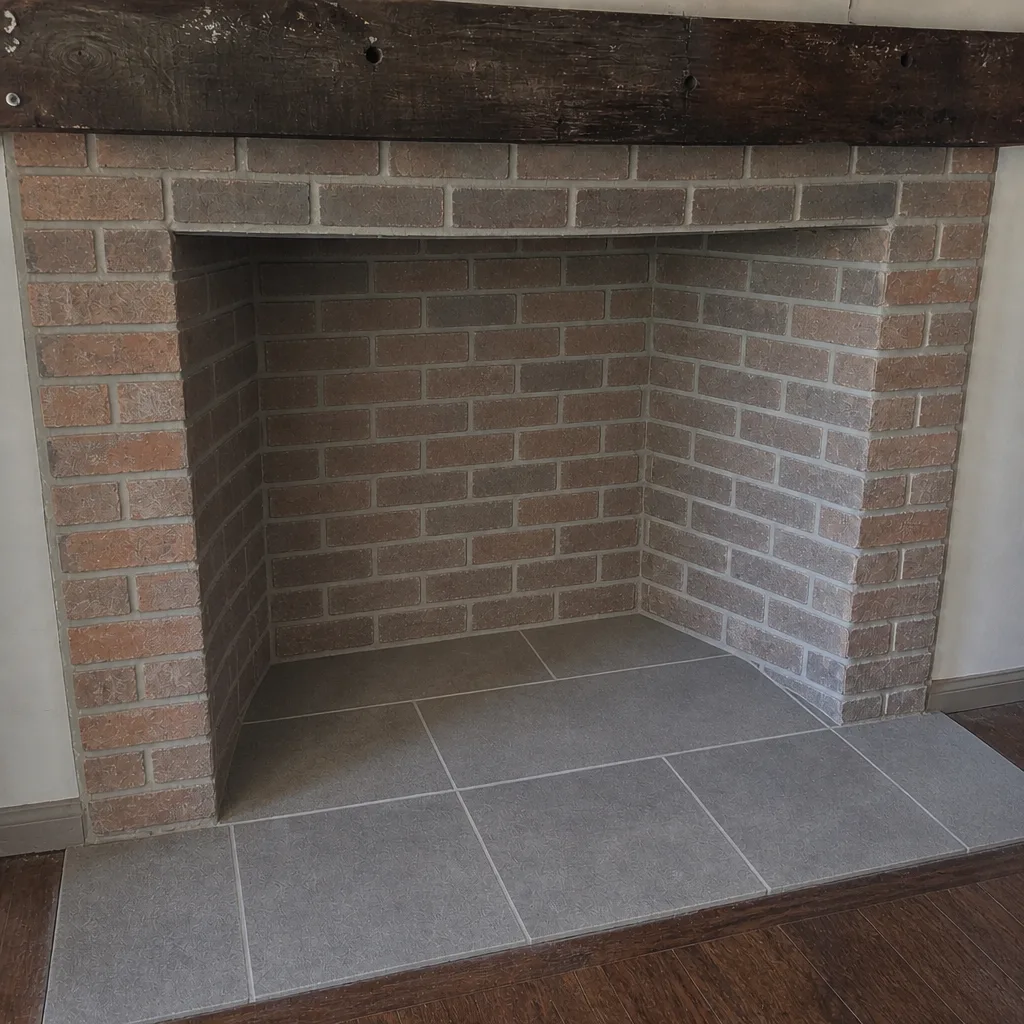
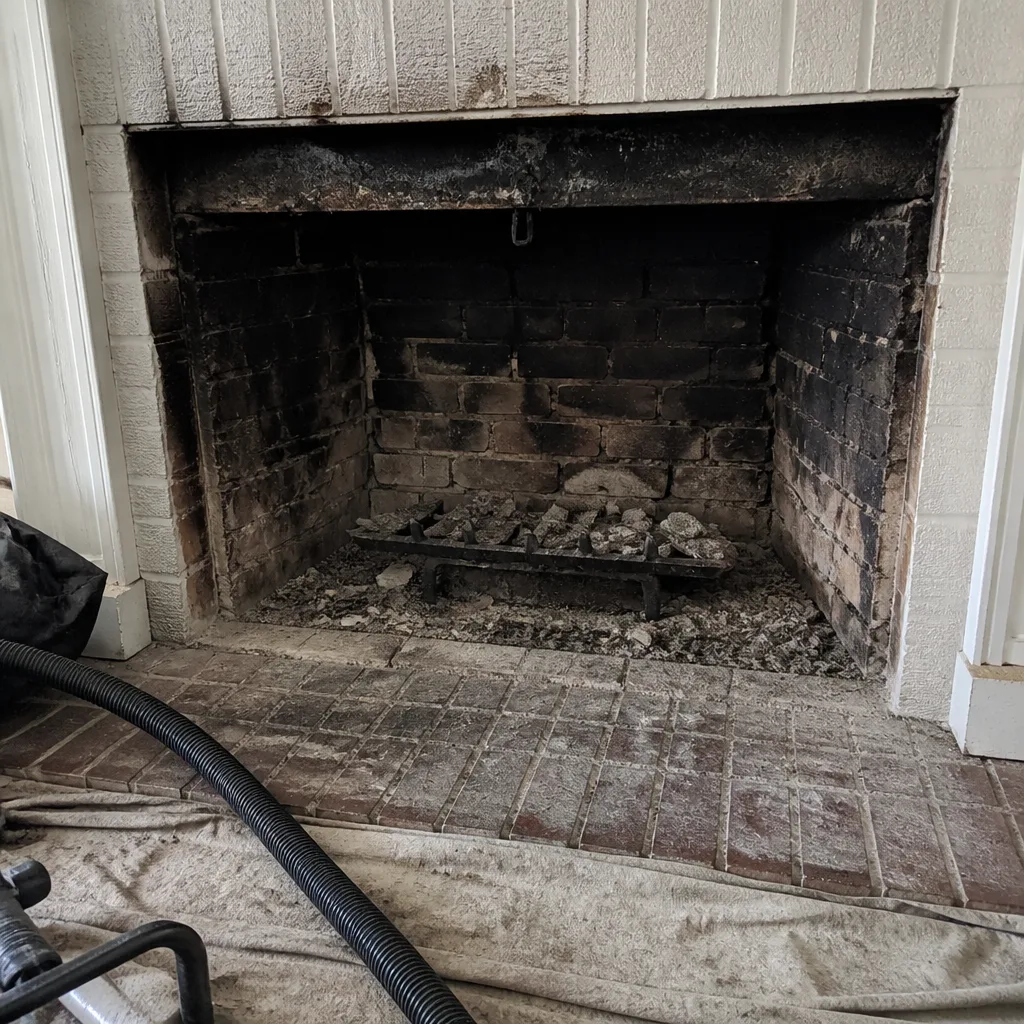
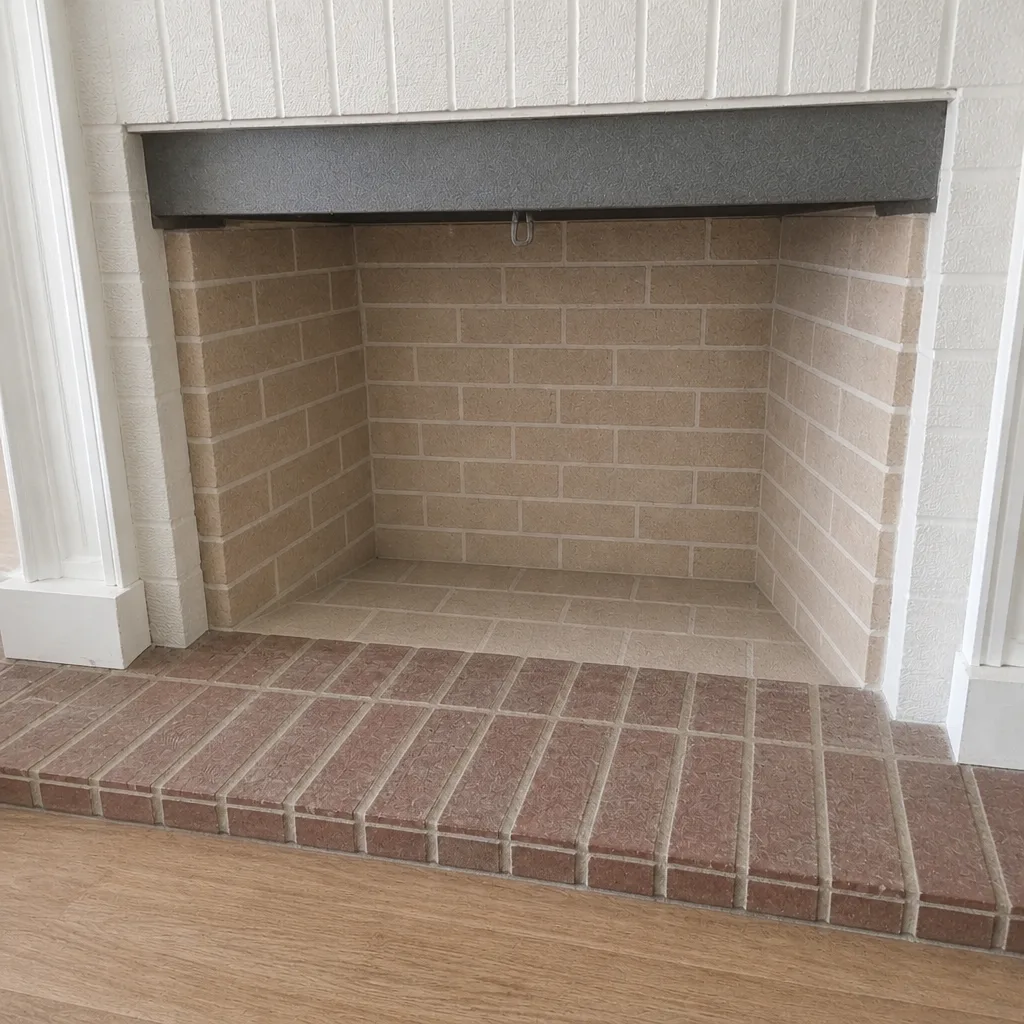
See the difference
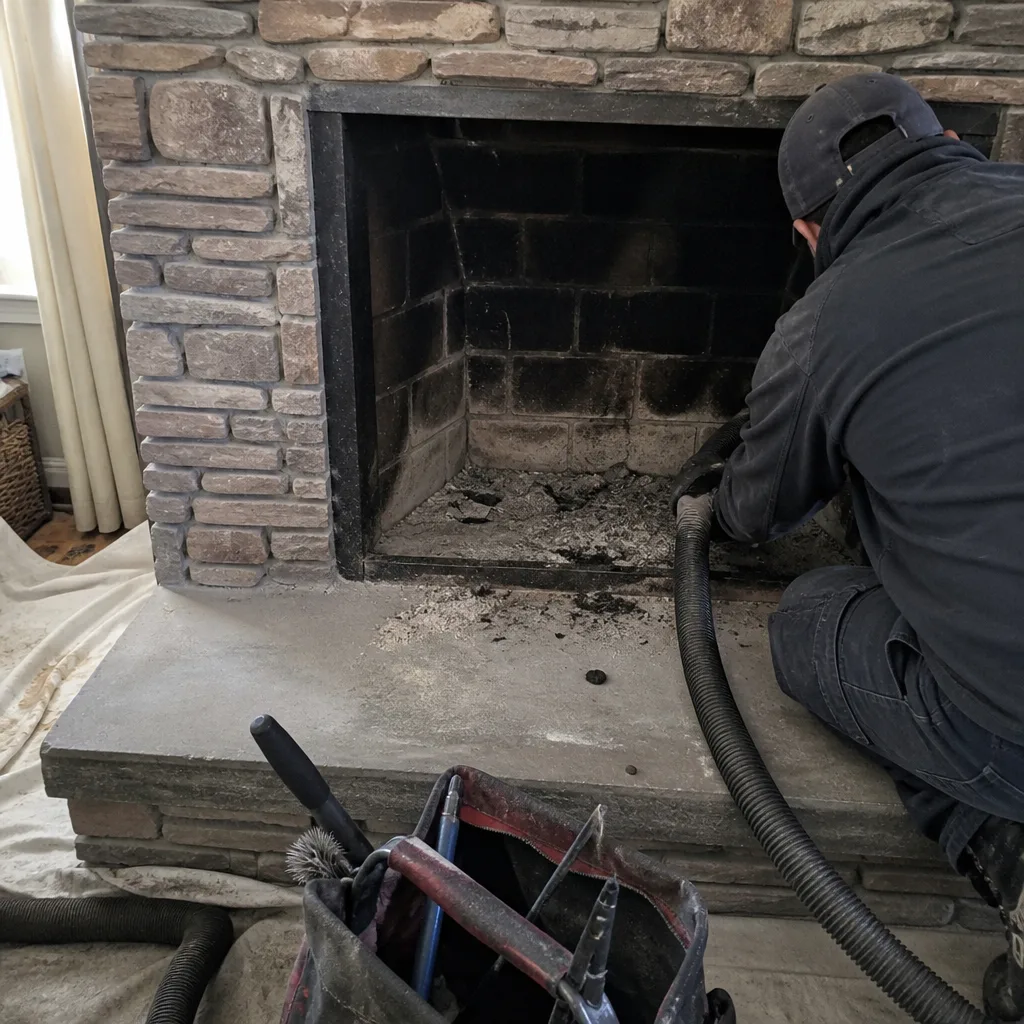 Before
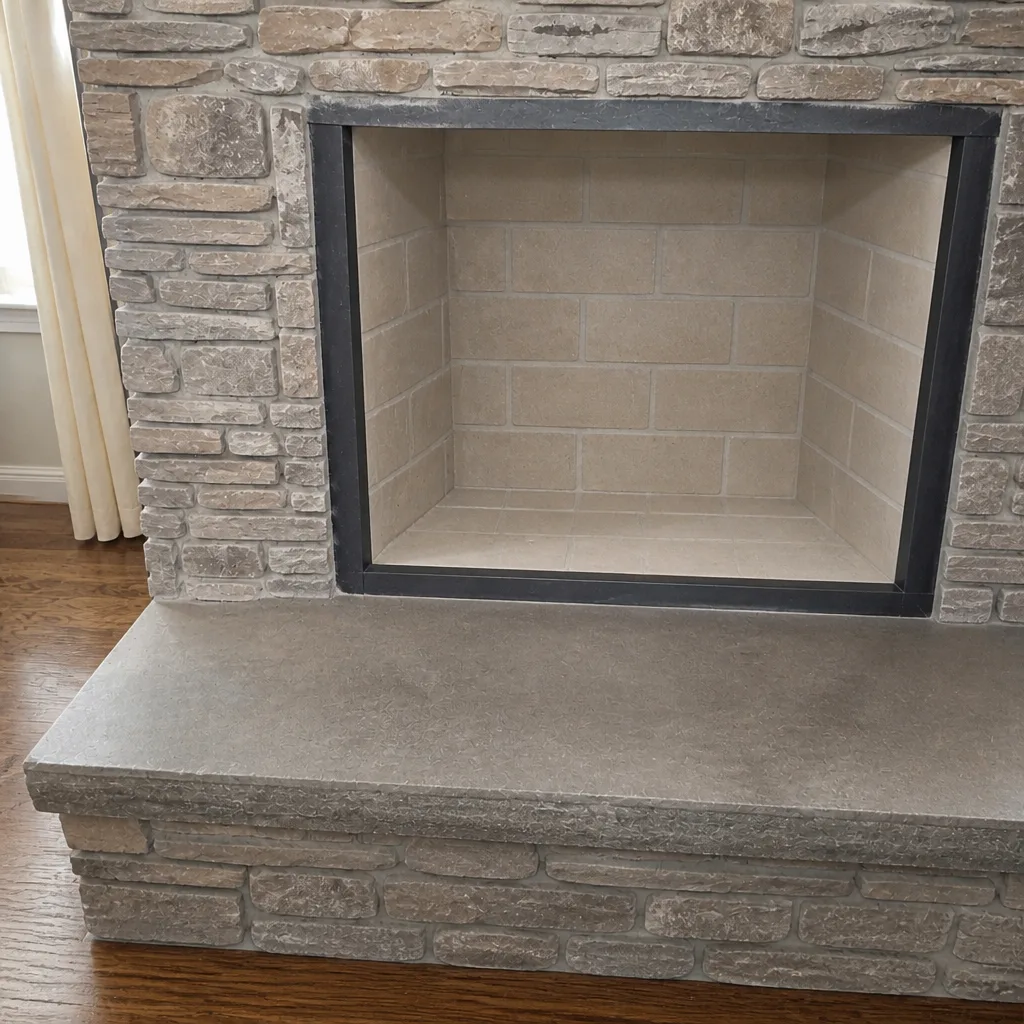 After
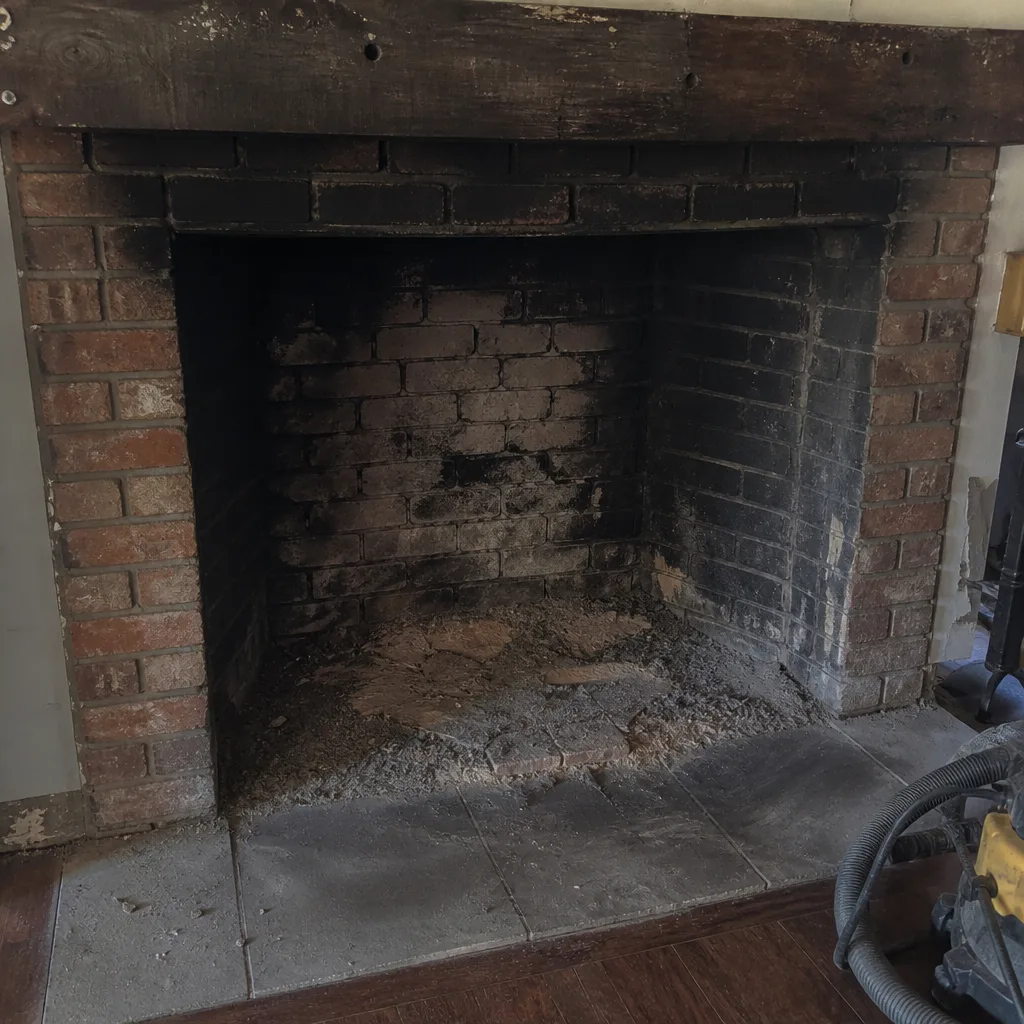 Before
 After
 Before
 After
When to Call a Professional
Some things a homeowner can check visually: smoke spill, the damper’s operation, visible cap damage from the ground. But some things need a trained professional and a camera. Call for an inspection if you see cracked brick or mortar on the exterior, a damaged crown, water stains on walls or the ceiling near the chimney, or a cap that’s rusted or loose. Call immediately if a CO alarm goes off while the fireplace is in use, if you hear popping or roaring from the chimney, or if there’s a persistent strong smell that doesn’t clear. If your fireplace is smoking when the canyon wind picks up, that’s worth an inspection too. Pleasant Grove Chimney Sweep offers free estimates in Pleasant Grove – call (833) 509-5365. We answer 24/7. Fast dispatch from 7am to 7pm, Sunday through Friday. The local professional is licensed and insured as their state requires.
Frequently Asked Questions
Most Pleasant Grove chimneys need sweeping once a year, but high-use wood-burning homes often need a second sweep mid-season. Creosote builds up faster with heavy use, so a home that burns several fires a week through winter should plan on a check or another sweep in January or February. Call (833) 509-5365 to book a sweep timed to your usage.
Spring is the best time because the freeze-thaw cycle of February and March is what causes most chimney damage, and the damage is visible by April. An inspection in spring catches cracked crowns, spalling brick, and damaged flue tiles while you still have months to schedule repairs before fall. Waiting until fall means you’ve lost that window.
Persistent smoke entering the room, a strong acrid smell, popping or roaring from the chimney, a carbon monoxide alarm, water stains near the chimney, or crumbling mortar in the firebox all mean stop using the fireplace and call for an inspection. Some smoke on a cold start is normal; the signs above are not. Call (833) 509-5365 for a mid-season inspection.
Yes. Summer is when the fireplace is dormant, so a compromised cap can let water and animals into the flue without any smoke or draft signal to alert you. Utah’s UV-intense summers also degrade cheap caps quickly. A properly fitted cap from a professional-trade brand holds up better and keeps the flue protected while the fireplace sits unused.
Only a professional inspection with a camera and photo report can tell you. What matters is that nothing gets recommended without evidence you can see for yourself. If the inspection shows the flue is intact, you may need nothing more than routine cleaning. If it shows damage, the report will show it, and you’ll know what the repair is and whether it can safely wait. Call (833) 509-5365 to book an inspection.
Skipping care for a year means creosote build-up, potentially a cracked crown or damaged flue, and a chimney that’s less safe to use the following season. The exact risk depends on the condition of your chimney, but a fall sweep that reveals heavy creosote or a cracked flue tile is the kind of problem that’s easier to address before it gets worse. An annual inspection is the simplest way to keep tabs on it.
The Bottom Line
Year-round chimney care in Pleasant Grove is a rhythm, not a checklist item. The spring inspection catches what winter’s freeze-thaw left behind. Summer cap and crown work protects a dormant chimney from moisture and UV. Fall is for a cleaning timed to when you actually start burning. Winter is when you watch for warning signs, not ignore them. The point is to know the condition of your chimney system before you need to use it – from the firebox to the crown – and to catch problems while they’re small. That’s the difference between a book-now-or-ignore-until-you-smell-smoke approach and one that actually keeps a chimney healthy.
If your seasonal inspection shows a repair is needed, you’ll get a photo report and an honest recommendation – including when work can safely wait. Pleasant Grove Chimney Sweep offers sweeping, inspection, fireplace repair, chimney repair, and cap and crown work in Pleasant Grove. Call (833) 509-5365 for a free estimate. We answer 24/7. Fast dispatch from 7am to 7pm, Sunday through Friday.
Written by the team at Pleasant Grove Chimney Sweep.