
Last updated November 24, 2026
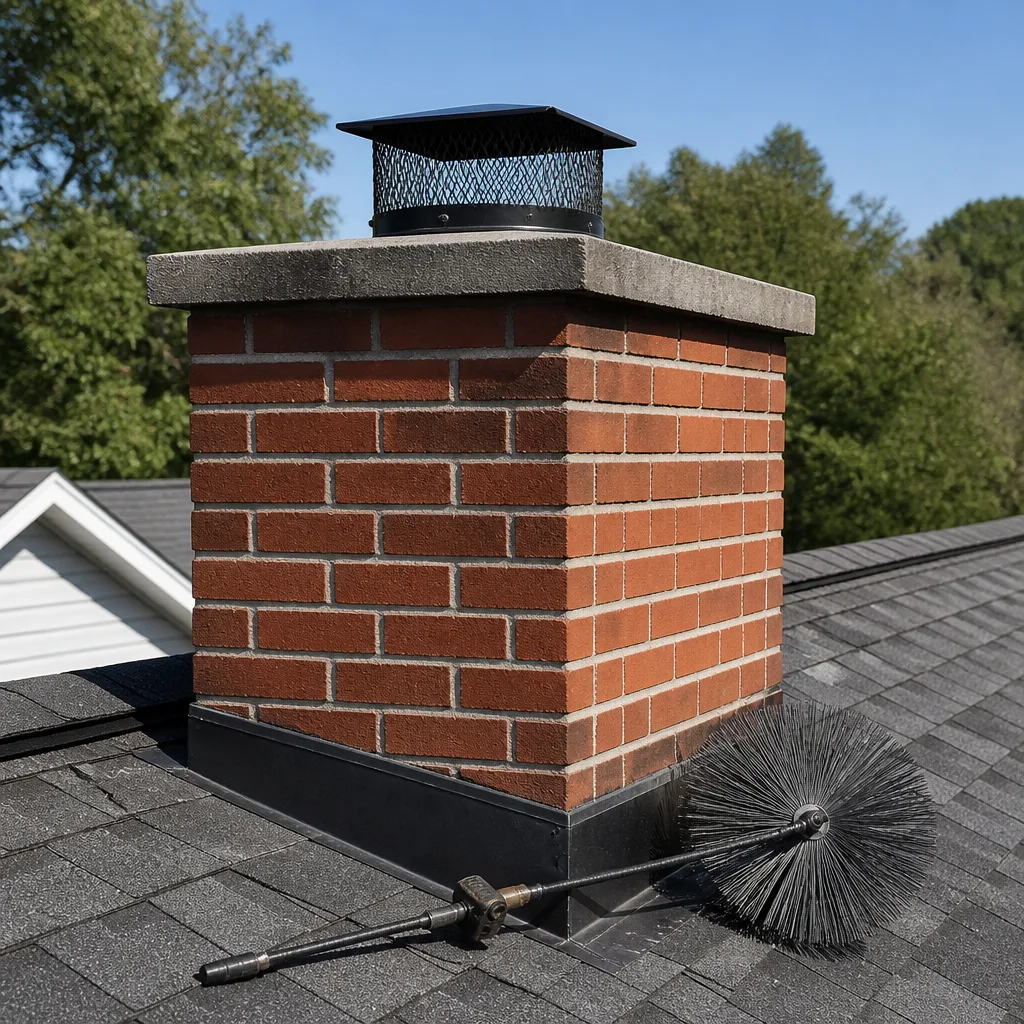 Sweep & inspection
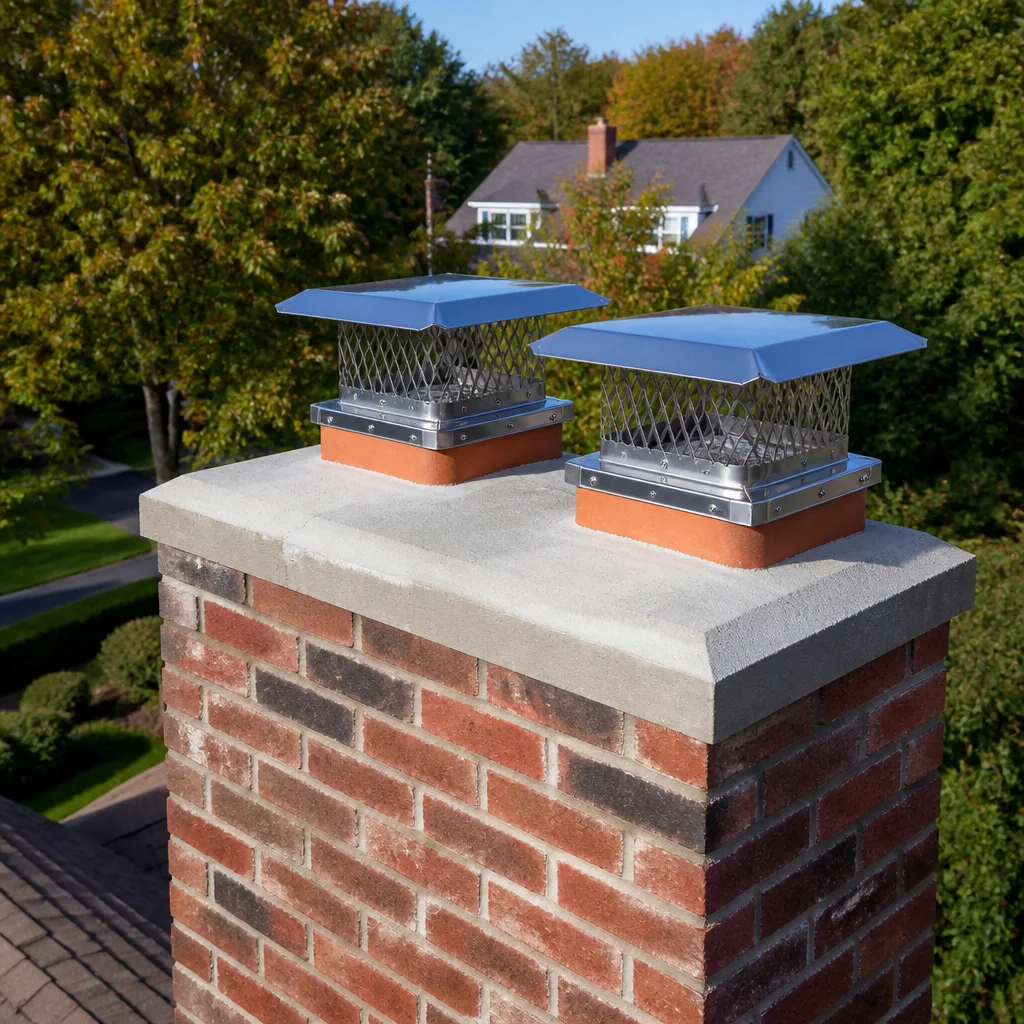 Caps & crowns
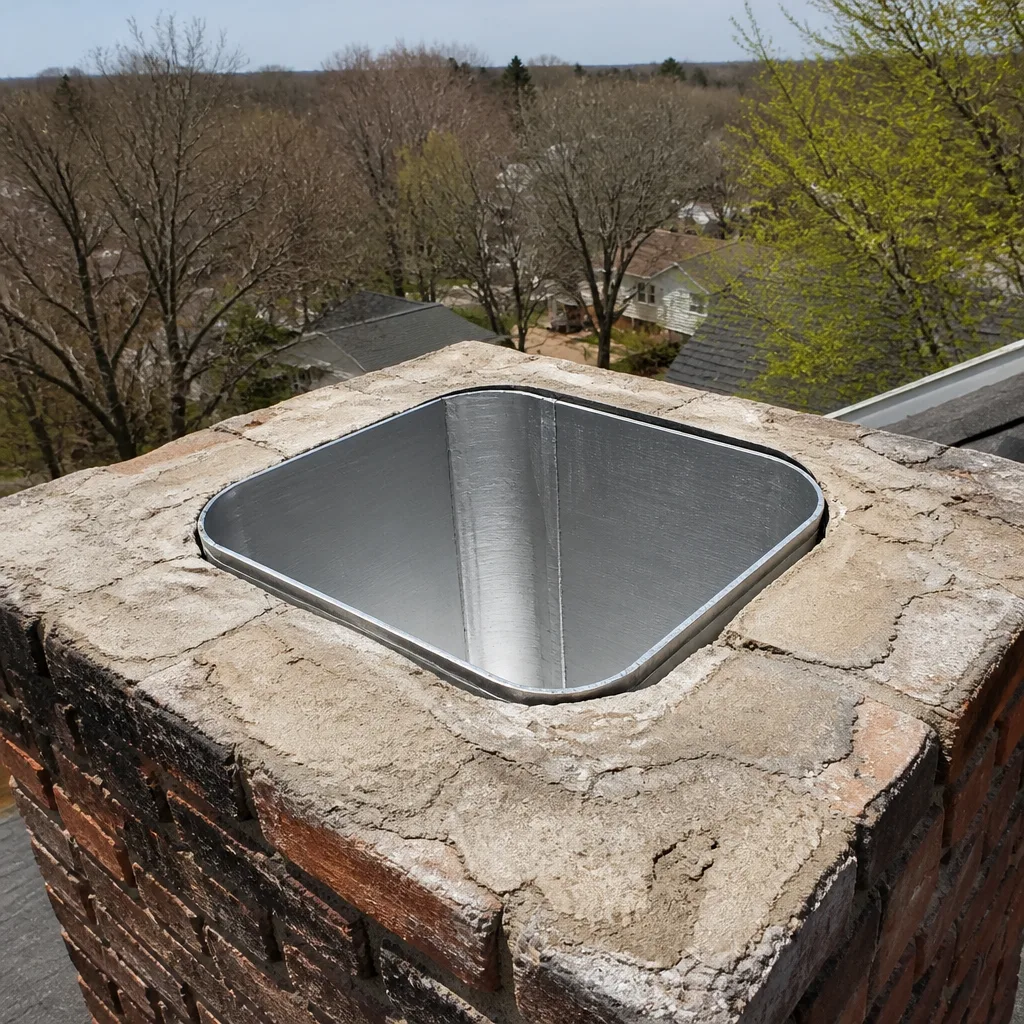 Flue relining
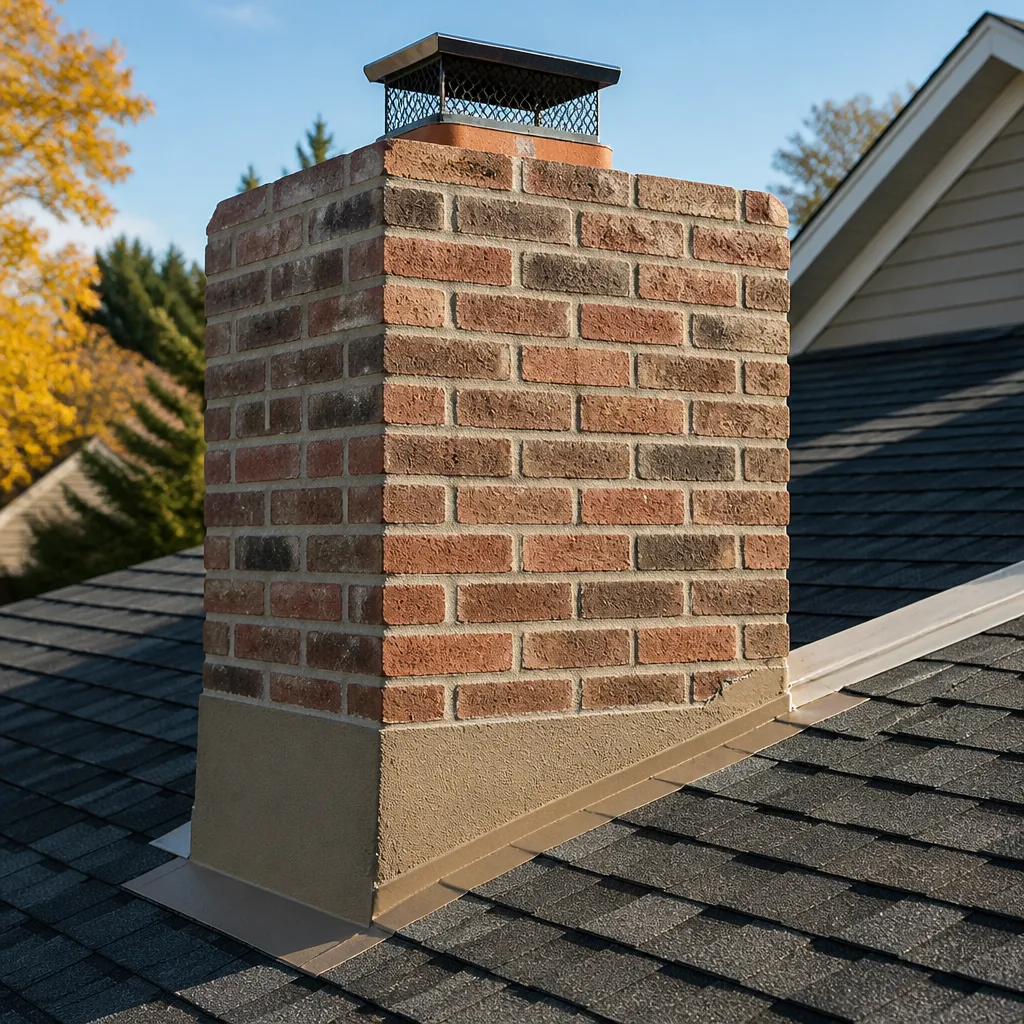 Masonry repair
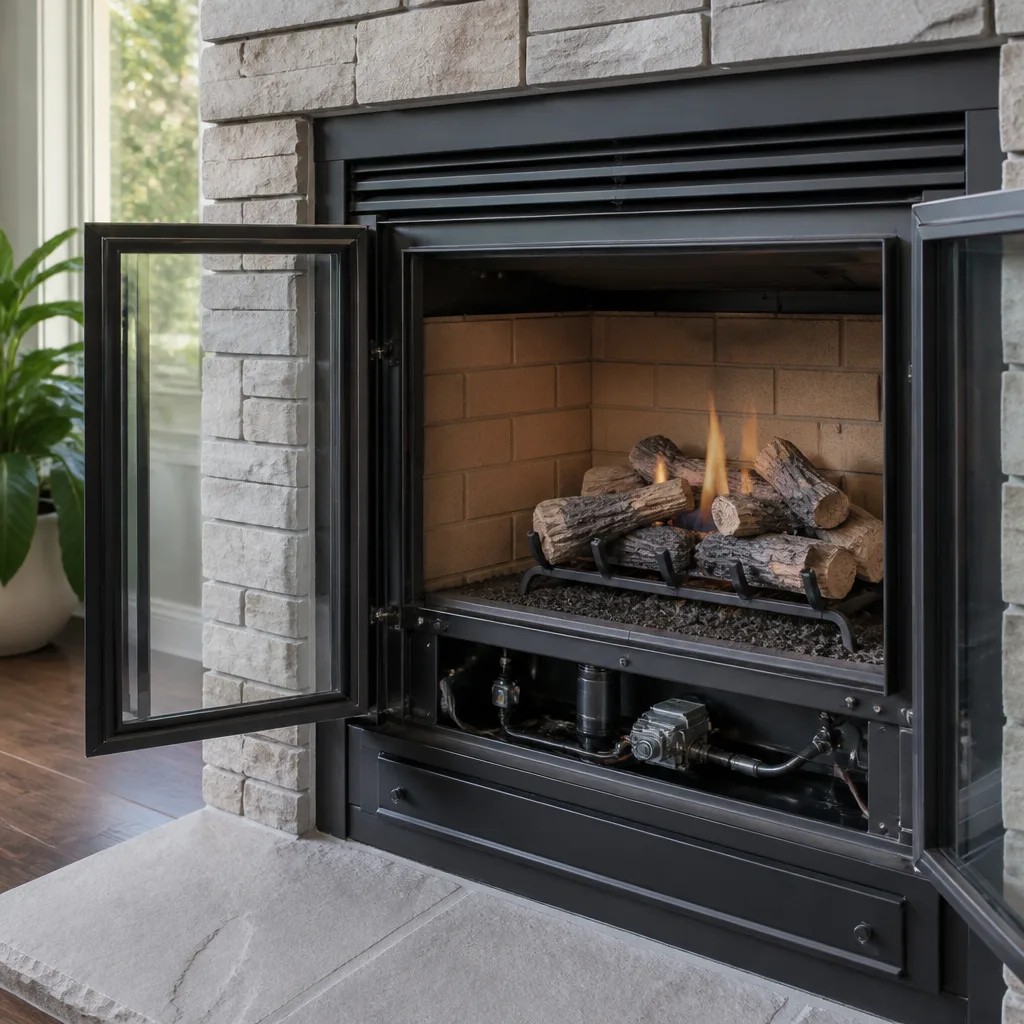 Gas fireplace service
Level 1 sweep and inspection to the NFPA 211 annual standard - flue, crown, cap, and flashing checked and photographed
Chimney sweep logs do not sweep chimneys. They loosen some creosote - which then falls where a brush and vacuum still have to collect it.
How to Hire a Chimney Cleaning Contractor in Pleasant Grove: A Step-by-Step Guide
The chimney trade has almost no barrier to entry. Anyone can buy a brush set, print a business card, and call themselves a sweep. So when a Pleasant Grove homeowner asks who should clean their flue, the answer has to start somewhere other than price. “Certified” costs nothing to print. A CSIA number has to be earned through months of study and a proctored exam, and you can check it yourself in a couple of minutes. This guide walks you through exactly how to vet a chimney contractor in Pleasant Grove before anyone gets on your roof: how to verify credentials, what equipment should show up, the questions most homeowners forget to ask, and the red flags buried in a quote. By the end, you’ll be able to tell a trained specialist from a brush jockey.
Quick Answer
To hire a chimney cleaning contractor in Pleasant Grove, verify the technician’s CSIA certification through the Chimney Safety Institute of America’s online registry before booking, confirm the visit includes a camera-assisted inspection and not just a sweep, ask what professional equipment arrives on the job (industrial HEPA vacuum, rotary cleaning system, inspection camera), and get a written scope of work before any brush touches the flue. Skip anyone who quotes a flat price over the phone without asking about your chimney’s type, condition, or configuration. The written estimate is what sets your final price, so treat it as the contract.
Styles & brands we work with
- Sweep & inspection
- Caps & crowns
- Flue relining
- Masonry repair
- Gas fireplace service
Table of Contents
- Why Vetting a Chimney Sweep in Pleasant Grove Matters
- Step 1: Verify CSIA Certification in Real Time
- Step 2: Ask the Three Questions That Reveal a Real Inspection
- Step 3: Know What Proper Equipment Looks Like on the Job
- Step 4: Spot Red Flags in a Chimney Sweep Quote
- Step 5: Understand Full-Service vs. Handyman
- What Pleasant Grove Conditions Do to a Chimney System
- What a Proper Sweep and Inspection Visit Should Look Like
Why Vetting a Chimney Sweep in Pleasant Grove Matters
A chimney is one of the few parts of a house that can quietly fail in a way that affects the whole building. Creosote builds up in stages, and the difference between a routine cleaning and a serious hazard depends on how much has collected inside the flue. A trained sweep reads that buildup, measures it, and tells you what it means. Someone with a brush and a ladder reads nothing. They clean until the brush stops dragging and hand you a receipt.
Pleasant Grove sits against the Wasatch foothills, and the housing stock here ranges from older brick chimneys to newer homes with factory-built fireplaces and gas inserts. Each configuration needs different handling. A masonry flue with a clay tile liner is cleaned one way; a prefab metal chimney with a stainless liner is cleaned another. A sweep who only knows one method will either skip yours or damage it.
Then there’s the inspection. Cleaning without inspecting is like changing the oil and never checking the brakes. The cleaning removes what has accumulated. The inspection tells you whether the system is sound enough to keep using. Most budget sweeps skip the inspection entirely, either because they aren’t trained to do one or because it takes time they’d rather spend on the next call. In Pleasant Grove, where winter burns run long and hard, that omission has consequences.
Our technicians have up to 14 years of experience, and in that time the pattern is consistent: the homeowners who end up with costly repairs are almost always the ones who hired on price alone and got a cleaning with no inspection attached. The fix is straightforward, and it starts with credentials.
Step 1: Verify CSIA Certification in Real Time
CSIA stands for the Chimney Safety Institute of America, and its certified sweep credential is the recognized standard in the trade. Earning it requires coursework, hands-on training, and a proctored exam, and maintaining it requires continuing education. That’s why the first question you ask any chimney contractor in Utah should be for their CSIA number, not their price. But asking isn’t enough. Anyone can say they’re certified.
Here’s how to check it yourself:
- Ask for the technician’s full name and CSIA certification number. Write it down. A real certification has a number attached to a specific person, not just a company logo.
- Open the CSIA website and find the online sweep locator or certification registry. This is a public database, free to use.
- Search by name or certification number. The registry shows whether the credential is current and in good standing.
- Confirm the name matches the person who will actually be on your roof. A company owner’s certification doesn’t automatically cover every technician they send.
- Ask when the certification was last renewed. CSIA credentials require ongoing education, so a current renewal is a sign the sweep stays current on codes and methods.
If a contractor hesitates to give you a number, or tells you their certification is “in the mail” or “through another organization,” that’s your answer. Move on. The verification takes five minutes and tells you more about the company than a dozen reviews. For a Pleasant Grove homeowner who plans to use the same sweep year after year, it’s worth doing once.
Step 2: Ask the Three Questions That Reveal a Real Inspection
Most people don’t realize that sweeping and inspecting are two different services. A sweep cleans the flue. An inspection evaluates the entire chimney system from the firebox to the crown: the liner, the damper, the firebox walls, the smoke chamber, the cap, the crown, and the flashing where the chimney meets the roof. The CSIA recommends an inspection as part of every visit, and a proper one includes photos or video you can look at yourself.
Here are the three questions that separate a real inspection from a cleaning with a glance attached:
- “Will you inspect the whole system, not just the flue?” A sweep who only looks up the chimney misses the crown cracks, the cap damage, and the firebox mortar joints that cause most of the trouble in Pleasant Grove homes.
- “Will I get a written report with photos or video?” If the answer is vague, the inspection is probably verbal. A written report you can keep tells you what was found, what condition it’s in, and what can wait.
- “What’s the difference between a Level 1, 2, and 3 inspection, and which one does my situation need?” A certified sweep will know the answer without looking it up. A brush jockey won’t know the question.
That third question matters more than homeowners expect. A Level 1 inspection covers a chimney that’s in routine use with no known problems. A Level 2 adds a video scan of the flue and is called for after a chimney fire, after a change in fuel type, when you’re buying or selling a home, or when a problem is suspected. A Level 3 involves opening walls or other access when the situation demands it. Most Pleasant Grove homes coming off a winter of regular fires need at least a Level 2, and a sweep who doesn’t distinguish between them isn’t inspecting in any meaningful sense.
One more note on transparency: a good chimney company will offer inspection as a standalone service, with no work required to get an honest assessment. If the inspection is only ever bundled with a sweep and followed by a repair recommendation, you’re being sold to, not assessed.
Step 3: Know What Proper Equipment Looks Like on the Job
When the sweep arrives, look at what they carry. The equipment tells you as much as the certification. Three pieces matter most, and their absence is a real concern.
An industrial HEPA vacuum. Chimney cleaning stirs up fine soot that drifts through the house if it isn’t captured at the source. A shop vac won’t do it; the filter isn’t fine enough. A proper HEPA vacuum runs continuously during the sweep and keeps the soot out of your living room. If the technician shows up with a small vacuum and a drop cloth, plan on dusting afterward.
A rotary cleaning system. Modern sweeps use a power-driven rotating brush or whip that follows the contours of the flue and removes glaze-phase creosote that a hand brush can’t touch. Glaze creosote is the hard, tar-like stage that’s the most dangerous to burn off. A hand brush will skim it and leave the rest. Ask what system they use on your flue type, because rotary systems aren’t right for every liner and a trained sweep will tell you which method fits your chimney.
An inspection camera. A camera with a monitor lets the sweep see the inside of the flue and show you what’s there. This is what makes an inspection verifiable. Without it, you’re taking someone’s word for the condition of a component you’ll never see yourself.
Other signs of a professional setup: drop cloths and floor protection, ladders rated for roof work, and the willingness to walk you through what they’re doing before they start. In our experience, a contractor with the right equipment is also the one most likely to explain why they need it. The two traits go together.
Step 4: Spot Red Flags in a Chimney Sweep Quote
The quote is where a lot of homeowners get tripped up. A legitimate chimney sweep quote is specific to your system. It reflects the type of chimney, the condition the technician found, the level of inspection needed, and any work that has to be done. If the price never varies regardless of system type or condition, that’s a red flag.
Here’s what to watch for:
- Flat-rate pricing that doesn’t change with the job. A masonry chimney with heavy buildup and a prefab insert are not the same job. A quote that’s identical for both tells you the price isn’t connected to the work.
- A quote given over the phone without questions. A real sweep will ask about your chimney type, your fuel, when it was last cleaned, and whether you’ve noticed any issues. If those questions don’t come, the quote is a guess.
- Repair recommendations that appear before any inspection. If you’re told you need a new liner the moment the technician walks in, ask to see the camera footage. Nothing should be recommended without evidence you can look at.
- No written scope of work. You should get, in writing, exactly what the visit covers and what the price is. Verbal quotes are how surprise charges happen.
- Door-to-door sweeps with no verifiable credentials. Pleasant Grove sees its share of seasonal canvassers. Ask for a CSIA number and a business address, and see how they respond.
- Pressure to decide on the spot. Repairs that are genuinely urgent should still get a camera photo, a written recommendation, and a clear explanation. If the technician won’t give you time to think, the recommendation is doing more work for them than for your chimney.
The written estimate is what protects you. It sets the final price, and it should list each element of the work so you can see what you’re paying for. If a quote is a single number with no breakdown, ask for one. The good companies give it without pushing back.
The one place we’d urge caution is resurfacing and liner work. HeatShield, a professional chimney resurfacing system, is often the right answer for a damaged liner, and it’s a material only a trained specialist can apply. General contractors rarely offer it and DIY isn’t an option. A contractor who can explain when resurfacing applies and when it doesn’t is the one who’ll give you an honest recommendation. Preserving the flue for years is cheaper than replacing it when the wrong repair turns out to be the wrong repair.
Step 5: Understand Full-Service vs. Handyman
A general handyman can clean a chimney. Whether that’s who you want depends on what they find. Cleaning is the routine part; the reason to hire a chimney company is what happens when the cleaning uncovers a problem. And in Pleasant Grove homes, it often does.
The comparison matters because the trades are not interchangeable. Here’s how to think about it:
- Scope. A chimney company covers the full system: the flue, the firebox, the damper, the smoke chamber, the crown, the cap, the flashing, and the fireplace components. A handyman does the cleaning and refers out the rest.
- Materials. Professional chimney work relies on trade-grade materials. We work with DuraFlex liner systems and Olympia Chimney components, and we install HeatShield resurfacing for liner repair. Those are available to the trade, not through retail, and the quality matters over the life of the system. Big-box substitutes aren’t the same material.
- Continuity. When cleaning and repair are handled by the same company, the person who found the problem is the person responsible for fixing it. That’s a cleaner chain of accountability than a handyman who hands off to a specialist and steps back.
- Focus. A single-trade chimney company does chimney work constantly rather than occasionally. The expertise runs deeper because that’s the only work on the schedule.
The practical test is simple: if the cleaning turns up a cracked crown, a damaged cap, or a flue that needs resurfacing, do you want a second contractor and a new round of quotes, or do you want a written estimate from the company already standing in your living room? For most Pleasant Grove homeowners, the answer is the second one. It costs less time, and it avoids the ambiguity of a repair that nobody has clearly taken ownership of.
What Pleasant Grove Conditions Do to a Chimney System
A chimney doesn’t fail in a vacuum. The conditions outside the house shape how the system inside holds up, and Pleasant Grove has a few that matter.
The predominant issue here is winter. When the temperature drops into the teens and twenties, fires burn hotter and more often, and the flue is working harder than it does in milder places. When the fire cools overnight, moisture condenses inside the flue. That moisture combines with creosote and with the acidic byproducts of combustion, and over a season or two the mix attacks the mortar joints and the clay tile liner. Homes that burn regularly through the cold months should expect buildup to happen faster than a warmer climate would produce.
The foothill weather adds the second issue: rain and snowmelt running across the chimney exterior. Two points catch most of the water. The chimney cap is the top opening; if it’s missing, damaged, or the wrong size, water gets straight into the flue. The crown is the sloped concrete slab on top of the chimney; hairline cracks in the crown let water in behind the liner where it freezes and expands. Those are the two points to watch in Pleasant Grove, and they’re both fixable. A cap and crown service addresses both, and scheduling it before the first freeze beats repairing the damage that water does over a full winter.
Pleasant Grove also has older homes mixed in with newer construction, and the chimneys reflect it. Older masonry chimneys often predate modern liner requirements; newer homes with gas inserts need a different kind of evaluation than a wood-burning fireplace. A sweep who knows both, and knows which inspection level fits each, is the one you want.
When you’re ready to schedule, a chimney sweep visit is the starting point, and if the inspection turns up a needed repair, the same company can handle it without a referral.
What a Proper Sweep and Inspection Visit Should Look Like
You’ve verified the CSIA number, asked the right questions, confirmed the equipment, and hired the company. Here’s what the visit itself should look like, so you know whether it’s going as it should.
- Walkthrough before anything starts. The technician confirms the fireplace type, the appliance, and what’s been burned. They protect the floor and surrounding surfaces.
- Setup. HEPA vacuum running, brushes and rotary system staged, camera ready.
- Sweep. The flue is cleaned top-down or bottom-up depending on the configuration. The technician tells you how much creosote they found and what stage it’s in.
- Inspection. Camera in the flue, then a check of the firebox, damper, smoke chamber, crown, cap, and flashing. If a Level 2 was called for, the video scan covers the liner.
- Report. You get a written record of findings, photos or video, and a recommendation for anything that needs attention. Anything that can safely wait gets flagged as such.
- Estimate. If repairs are needed, the estimate is written and sets the price. You have time to look at it, not decide on the spot.
Those two principles, camera-verified findings and an honest “can wait” verdict, are what we hold ourselves to. If a chimney sweep hands you a report you can’t look at the evidence for, you’re back at the red flags.
Common Mistakes to Avoid
- Hiring on price alone. The lowest quote in Pleasant Grove is often the one that skips the inspection, uses a shop vac instead of a HEPA unit, or prices without asking what kind of chimney you have. The cheap visit costs more later.
- Not verifying the CSIA number. A business card is not proof. Taking 5 minutes to look the technician up in the registry is the single highest-value step in this whole guide.
- Assuming a sweep includes an inspection. Many don’t. Ask explicitly, and ask for a written report. A cleaning without an inspection leaves you knowing nothing about the system’s condition.
- Accepting a repair recommendation you can’t see the evidence for. “You need a new liner” without camera footage or a photo is a guess. Ask for the image, and ask what can safely wait.
- Skipping the crown and cap. Water intrusion at these two points is the most common cause of chimney damage in Pleasant Grove. If nobody’s checked them, that’s the gap.
- Hiring a handyman for chimney repair work. A handyman can sweep, but liner resurfacing and structural masonry are specialty work. If the cleaning uncovers a problem, you want one company on the job, not two.
- Going too long between sweepings. Under-use and over-use both cause trouble. Every year, if you burn regularly, and before the first fire of the season regardless. A sweep is the baseline, not the extra.
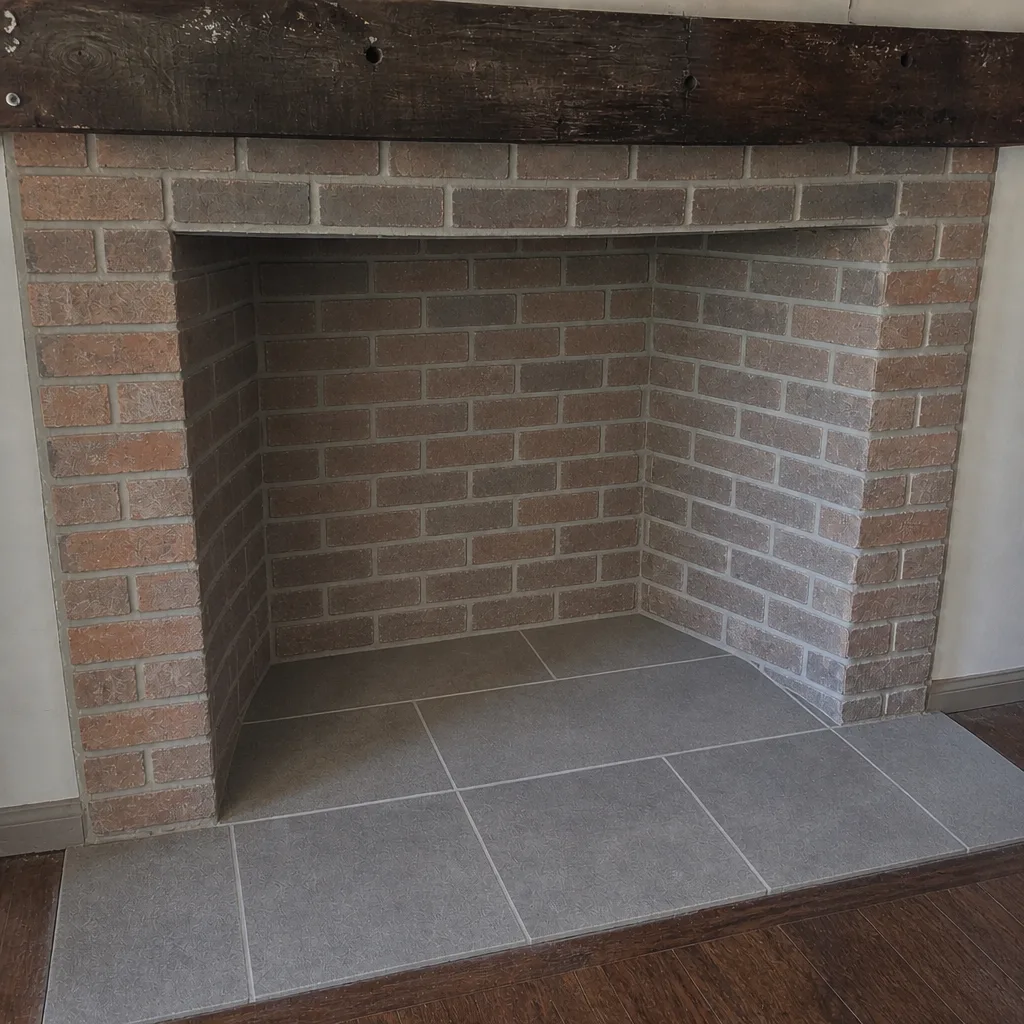
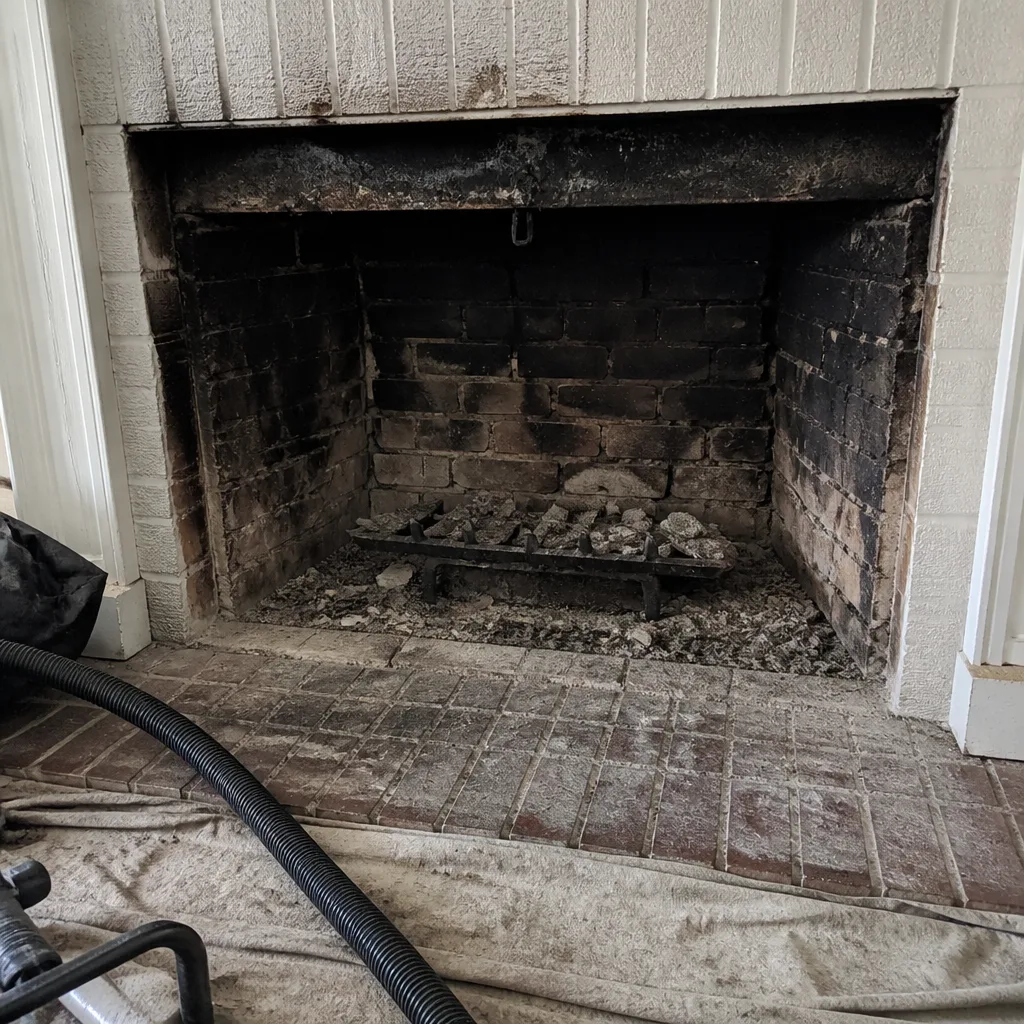
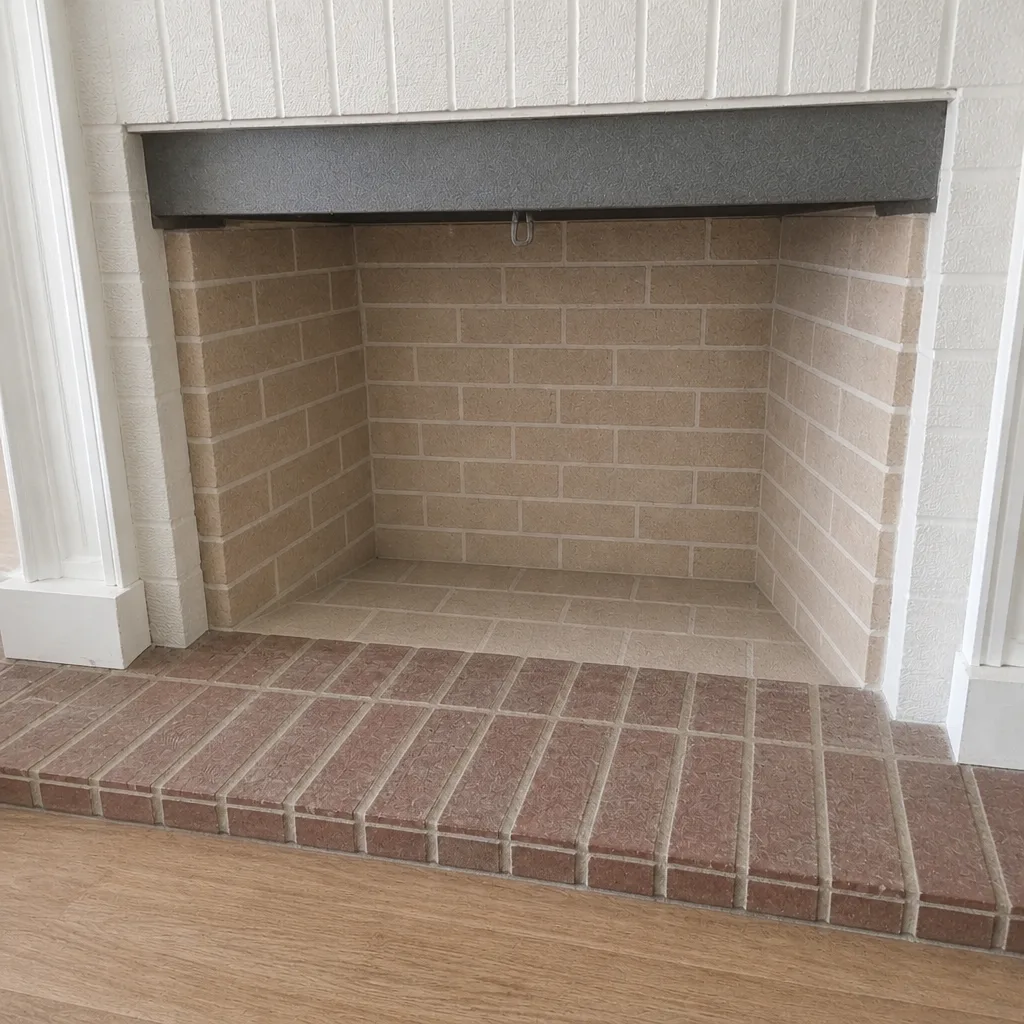
See the difference
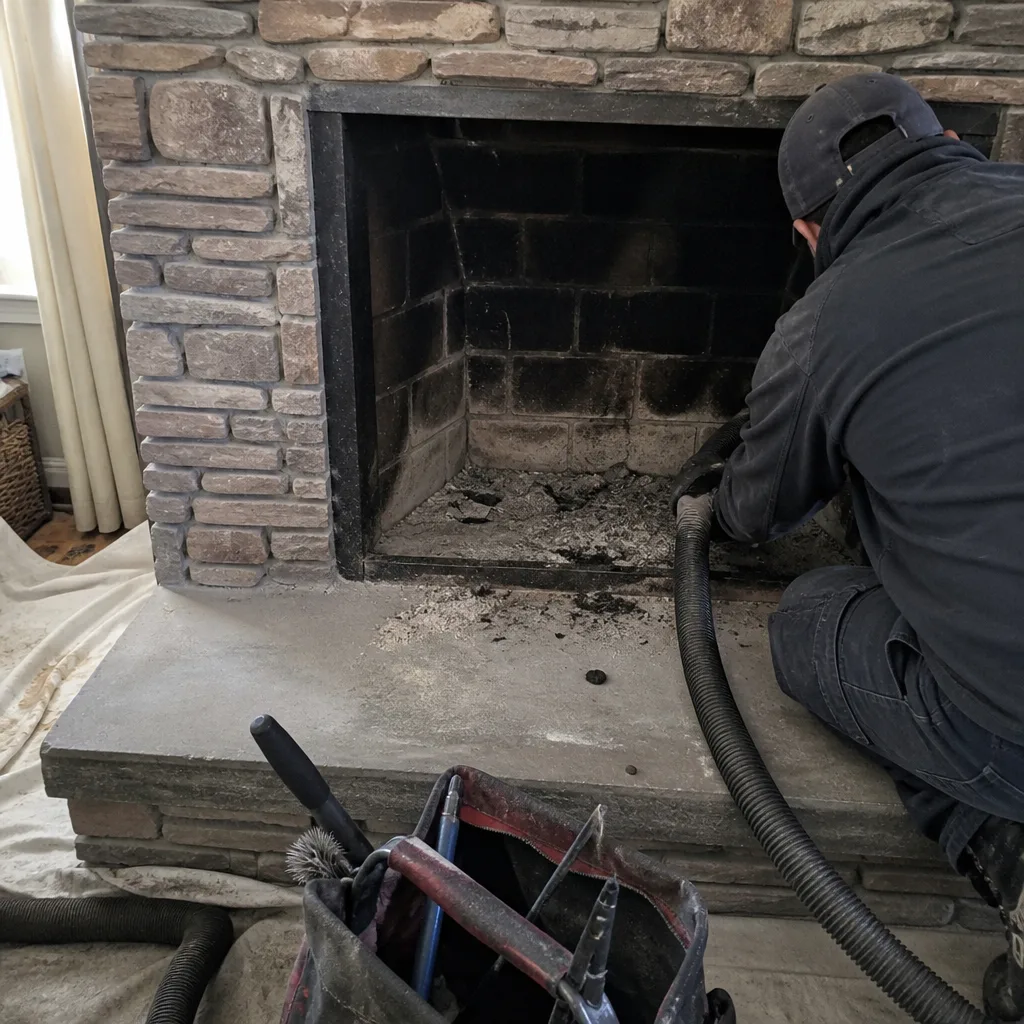 Before
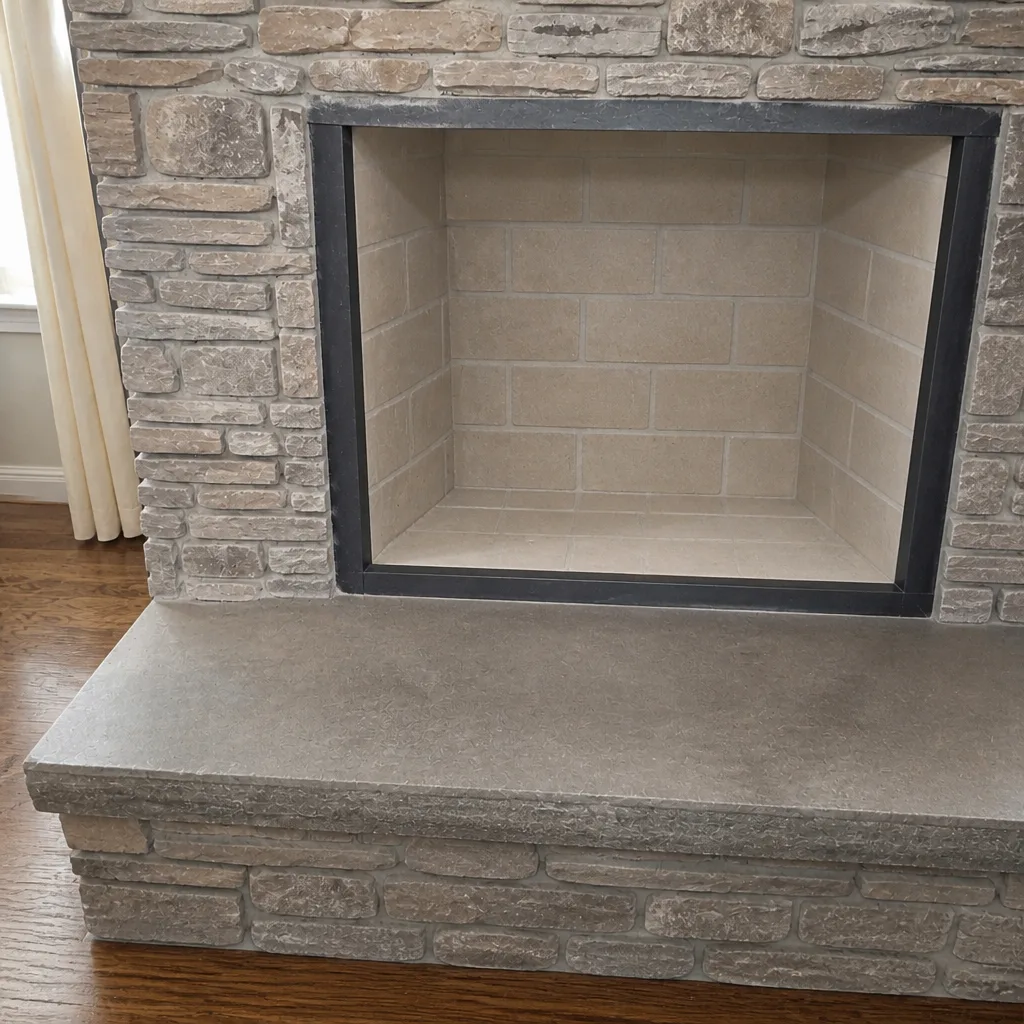 After
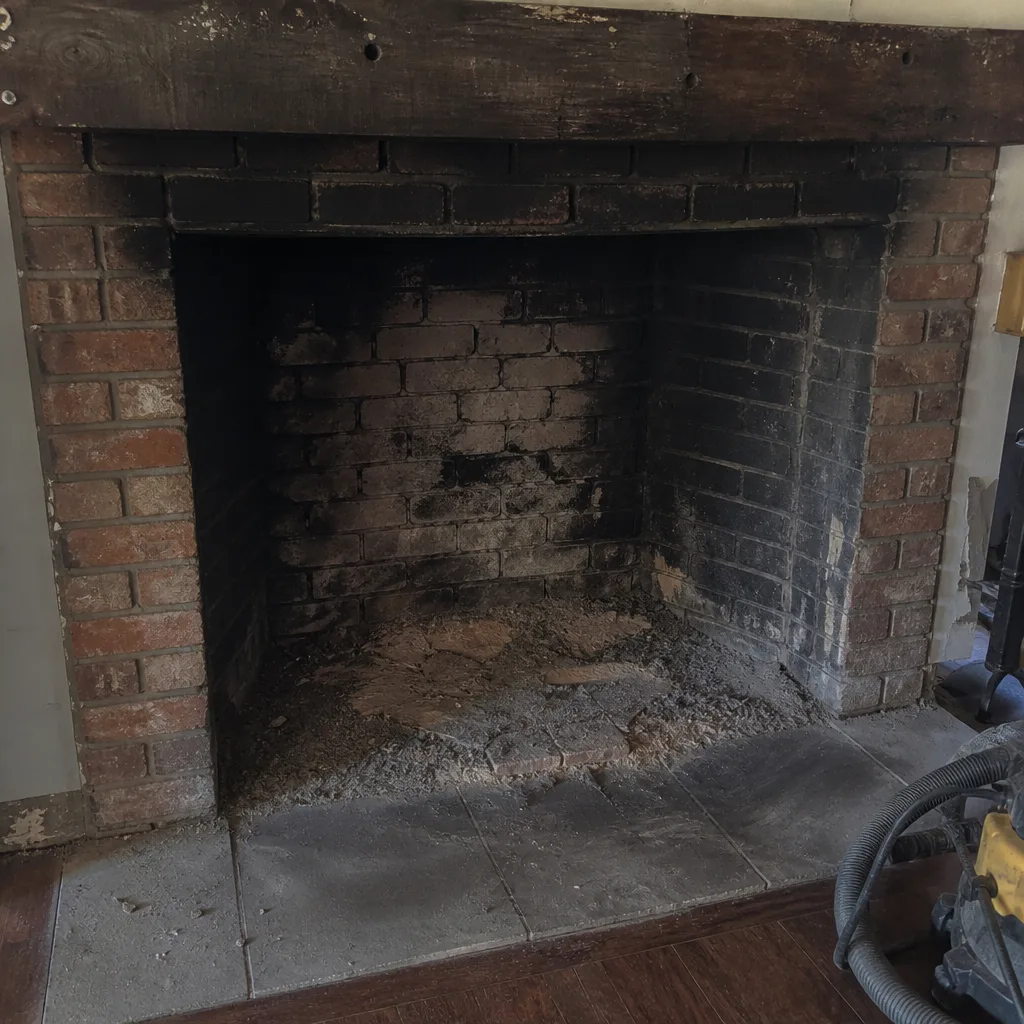 Before
 After
 Before
 After
When to Call a Professional
Some things are worth checking yourself. The chimney isn’t one of them. Call a professional if it’s been more than a year since the last sweeping, if you’ve noticed smoke backing into the room when a fire is lit, if the damper doesn’t open and close cleanly, if there’s a visible crack or missing piece on the crown or cap, if the smoke chamber looks dark and glazed, if the firebox lining has loose or missing mortar, or if you’re buying a home and want a Level 2 inspection before closing. Call immediately if you’ve had a chimney fire, even a small one you put out yourself, because the liner can be damaged without the fire being visible on the outside. If you smell gas near a gas insert or fireplace, that’s a call for the utility company first and a professional second.
Pleasant Grove Chimney Sweep offers free estimates in Pleasant Grove. Call (833) 509-5365 to book a visit. We answer 24/7. Fast dispatch from 7am to 7pm, Sunday through Friday. A call outside dispatch hours is booked into the next opening, Sunday through Friday, 7am to 7pm.
Frequently Asked Questions
Most chimney sweep visits in Pleasant Grove run in the low to mid hundreds of dollars for a standard cleaning, with the final price set by a written estimate after the technician has seen the chimney type, the creosote level, and any inspection needs. Prices vary because the job varies: a masonry flue with heavy buildup takes longer than a lightly used prefab insert, and a Level 2 inspection with a video scan costs more than a Level 1. Ask for the written estimate before work begins, and confirm that it includes both the sweeping and the inspection. Call (833) 509-5365 for an exact quote. Estimates are free.
Only if the existing liner is damaged or unsuitable for the appliance it serves. The liner is the component that carries combustion gases up and out, and when it develops cracks, gaps, or deterioration, gases can escape into the chimney structure or the house. That’s a real hazard, but the recommendation should always be backed by camera evidence you can look at yourself. Ask the technician to show you the footage and explain what they see. In some cases a HeatShield resurfacing extends the life of an existing liner rather than replacing it, and in others the liner can safely wait another season with monitoring. Nothing should be recommended without evidence, and a good chimney company will tell you when a repair can wait.
Once a year is the standard for a chimney that sees regular use, and that’s the baseline for most Pleasant Grove homes burning wood through the winter. If you burn more heavily, use unseasoned wood, or run a fireplace as a primary heat source, professionals often recommend sweeping more frequently because creosote accumulates faster. Gas inserts still need an annual inspection even though they don’t produce creosote the way wood does, because the flue and venting can develop issues that aren’t visible from the room. The safest habit is to book a sweep before the first fire of the season. That way, you know what you’re working with before winter, not after.
Creosote builds up on the interior walls of the flue, and in the later stages it hardens into a glazed, tar-like layer that ignites more readily than the earlier stages. That’s the chimney fire risk: not the soot itself, but the accumulated creosote that a proper sweep removes before it gets there. Separately, a flue that’s never inspected can develop cracks or gaps in the liner, and those allow carbon monoxide to migrate into the house instead of going up the chimney. Carbon monoxide is invisible and has no smell, so a flue problem can exist without a warning sign you’d notice. Both risks are addressed by the same solution, which is a sweep and inspection on a regular schedule. Call (833) 509-5365 to book one. Estimates are free.
Yes. A chimney inspection is a standalone service, and some homeowners want the assessment first before deciding what work to schedule. That’s the right way to think about it. An inspection tells you the condition of the system, which lets you decide on sweeping, repair, or a cap and crown, with the information in hand. It’s also a good idea before you buy a home in Pleasant Grove, or after a chimney fire, when the inspection itself is the priority. You don’t need to commit to any repair work to get the assessment, and the written report is yours to keep. Call (833) 509-5365 to schedule an inspection. Estimates are free.
It usually is, because the value shows up when the cleaning uncovers something. A handyman can sweep a chimney, but the repairs that a sweep commonly finds (liner damage, crown cracks, firebox mortar, cap issues) call for chimney specialty work, trade-grade materials, and a trained hand for HeatShield resurfacing or liner replacement. Those materials include DuraFlex liner systems, HeatShield, Olympia Chimney components, and others in the professional trade supply chain that aren’t sold retail. When one company does the sweeping, the inspection, the repair, and the cap and crown work, you’re dealing with the same people from start to finish and the accountability is clear. That’s the model we built Pleasant Grove Chimney Sweep around. Call (833) 509-5365 for a free estimate.
The Bottom Line
Hiring a chimney cleaning contractor in Pleasant Grove comes down to verification over assumption. Ask for the CSIA certification number and look it up in the public registry. Confirm the visit includes a camera-assisted inspection and not a cleaning alone. Check the equipment that shows up: HEPA vacuum, rotary system, inspection camera. Treat the written estimate as the contract that sets your price. And when cleanup turns up repairs, look at the evidence before agreeing to anything, and ask what can safely wait. The trades are not equal, and the difference between a trained chimney specialist and a brush jockey shows up in the report you carry away.
From the firebox to the crown, a properly vetted contractor covers the whole chimney system and gives you a clear picture of what it needs. If you’d rather not run the vetting yourself, that’s what we’re here for. Call (833) 509-5365 for a free estimate. We answer 24/7. Fast dispatch from 7am to 7pm, Sunday through Friday. You can also read more about our Pleasant Grove Chimney Sweep service, our fireplace repair work, and our chimney repair capabilities before you book.
Written by the team at Pleasant Grove Chimney Sweep.