
Last updated November 24, 2026
 Sweep & inspection
 Caps & crowns
 Flue relining
 Masonry repair
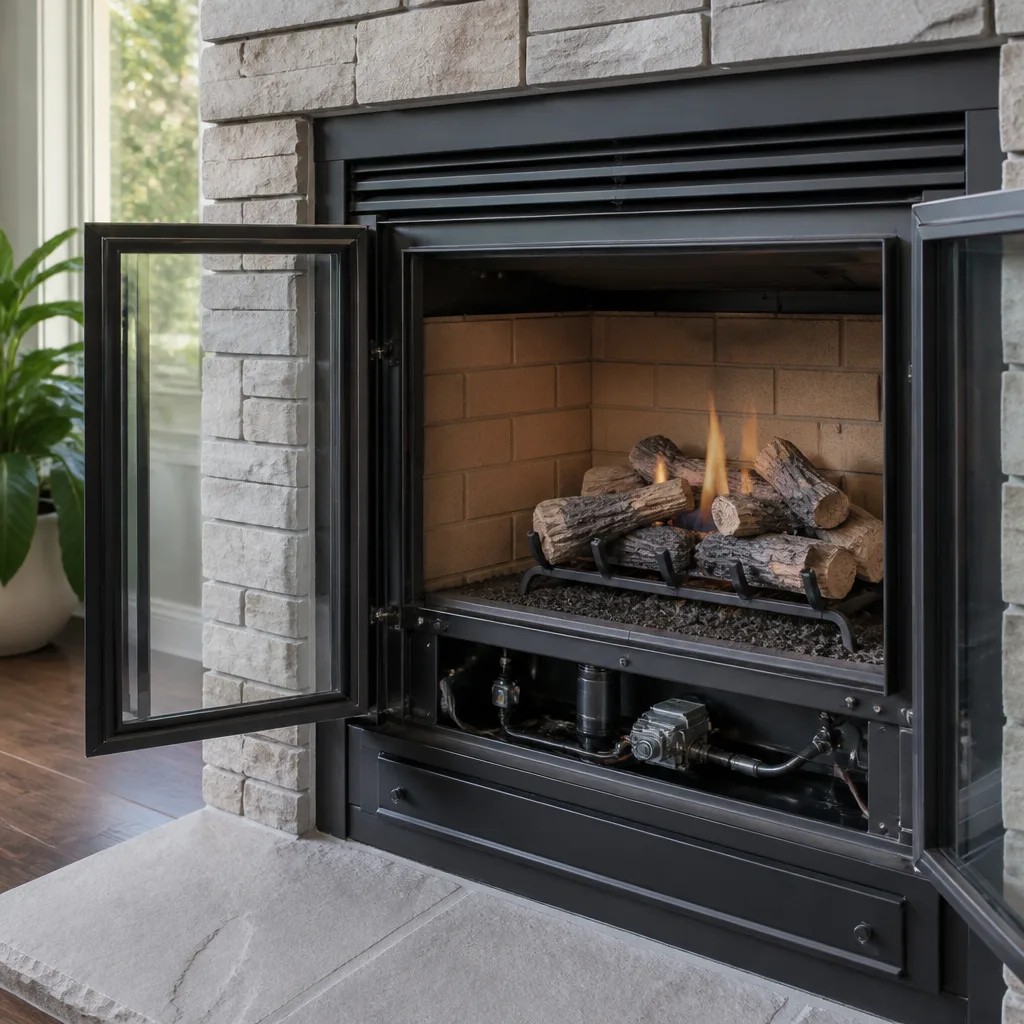 Gas fireplace service
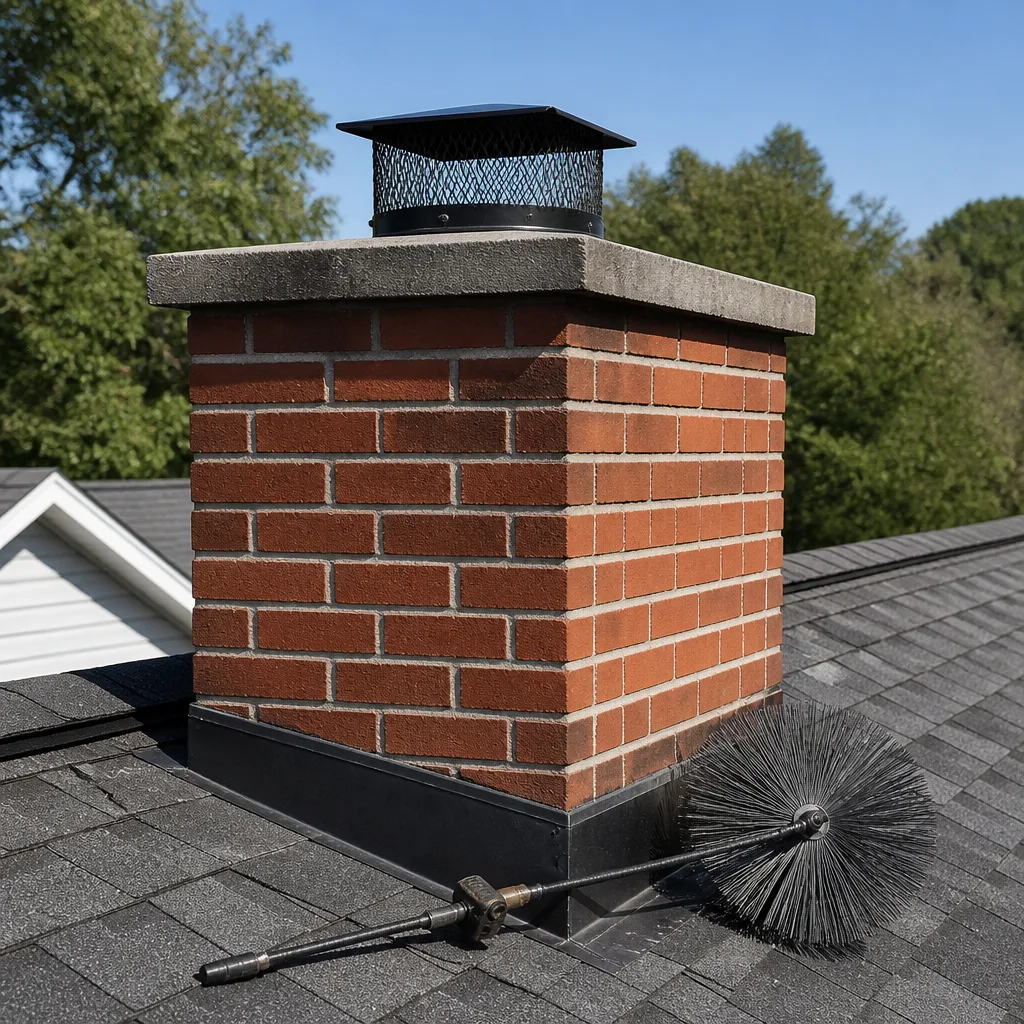
Level 1 sweep and inspection to the NFPA 211 annual standard - flue, crown, cap, and flashing checked and photographed
Chimney sweep logs do not sweep chimneys. They loosen some creosote - which then falls where a brush and vacuum still have to collect it.
Choosing the Right Chimney Cleaning Brand: A Buyer’s Guide for Pleasant Grove
The chimney cap on the shelf at a big-box store and the one a professional chimney sweep installs can look identical from the driveway. Same shape, same black finish, same general idea. Then the first Pleasant Grove winter arrives, and the differences that matter start to show: the gauge of the steel, the mesh specification, the weld quality, and whether the thing was built to shed snow and vent a flue for a real stretch of years. This guide is about that gap. We’ll walk through what separates professional-trade chimney materials from consumer-grade substitutes, which cleaning products actually do chemical work and which are mostly packaging, and how to read a contractor’s product choices as a quality signal. You’ll finish knowing what to ask before anyone sets foot on your roof in Pleasant Grove.
Quick Answer
The best chimney cleaning and chimney material brands in Pleasant Grove are the ones stocked through professional trade suppliers, not the retail shelf: stainless liner systems like DuraFlex, resurfacing products like HeatShield, and cap and crown components built to a gauge and weld standard you can verify. For creosote, chemical treatments built on trisodium compounds do real work, while many retail sprays are largely marketing. The strongest quality signal isn’t a star rating. It’s a contractor who can tell you which brand they use and why.
Styles & brands we work with
- Sweep & inspection
- Caps & crowns
- Flue relining
- Masonry repair
- Gas fireplace service
Table of Contents
- What separates professional-grade chimney materials from big-box alternatives?
- Stainless liner systems: gauge, warranty, and installation fit
- Which creosote removal products actually work
- Crown coat sealants vs. standard masonry sealers in Utah’s freeze-thaw cycle
- How to evaluate chimney cap specifications
- Why asking your contractor what brand they use beats any review
- Matching the product to the problem
- Common mistakes to avoid
What separates professional-grade chimney materials from big-box alternatives?
Professional-grade chimney materials differ from big-box alternatives mainly in three things: metal gauge and alloy for liners and caps, warranty terms built around long service life, and installation tolerances that match specific flue dimensions rather than approximating them. Those three differences compound. A thinner cap rusts through at the seams first. A liner that doesn’t fit the flue precisely has to be forced, and forced metal is compromised metal.
There’s a fourth difference that’s less visible: consistency. A professional supplier ships the same alloy and the same wall thickness batch after batch. The retail channel doesn’t always hold that line, because the buyer at a home improvement store is shopping a price point, not a flue specification.
In our experience working chimney systems from the firebox to the crown, the failures we see on Pleasant Grove homes rarely trace back to bad installation alone. They trace back to a component that was never built for the job it was asked to do. A cap rated for a mild climate gets asked to handle snow load and wind off the mountains. A liner sized by eyeball gets asked to vent a wood fireplace through a cold snap. The material was the weak link before anyone touched it.
This matters for cleaning products too, not just hardware. A creosote treatment that’s mostly water and dye won’t change the chemistry inside your flue no matter how many bottles go up the chimney.
Stainless liner systems: gauge, warranty, and installation fit
A stainless liner is the single most consequential material decision in a chimney system, and it’s where the professional-versus-retail gap is widest. Here’s what to compare before you agree to one.
- Alloy and gauge. Ask what alloy the liner is and how thick the wall is. Professional liner systems are specified by both, and a supplier will state them plainly. If a contractor can’t tell you, the liner is a commodity item and you should treat it as one.
- Warranty terms. Read what the warranty actually covers and for how long. A warranty that assumes long service life tells you something about the manufacturer’s confidence in the alloy and the weld.
- Fit tolerance. A liner must match the flue’s measured inside dimensions. Professional systems are sized to real measurements, taken on site, not estimated from the outside of the chimney.
- Connection hardware. The top plate, the appliance connector, and the cap all need to be part of the same system. Mixed components are where leaks start.
- Who applies it. Some products, like HeatShield resurfacing for liner repair, require certified application. That’s a specialized process, not something a general contractor picks up on the way to another job.
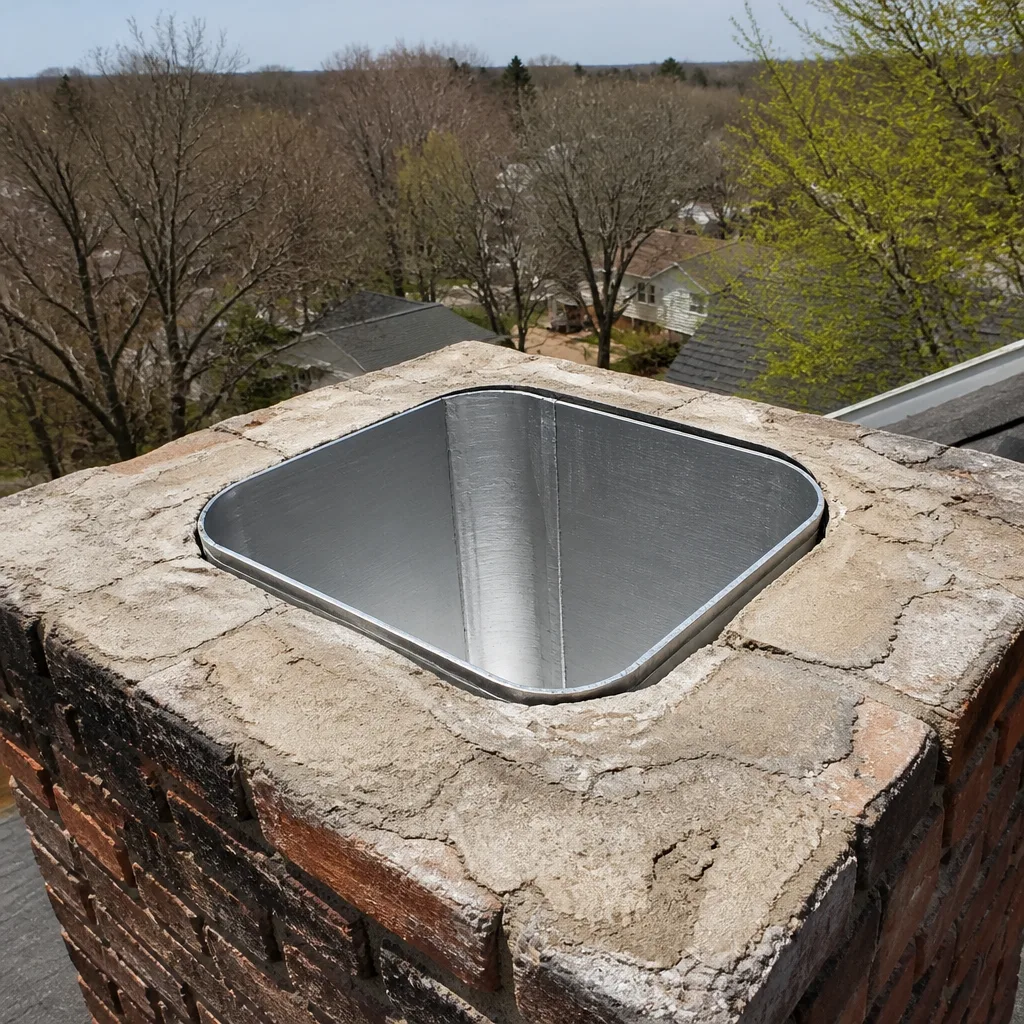
We work with DuraFlex liner systems because they’re specified the way a liner should be: measurable alloy, measurable gauge, and a fit that follows the flue. When the day comes for chimney repair, that specification is what you’re paying for.
One note on safety: liner work happens inside a flue that has vented fire, and the surrounding structure isn’t something to probe blindly. This is trained work. We’d rather you ask questions than attempt it.
Which creosote removal products actually work
Creosote removal is where the retail shelf gets loudest and the chemistry gets thinnest. The category that does measurable chemical work is built on trisodium compounds, which act on the creosote deposit itself rather than coating it. Many liquid sprays sold for homeowner use are largely marketing: they smell like they’re working, and that’s about the extent of it.
What the CSIA (Chimney Safety Institute of America) emphasizes is that creosote comes in stages, and the stage determines the remedy. A light, flaky first-stage deposit comes off with mechanical sweeping. Glazed, hardened third-stage creosote does not respond to a bottle of anything; it needs professional mechanical removal, and in some cases the liner itself has reached the end of its service life.
That distinction is why we treat chemical products as a support tool, not a solution. A treatment can help loosen deposits before a sweep, and it can slow re-formation between sweeps. It cannot substitute for the sweep.
- Stage 1 (soot and flaky creosote): standard sweeping handles it.
- Stage 2 (brittle, crusted deposit): sweeping with the right brushes, sometimes after a chemical treatment.
- Stage 3 (glazed, hardened): professional mechanical removal, and an honest look at whether the flue is still sound.
- Largely marketing: retail sprays that claim to “convert” creosote without mechanical work.
If a product promises to solve a glazed flue without anyone touching it, that’s your signal to keep your money. A proper chimney sweep is still the answer, and in Pleasant Grove the right time to book one is before the first fire of the season, not after.
Crown coat sealants vs. standard masonry sealers in Utah’s freeze-thaw cycle
The crown is the concrete cap at the top of the chimney, and it takes more weather than any other part of the system. Standard masonry sealer is a water repellent. A crown coat sealant is a different product class: a flexible, elastomeric coating that moves with the concrete instead of cracking off it.
That flexibility is the whole point in Utah. Pleasant Grove sits in a climate with repeated freeze-thaw cycles through the winter and spring. Water gets into a hairline crack in the crown, freezes, expands, and widens the crack. Repeat that enough times and the crown fails structurally. A rigid sealer cracks along with the concrete and lets the water back in. A flexible crown coat bridges those hairline cracks and keeps water out while the concrete moves underneath it.
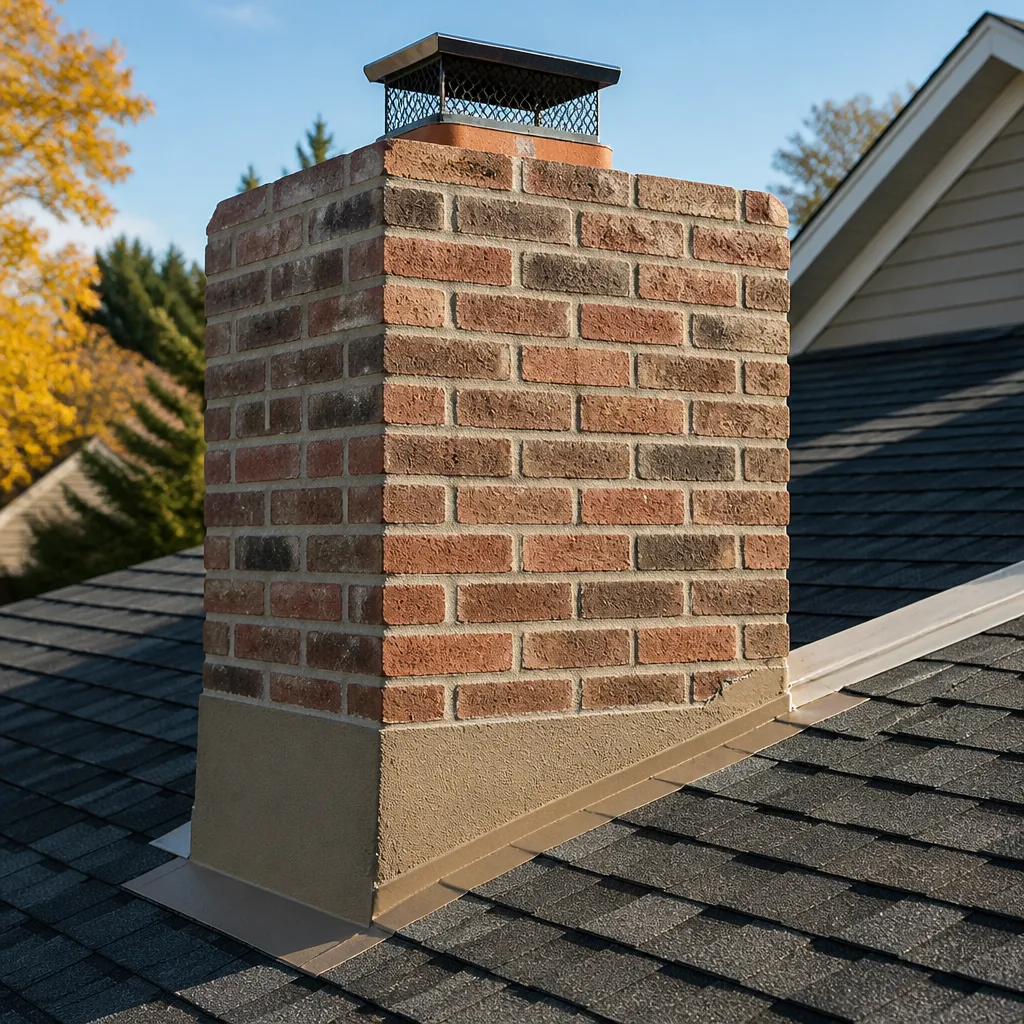
This is the prevention side of chimney work, and it’s the part most homeowners never hear about until the damage is done. Cap and crown services address the two most common points of water intrusion on a chimney, and both are cheaper to maintain than to rebuild. When we’re on a roof for a crown job, we’re also looking at the flashing and the masonry joints, because water finds the weakest seam.
The product matters here as much as the technique. Copperfield and Gelco crown and sealing products are formulated for this kind of exposure, and they’re the kind of material a professional supplier stands behind. A hardware-store masonry sealer applied to a failing crown buys you one more season at best.
How to evaluate chimney cap specifications
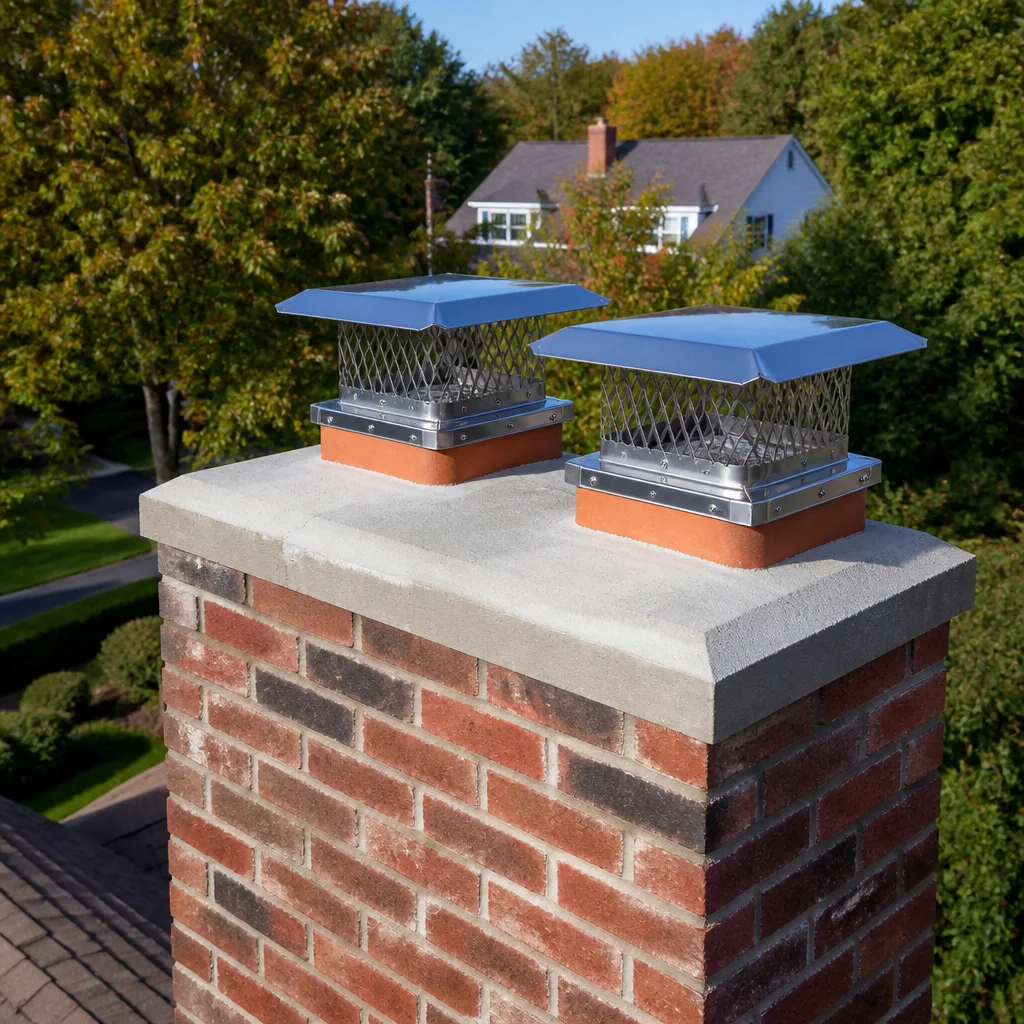
A chimney cap does three jobs: it keeps rain and snow out, it keeps animals out, and it sparks-arrests. Whether it does any of those well comes down to three specifications you can ask about directly.
- Mesh size. The mesh openings need to be small enough to stop sparks and keep out birds and squirrels, while still passing flue gases freely. Too coarse and animals get in. Too fine and the cap clogs with soot and creosote.
- Steel gauge. Thicker steel resists rust, warping, and wind damage. The typical big-box cap uses a light gauge that holds up poorly once moisture and freeze-thaw get to the welds.
- Cap geometry. The shape and overhang matter for wind. Pleasant Grove’s wind patterns push against a cap from specific directions, and a cap with a shallow profile or a weak mounting bracket can lift, rattle, or tear loose. A properly designed cap sheds wind and snow and stays put.
Add a fourth item to the list: the mount. A cap is only as good as how it attaches to the flue tile. A cap that’s screwed into a cracked crown or balanced on an undersized tile is a cap waiting to come off.
We install caps from professional-trade lines because the specifications are documented and the welds hold. If you’re having a cap installed in Pleasant Grove, ask for the gauge and the mesh size. A contractor who knows both without checking is a contractor who works with real specifications.
Why asking your contractor what brand they use beats any review
Reviews tell you whether someone showed up on time and cleaned up after themselves. They don’t tell you what liner alloy went into your flue. The single most useful question you can ask a chimney contractor is simple: what brand of material do you use, and why that one?
A contractor who works with professional-trade brands can answer immediately and specifically. They’ll name the liner system, the resurfacing product, the cap line, and they’ll tell you what those products do that the retail alternative doesn’t. That answer tells you more about quality than any rating, because it shows the contractor has actually made a material decision rather than buying whatever was on the shelf.
We work with a curated roster: DuraFlex for liner systems, HeatShield for resurfacing, Gelco and Copperfield for crown and sealing work, and Olympia Chimney and Famco for related components. Every one of those names carries a specification sheet. That’s the point. If a contractor names a brand, ask what it’s specified for. If they can’t say, the brand name is decoration.
There’s also a scope question buried in this. A chimney specialist works on chimney systems only. A general handyman who sweeps chimneys on the side doesn’t carry the same material relationships, and often can’t offer HeatShield resurfacing at all, because that’s a certified application. When you’re comparing quotes in Pleasant Grove, ask what the contractor’s trade focus is. Specialists spec better because they live in the details.
Matching the product to the problem
The right product is the one that matches the actual condition of your chimney system. That sounds obvious, and it’s where a lot of work goes wrong, because the condition has to be established before anything gets specified. That’s what an inspection is for.
A camera inspection shows what’s inside the flue: the creosote stage, the condition of the liner, cracks in the crown, gaps at the flashing. A photo report lets you see it for yourself. We offer inspections as a standalone service, with no work required to get an honest assessment, because the alternative is a contractor who only finds problems they can bill for.
- Light creosote, sound liner: sweep and move on.
- Cracked crown, sound flue: crown coat sealant and a cap.
- Deteriorated liner, otherwise sound chimney: HeatShield resurfacing may restore it without a full reline.
- Failed liner or damaged masonry: reline or structural repair, and the inspection tells you which.
- No cap, or a failing cap: new cap sized to the flue and the local wind.
Nothing above gets recommended without evidence you can look at. If the inspection shows work that can safely wait, we’ll say so. That’s the standard the trade should hold itself to, and in Pleasant Grove it’s the one we do.
Common Mistakes to Avoid
- Buying the cap at the hardware store because it looks the same. It looks the same until the gauge and the welds give out. Ask for the specification, not the shape.
- Treating a glazed flue with a retail spray. Third-stage creosote doesn’t respond to consumer products. It needs professional mechanical removal, and possibly a liner.
- Sealing a crown with standard masonry sealer. In Pleasant Grove’s freeze-thaw cycle, a rigid sealer cracks with the concrete and lets water straight back in. Use a flexible crown coat.
- Hiring a multi-trade contractor for chimney work. A handyman who also sweeps chimneys won’t carry professional liner systems or offer HeatShield resurfacing. Chimney work rewards a single-trade focus.
- Skipping the inspection because the fireplace “seems fine.” Creosote buildup and crown cracks don’t announce themselves. An inspection before the season is the only way to know.
- Accepting a quote without asking what brand goes in. The material is most of the job. If the contractor can’t name it, the price isn’t the only thing that’s vague.
- Waiting until the flue is full to sweep. Regular sweeping keeps deposits in the stage that a brush can handle. Let it go and you’re paying for a harder job.
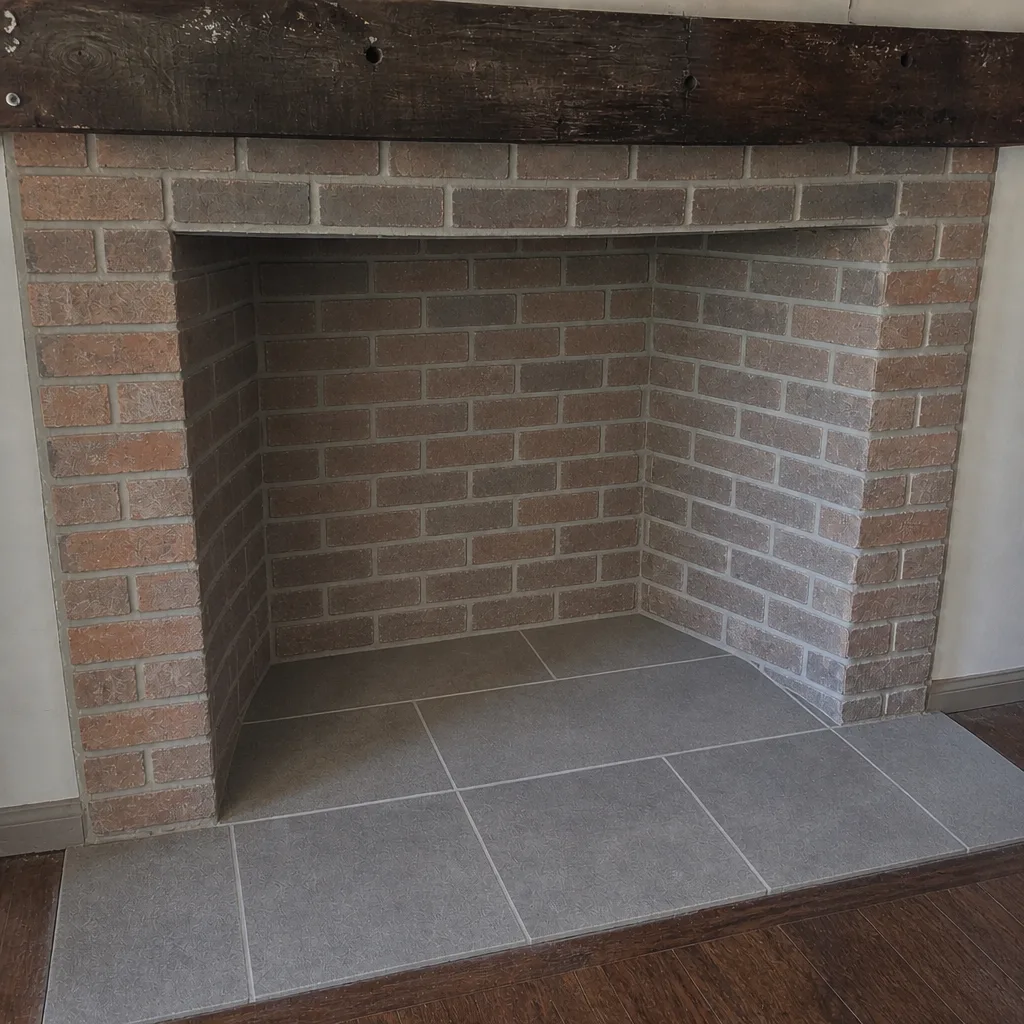
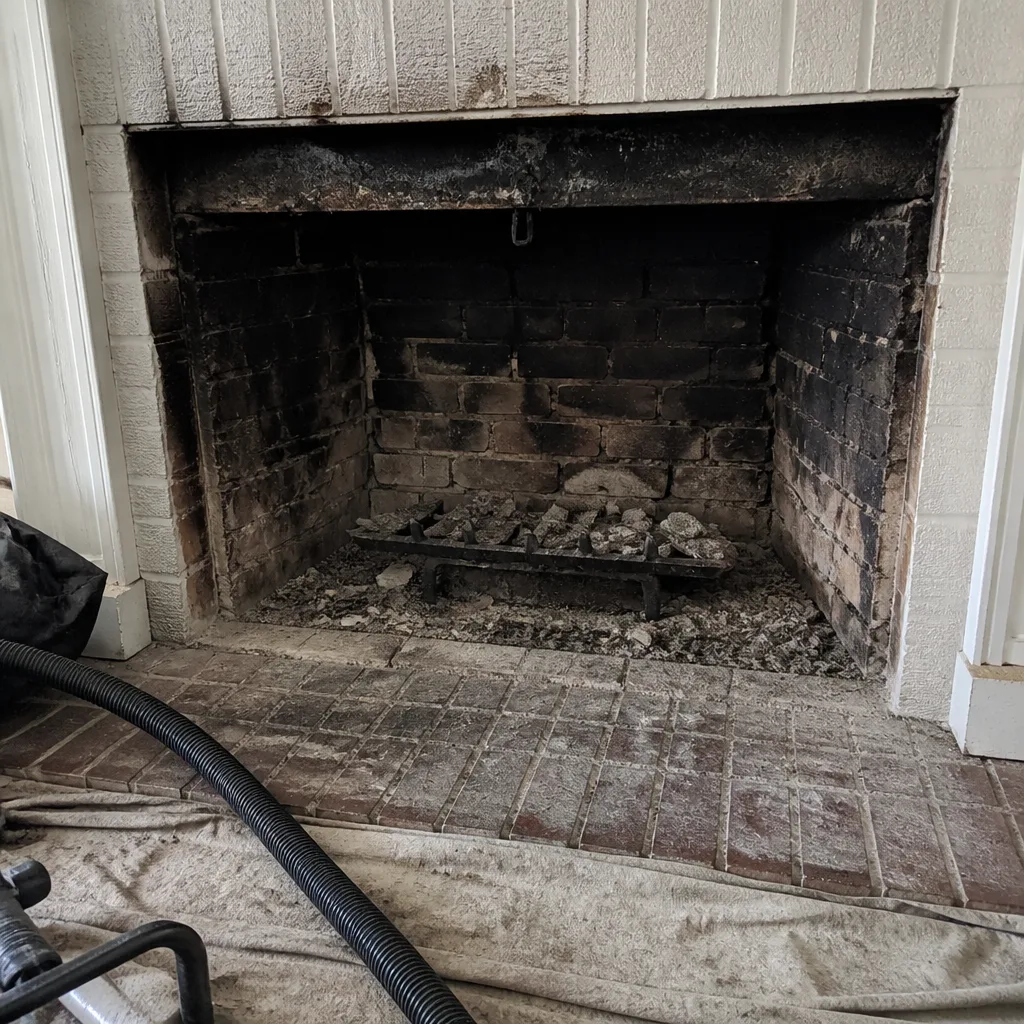
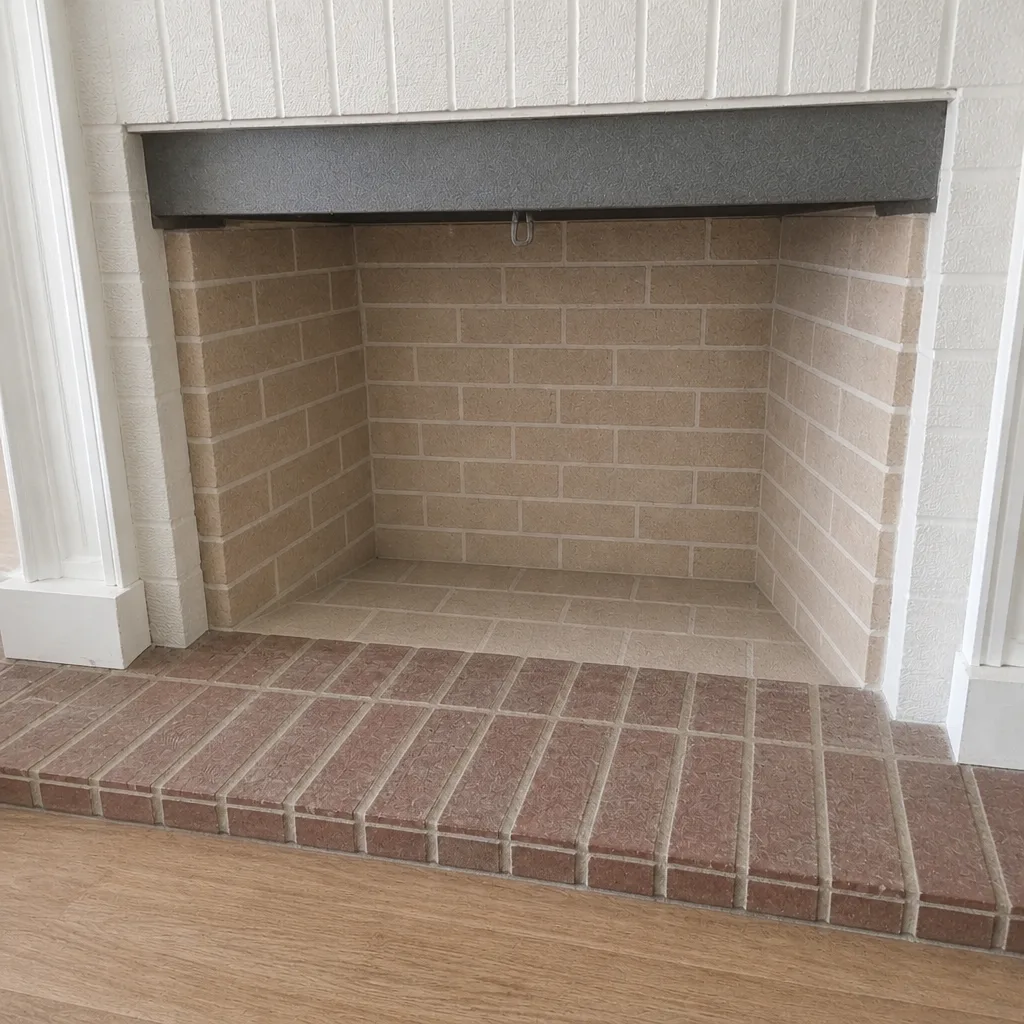
See the difference
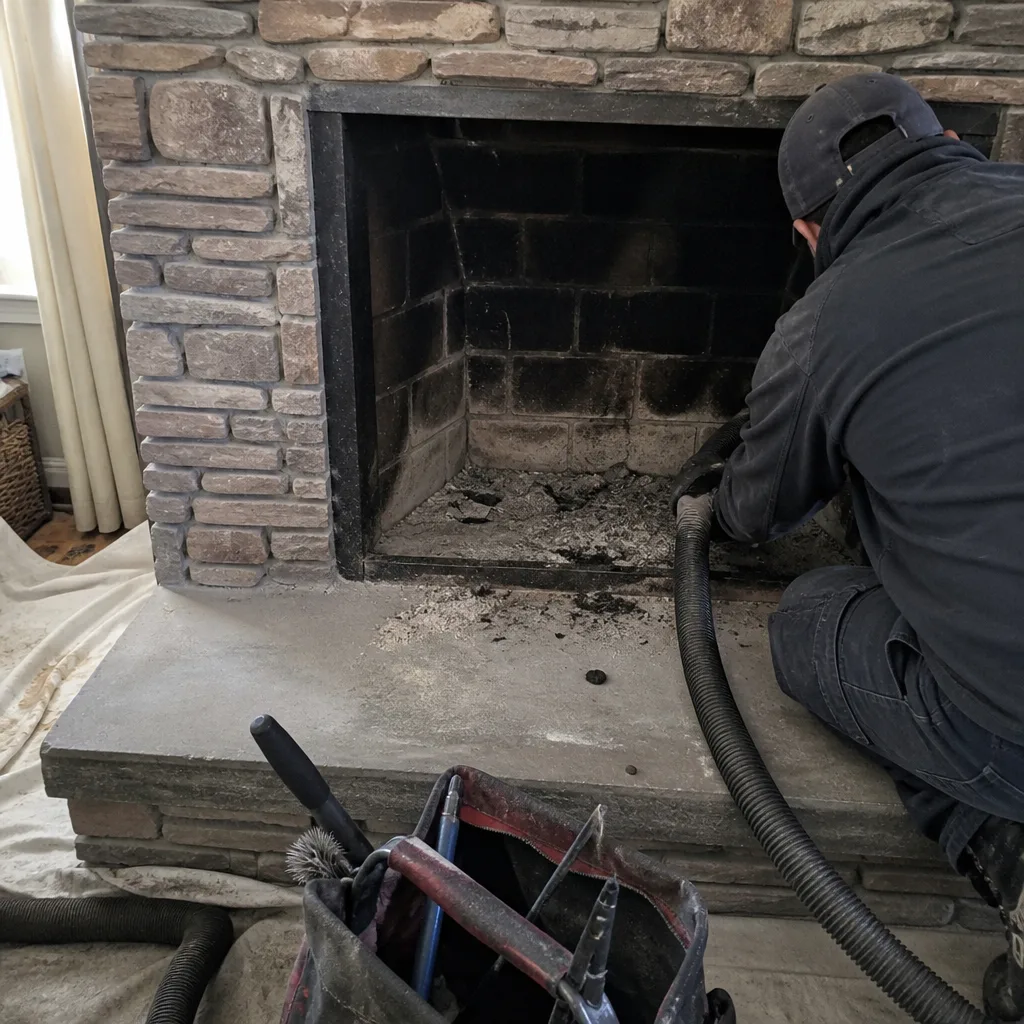 Before
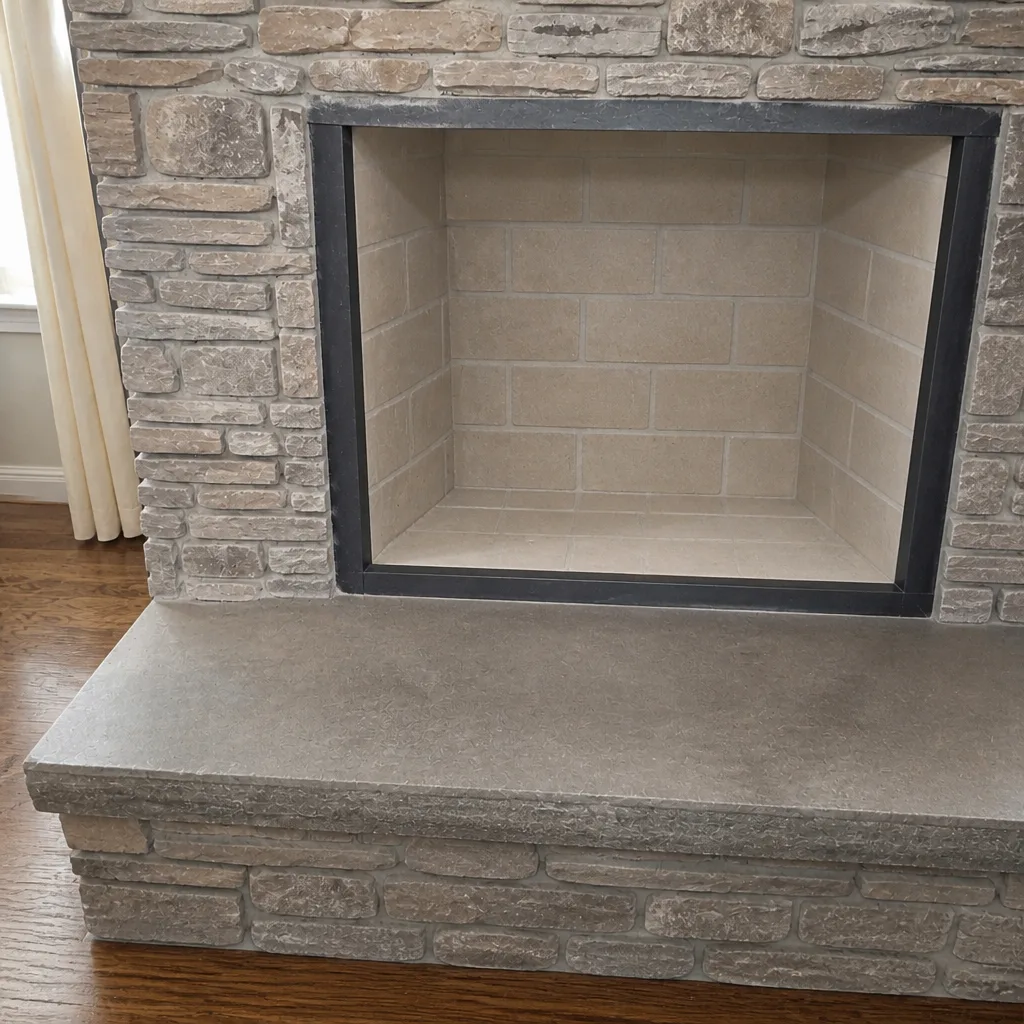 After
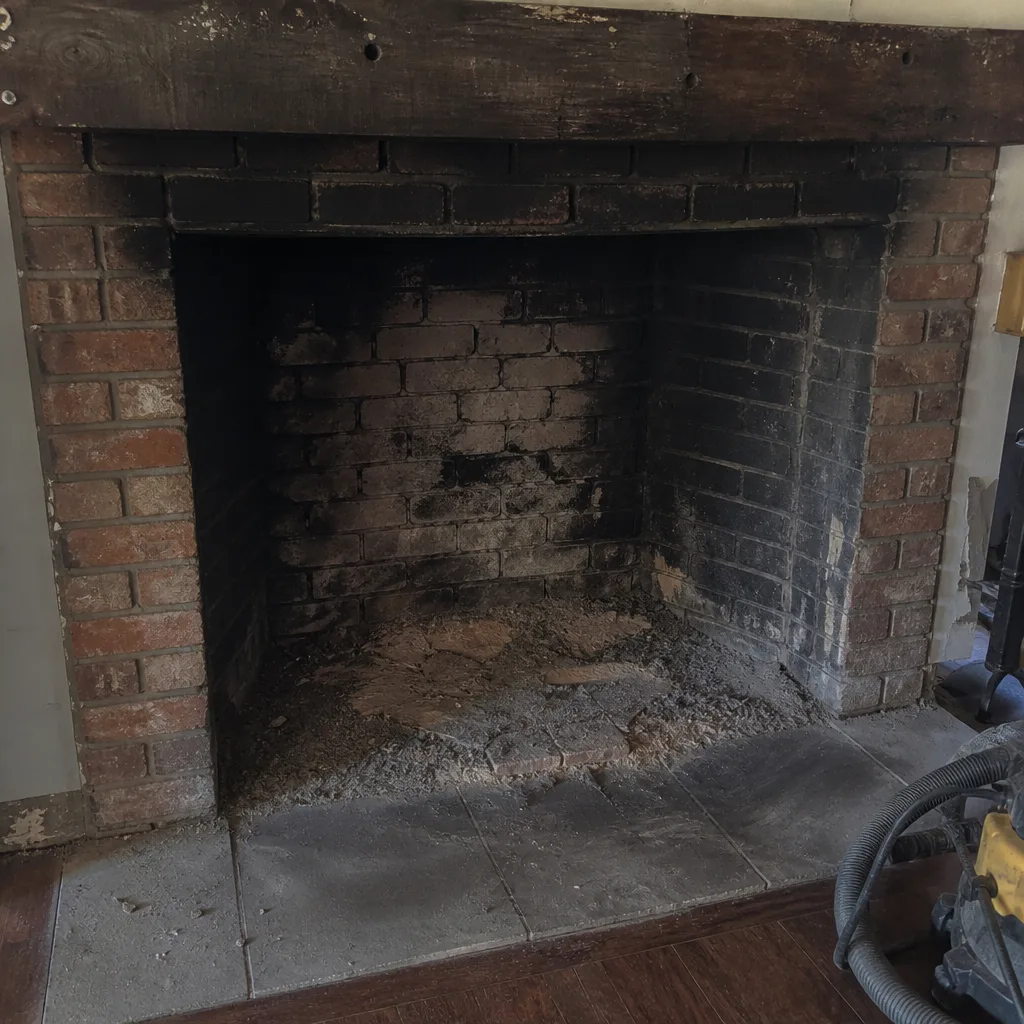 Before
 After
 Before
 After
When to Call a Professional
Call a professional when the creosote has reached a stage a brush alone won’t clear, when you notice water staining or a cracked crown, when the cap is missing or damaged, or when it’s been long enough since the last sweep that you genuinely don’t know what’s inside the flue. Call us too if you’re buying or selling a home in Pleasant Grove and need an inspection you can rely on. None of these require you to climb onto the roof or reach into a flue. The work happens inside a system that has vented fire, and that’s a trained professional’s job. Pleasant Grove Chimney Sweep offers free estimates in Pleasant Grove. Call (833) 509-5365. We answer 24/7. Fast dispatch from 7am to 7pm, Sunday through Friday.
Frequently Asked Questions
The best brands are the professional-trade lines: DuraFlex for liner systems, HeatShield for resurfacing, Gelco and Copperfield for crown and sealing work, and Olympia Chimney and Famco for related components. For creosote, the products that do real chemical work are built on trisodium compounds, not the retail sprays. Call (833) 509-5365 for an exact quote. Our estimates are free.
A chimney sweep is priced per job by a written estimate after we see the flue, because a light first-stage deposit and a glazed third-stage one are different jobs. We agree on the flat price before booking, so there’s no surprise on the day. Call (833) 509-5365 for a free estimate.
It depends on the condition of the liner, which is what an inspection establishes. A deteriorated but structurally sound liner can often be restored with HeatShield resurfacing, a certified application that general contractors typically don’t offer. A failed liner needs a full reline. Either way, you’ll see the camera evidence before we recommend anything. Call (833) 509-5365 to book an inspection.
Sweep based on how much you burn and what you burn, not on a fixed calendar. A homeowner who burns regularly through the season needs more frequent sweeping than someone who lights a fire a few times a year. The camera inspection tells you the actual deposit stage, which is a better guide than a general rule. Call (833) 509-5365 and we’ll help you plan it.
Creosote accumulates, and as it moves from flaky to glazed it becomes harder to remove and more likely to ignite. A blocked or restricted flue also affects how combustion gases vent, which matters for carbon monoxide. Skipping isn’t a small risk, and it’s affordable to prevent. Call (833) 509-5365 for a free estimate.
Yes. A cap keeps rain, snow, and animals out and sparks in, and it protects the flue tile from direct weather. The key is the specification: mesh size, steel gauge, and a geometry that holds up to local wind. A cheap cap that fails in a season costs more than a proper one. Call (833) 509-5365 to talk through cap options.
If you want to know more about the full range of services we offer around the system, spend a few minutes on the Pleasant Grove Chimney Sweep home page, and if the firebox is where your problem shows up, fireplace repair covers that side of the work.
The Bottom Line
The brand on the box isn’t the point on its own. The point is that professional-trade materials are specified, measurable, and built for the job, while retail substitutes are built to a price. DuraFlex liners, HeatShield resurfacing, and Gelco and Copperfield crown products exist because chimney systems ask specific things of their materials, and Pleasant Grove’s freeze-thaw winters and wind ask more than most. Ask your contractor what brand they use and why. Ask what gauge the cap is and what stage the creosote is in. A specialist can answer all of it, and a generalist usually can’t.
Call Pleasant Grove Chimney Sweep at (833) 509-5365 for a free estimate. We answer 24/7. Fast dispatch from 7am to 7pm, Sunday through Friday.
Written by the team at Pleasant Grove Chimney Sweep.