
Last updated November 24, 2026
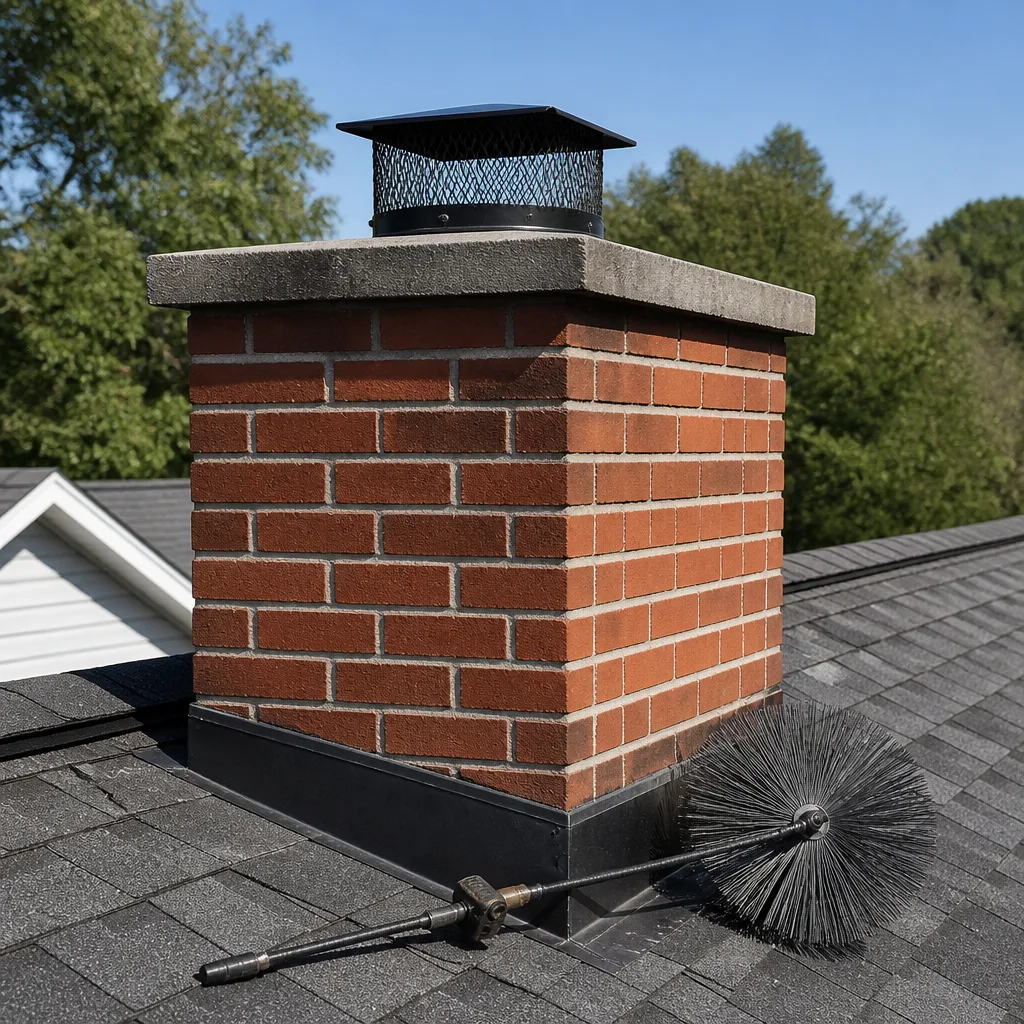 Sweep & inspection
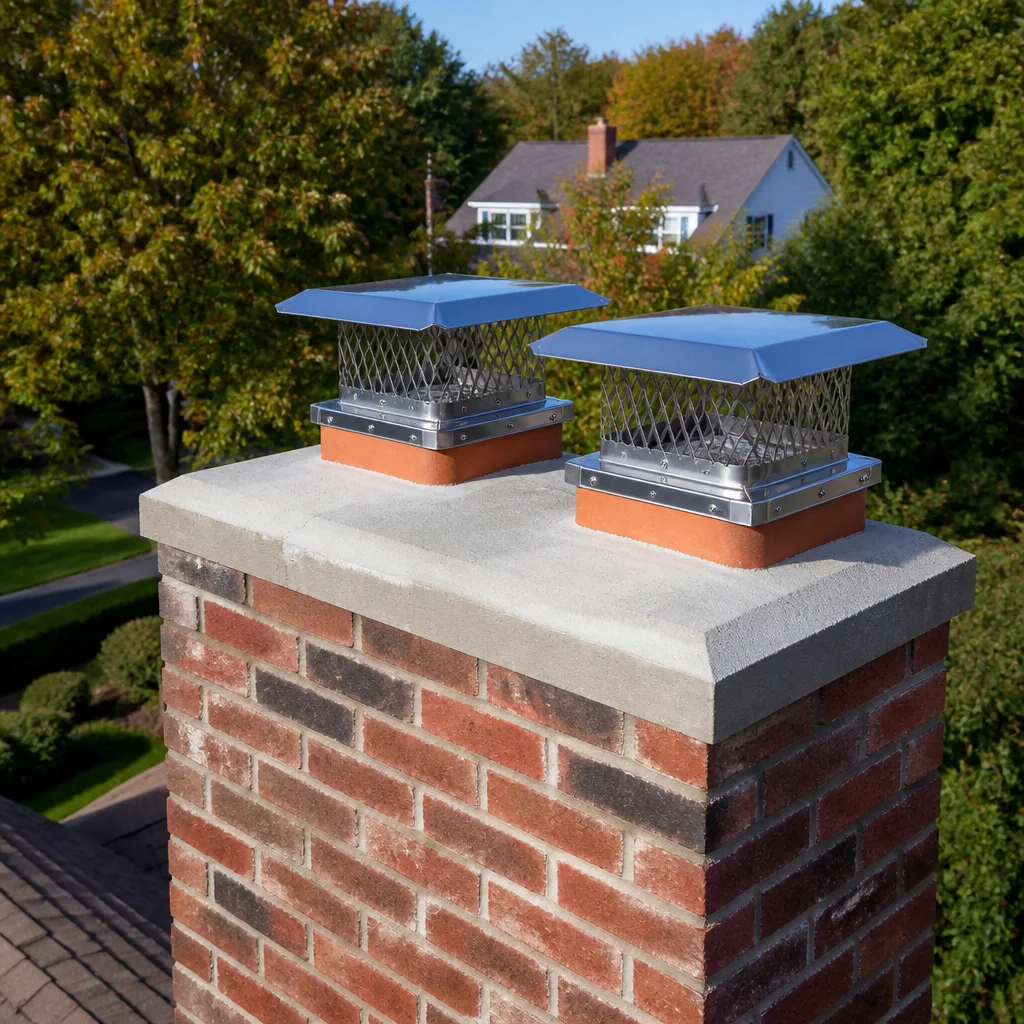 Caps & crowns
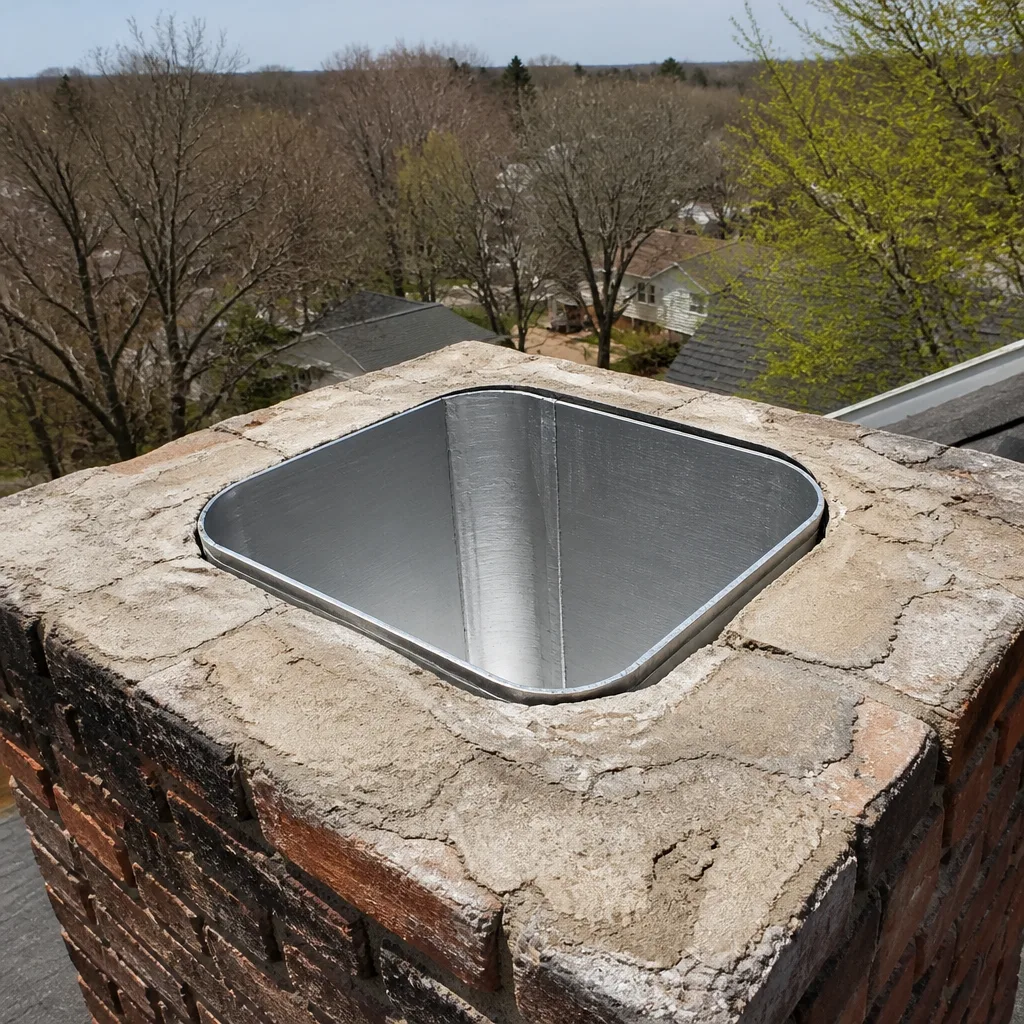 Flue relining
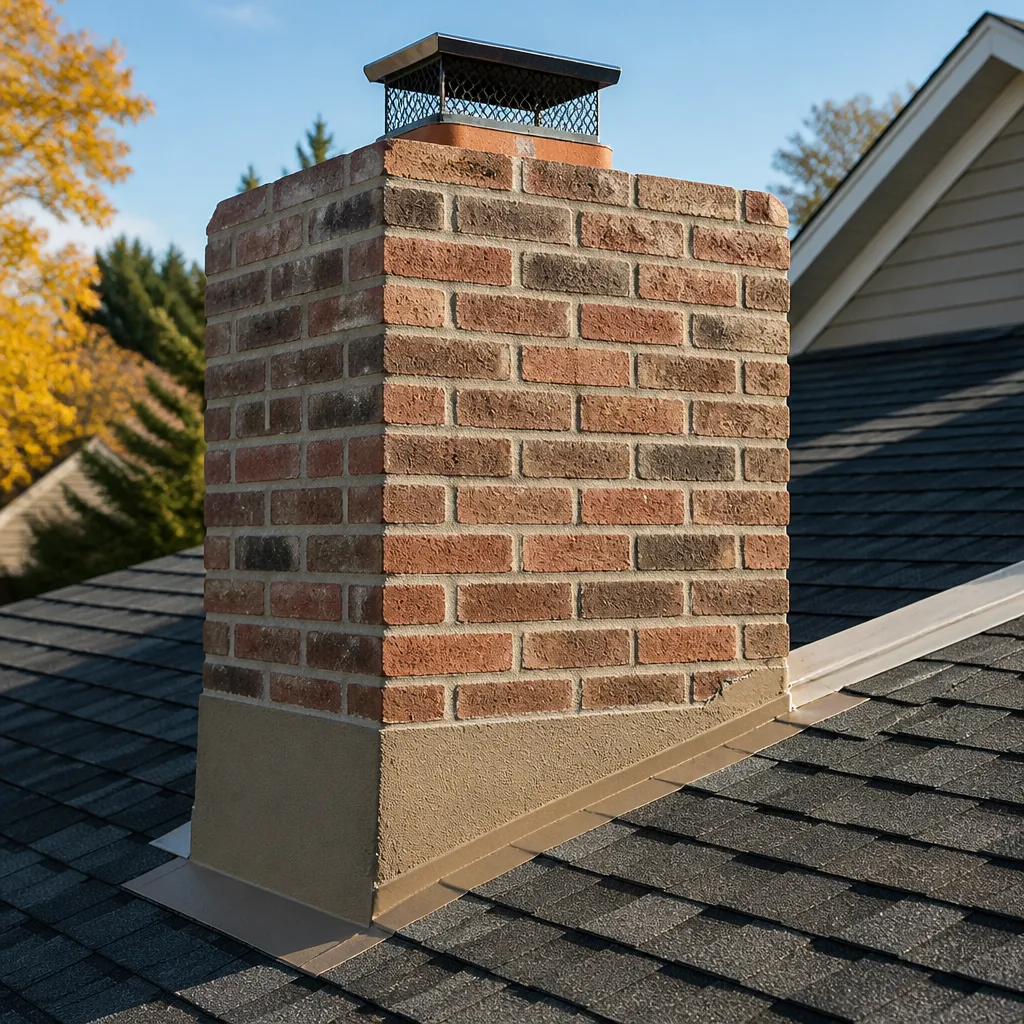 Masonry repair
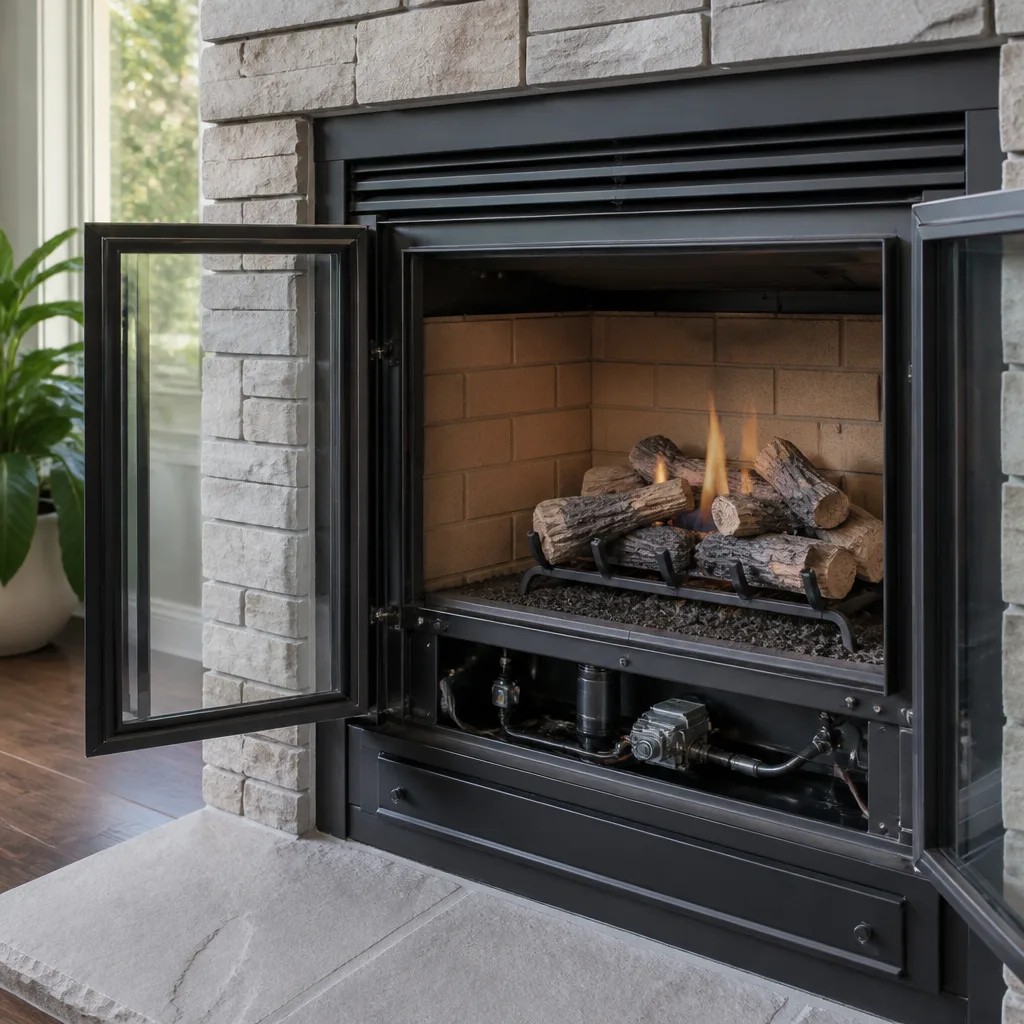 Gas fireplace service
Level 1 sweep and inspection to the NFPA 211 annual standard - flue, crown, cap, and flashing checked and photographed
Chimney sweep logs do not sweep chimneys. They loosen some creosote - which then falls where a brush and vacuum still have to collect it.
DIY vs Professional Chimney Cleaning: The Pleasant Grove Homeowner’s Decision Guide
You can physically brush a flue without professional training. That part is true, and the brush kits sold online will do what they say on the box. The problem comes after the brushing. Running a brush down a chimney without inspecting what’s inside is like changing your oil without checking for a coolant leak: you’ve done maintenance, but you’ve missed the thing that could actually hurt you. Creosote stage, hairline cracks in a flue tile, a crown that’s quietly letting water into the masonry, a firebox joint that’s pulled loose – none of these show up on a flashlight and a phone photo taken from the damper. This guide draws the honest line between what a Pleasant Grove homeowner can do safely and what genuinely requires a trained eye, proper lighting and an inspection camera.
Quick Answer
DIY chimney cleaning is safe and reasonable for basic ash removal, exterior cap and crown inspection from the ground, and a visual check of the firebox before the season starts. Actual flue sweeping, creosote stage assessment and anything involving the liner or masonry should go to a professional, because the assessment matters more than the brushing and you can’t assess what you can’t see. Our technicians have up to 14 years of experience, and the reason we carry an inspection camera on every job isn’t the sweep – it’s the assessment.
Styles & brands we work with
- Sweep & inspection
- Caps & crowns
- Flue relining
- Masonry repair
- Gas fireplace service
Table of Contents
- What DIY Chimney Work Can Genuinely Handle
- Why Creosote Stage Assessment Is the Real Work
- What Consumer Brush Kits Can and Cannot Remove
- The Inspection Camera Problem
- The Liability Reality: DIY Cleaning and Insurance Claims in Utah
- The Decision Matrix: Home Age, Chimney Type, Usage and Last Service
- Pleasant Grove Chimney Context: Climate, Housing Stock and What We Actually See
- Sweep vs. Clean: What the Difference Means for Your Decision
What DIY Chimney Work Can Genuinely Handle
There is real work a homeowner can do safely, and we’ll never talk you out of it. Ash removal is the clearest example. Once the firebox is cold and the ashes have sat for at least a couple of days, shoveling out the firebox and hauling ash to the curb in a metal container is straightforward, and it’s genuinely useful between professional sweeps. The same goes for a visual firebox check: lean in with a bright light and look at the brick joints, the damper plate, and the smoke shelf for anything that looks loose, cracked or shiny.
Exterior inspection from ground level is also fair game. Get a pair of binoculars and look at the chimney cap, the crown and the top few courses of brick from the yard. You’re looking for a cap that’s bent, a screen that’s torn, a crown with visible cracks or a missing mortar joint. Write down what you see and photograph it. That record is worth something when a professional arrives.
What’s safe to do yourself:
- Cold ash removal from the firebox, using a metal container with a lid
- Visual firebox inspection with a bright light
- Ground-level exterior inspection of cap, crown, brick and flashing
- Clearing debris off the top of a flat crown (never climbing onto a steep roof)
- Checking that the damper opens, closes and seals cleanly
- Confirming the cap’s spark screen is intact
What none of that does is tell you how much creosote has built up on the upper flue walls, whether the liner is sound, or whether the crown is actively pulling water into the masonry. For those, you need a view from the top down and the bottom up with proper lighting – and a trained eye to interpret it. If you’d rather start with a straight assessment, a standalone inspection from a chimney sweep in Pleasant Grove is the cleanest way to know what you’re working with before the first fire of the season.
Why Creosote Stage Assessment Is the Real Work
Creosote is the part of chimney service that homeowners misunderstand most. Every wood fire leaves deposits on the flue walls – the amount depends on burn temperature, wood moisture and how much air the fire gets. Those deposits come in three recognizable stages, and the stage matters far more than the quantity.
Stage 1 is light, dusty, flaky creosote that brushes off easily. It looks like a thin dusting on the flue walls and is what you’ll see after a season of reasonably hot fires with dry wood.
Stage 2 is denser and darker – a crusty, sometimes shiny layer that clings. It’s harder to remove than Stage 1, and a consumer brush will make a dent but won’t clear it fully.
Stage 3 is glazed, hard and tar-like. It looks almost like black glass on the flue walls. At Stage 3 the chimney is at genuine risk, because the material is highly combustible and can’t be brushed off with standard tools. It requires professional rotary equipment, and sometimes chemical treatment over time followed by rotary work.
Diagnosing which stage you’re looking at isn’t a judgment call you can make from a photo taken with a phone into a dark flue. It requires direct lighting, a good camera, and someone who has climbed into a chimney a few hundred times and knows the difference between heavy Stage 1 and light Stage 2 on sight. That’s the “assessment” part of every professional chimney service, and it’s why we don’t treat sweeping and inspecting as separate favors. They’re two halves of the same visit.
What Consumer Brush Kits Can and Cannot Remove
Consumer chimney brush kits come in two basic forms: a round wire brush on flexible rods, and a round poly brush on rods. Both work the same way – you push or pull the brush through the flue to scrape deposits off the walls. They are honest tools, and they remove what they touch.
What they handle well:
- Loose soot and light Stage 1 creosote on a straight flue
- Lint and debris from a gas insert flue when used gently (often not needed at all)
- Nest debris, if the brush can reach it
What they struggle with:
- Stage 2 creosote, which tends to smear and glaze under a consumer brush rather than release
- Stage 3 glazed creosote, which brushes don’t’ move
- Any obstruction the rod can’t safely reach at the flue’s bend or offset
- Flue tile damage, which can be worsened by an aggressive consumer rod
Professional rotary systems are different equipment entirely – a spinning brush head driven by a motor, sized to the flue interior, with enough torque to strip Stage 2 material cleanly. In our experience the gap between a consumer kit and a rotary system isn’t a matter of care or effort. It’s the difference between a tool that agitates the surface and a tool that actually clears it. That’s why professional-grade tools aren’t a convenience upsell; they’re the reason a sweep takes the time it takes.
The Inspection Camera Problem
A flashlight and a phone won’t’ show you the flue. This is the honest limit no online DIY guide will tell you, because most of them were written by people who’ve never actually run a camera down a chimney.
Here’s what an inspection camera shows that a flashlight can’t:
- The interior surface of the liner on every side – not just the front face a flashlight hits
- Hairline cracks in clay flue tiles that run on the back of the liner where nothing is visible from the firebox
- Missing mortar at tile joints and gaps between tiles that open with thermal cycling
- Creosote distribution across the full height of the flue, not just what’s reachable from the damper
- Roof-level conditions – a partially collapsed crown, a liner top that isn’t sealed to the crown, a cap sitting askew
- Whether a liner is properly sized and continuous, which is critical for gas inserts
We run a camera on every job and we show the homeowner the footage, printed or on screen. That’s the whole point. A sweep that reports “all clear” without a camera record is a sweep with less information than it should have, and the homeowner has no way to verify the claim. If you take nothing else from this guide, take this: ask to see the camera footage. It’s the one part of chimney service where you can check our work in real time.
The Liability Reality: DIY Cleaning and Insurance Claims in Utah
This is the part nobody likes to write about, and it matters.
Homeowner’s insurance policies generally require reasonable maintenance of the systems they cover. A chimney is one of those systems. If a chimney fire occurs and the insurer’s investigation finds that the chimney hadn’t’ been professionally inspected or cleaned in a documented way, the claim can become complicated – not automatically denied, because policies and circumstances vary, but subject to a maintenance question the homeowner has to answer. A record of professional service is the cleanest possible answer to that question.
What this means practically for a Pleasant Grove homeowner:
- Keep receipts and reports from professional inspections and sweeps. A written inspection report with photos is worth more than a verbal “it looked fine.”
- If you sweep your own chimney, note the general timing and what you observed. It’s not the same as a professional report, but a documented maintenance habit is better than nothing.
- Most policies don’t’ specify a required sweep interval. They do care about whether the chimney was maintained. Your insurer can tell you what documentation they prefer, and that’s a question worth asking before you need to.
- A professional inspection before a claim issue emerges is the cheapest form of documentation there is.
We can work with your insurer if a claim is already underway and they need service records or an inspection report. What we can’t’ do is make a maintenance question go away after the fact. The time to build the record is before the season, not after the fire.
The Decision Matrix: Home Age, Chimney Type, Usage and Last Service
We get asked “can I just do it myself?” constantly, and the honest answer depends on four inputs. Here’s how to think about it.
Input 1: Last professional service. If a professional has inspected and swept the chimney within the last couple of seasons and you burn a cord or less per year, the chimney is in known condition and you can safely handle ash and light maintenance between scheduled visits. If it’s been three or more seasons – or you don’t know – that’s the first thing to fix, regardless of how handy you are.
Input 2: Home age. Pleasant Grove has a mix of mid-century homes, 1990s subdivisions and newer construction. Older homes often have clay tile liners that have seen decades of thermal cycles and are the most likely to have developed hairline cracks. A camera look is worth more on a 1960s home than on a 2015 build.
Input 3: Chimney type. A modern factory-built fireplace with a stainless liner in a well-maintained home is generally an easier assessment than a masonry chimney with clay tiles. Gas inserts have their own considerations – they generate less creosote but the liner and venting still need to be right, and a camera check confirms that better than anything else.
Input 4: Usage level. A cord of dry, well-seasoned hardwood burned in hot, well-aired fires produces less creosote than the same cord burned green and dampered down. Someone who burns three cords a year with a slow smoldering fire is a different risk profile from someone who burns half a cord in brisk fires.
Put together:
- Low usage, recent professional service, newer chimney: DIY ash and visual work is fine. Schedule a professional inspection on a normal interval.
- Low usage, no service in 3+ years: professional inspection first. DIY comes after.
- Heavy usage, any chimney age: annual professional sweep and inspection. DIY doesn’t remove enough.
- Older masonry chimney, unknown service history: professional inspection with camera. Non-negotiable.
- Gas insert you’ve never had looked at: professional inspection. Cheap compared to the alternative.
Pleasant Grove Chimney Context: Climate, Housing Stock and What We Actually See
Pleasant Grove sits where the valley meets the benches, and that geography shapes what happens to a chimney over a season. Cold nights, freeze-thaw cycles on the exterior masonry, and the seasonal inversion that presses smoke down into the valley all factor into how quickly a chimney accumulates creosote and how much stress the crown and cap take each winter.
What we see regularly in Pleasant Grove:
- Crowns with freeze-crack damage on north-facing chimneys, because the crown holds snow melt longer on that side
- Caps with rusted-out screens from years of wet-dry cycles, which lets birds and debris in
- Clay tile liners in older neighborhoods that have picked up hairline cracks and need to be seen before another season of thermal cycling widens them
- Fireboxes in homes where wood has been burned heavily for years, with mortar joints that are starting to fail and can be repointed before the damage spreads
The climate here means the chimney system takes a real beating between seasons, and that’s an argument for a professional look at least once a year. Water intrusion through a failed crown is the single most common long-term damage we diagnose, and it happens quietly. By the time the homeowner sees a stain inside the house, the masonry behind the flue has often been taking on water for multiple seasons. A cap and crown inspection catches it early, and crown repair or replacement is a straightforward, low-drama service when the issue is caught in time. If you’re seeing actual interior evidence of water or a failed flue, that’s a chimney repair conversation, not a cleaning.
Sweep vs. Clean: What the Difference Means for Your Decision
The words get used interchangeably, and they shouldn’t. A “cleaning” is the physical removal of ash, soot and creosote. A “sweep” is the whole service – the cleaning plus the inspection that tells you what condition the chimney system is actually in.
When you book a professional sweep, here’s what the visit involves:
- Interior protection – drop cloths, a sealed work area, HEPA vacuum running throughout
- Firebox and damper inspection with bright lighting
- Camera inspection of the flue from the firebox to the top, with footage captured
- Rotary brushing of the flue sized to the liner interior
- Exterior inspection of cap, crown, flashing and chimney top
- Written report of findings, with photos, and a clear recommendation on what needs doing now versus what can wait
When you DIY-clean, you get step 4 – and only if your kit can reach the lining material and the creosote stage. Steps 1, 2, 3, 5 and 6 don’t happen. That’s not a knock on you; those steps require equipment and training that the DIY route doesn’t provide. The value of the professional sweep is unevenly weighted toward the assessment, not the brushing.
Which is why we offer inspection as a standalone service. If you’ve been cleaning your own chimney and want a professional opinion on condition – no commitment to any work – a standalone inspection tells you what you’re working with. Nothing gets recommended without camera evidence you can see for yourself.
Common Mistakes to Avoid
- Assuming a clean-looking firebox means a clean flue. The firebox and the flue are different surfaces with different deposit patterns. A bright firebox tells you nothing about the flue walls overhead.
- Sweeping without inspecting. A brush without an inspection is a maintenance action that leaves the actual diagnosis undone. You need the camera view more than you need the brush stroke.
- Letting a chimney sit unlooked-at for more than a few seasons because nothing has gone wrong. Chimney problems don’t announce themselves. Most serious issues we find in Pleasant Grove homes are quiet until the season they aren’t’ – a crown crack that water has been working on, a flue tile that’s been spidering for years.
- Burning unseasoned wood to save a little money. Wet wood burns cool, produces heavy creosote and accelerates the deposit rate on your flue. Season it or skip it.
- Climbing onto a steep or icy roof to inspect the chimney yourself. The exterior portion of a chimney can be checked from the ground with binoculars and a camera. The climb is where homeowners get hurt, and the view isn’t’ better than what a trained technician gets on a properly secured ladder.
- Using a consumer brush on a factory-built fireplace without checking the liner spec. Some liners don’t take well to aggressive brushing. The manual for your appliance is the authority on this.
- Waiting until the first cold snap to call. The busiest weeks of the chimney season are the three before the first hard freeze. Schedule before you need it and you’re in known condition through the winter.
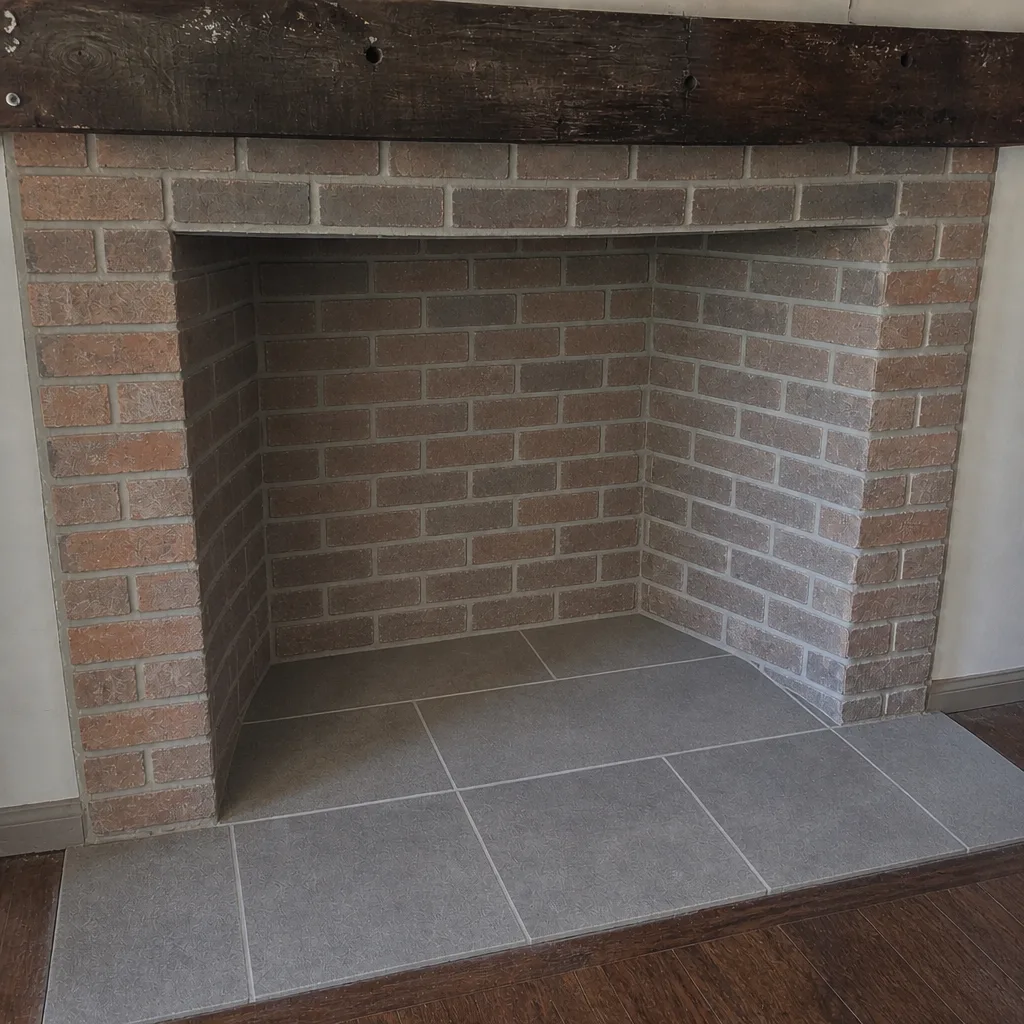
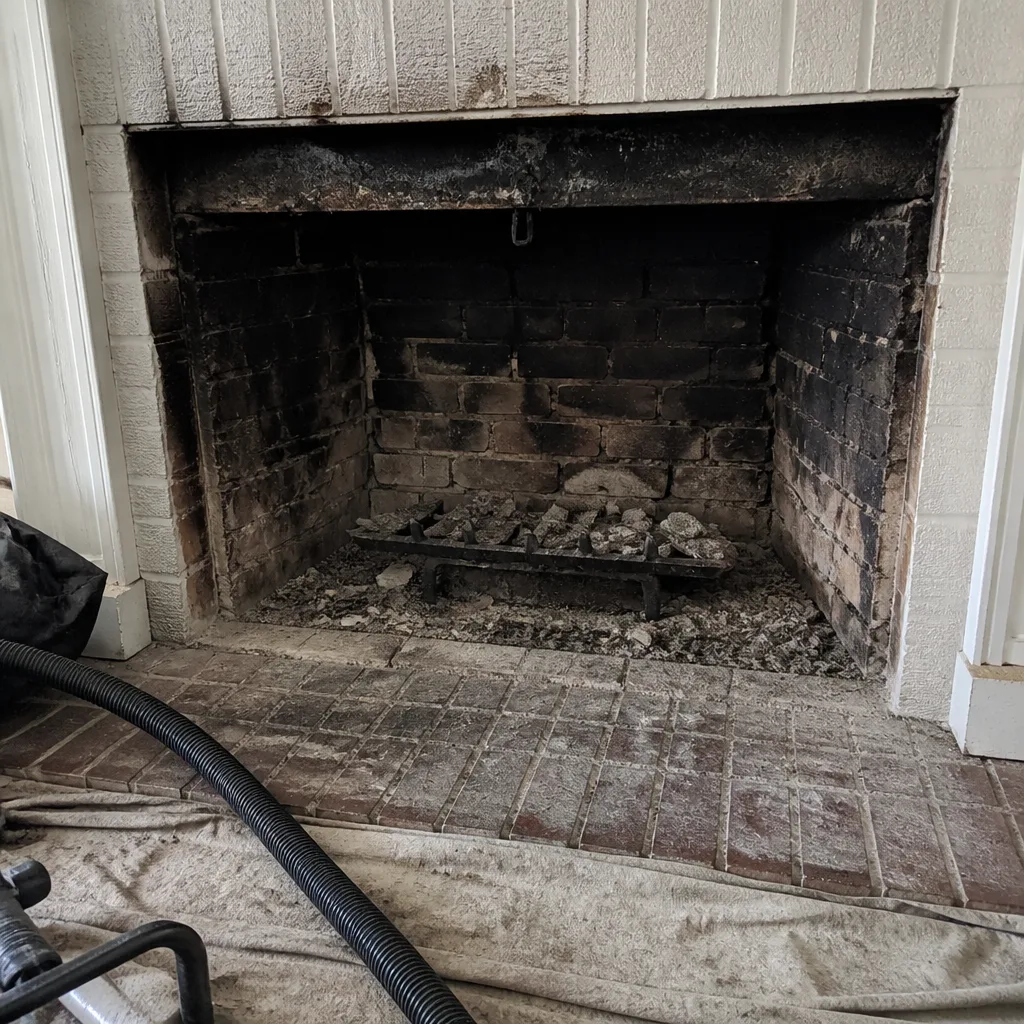
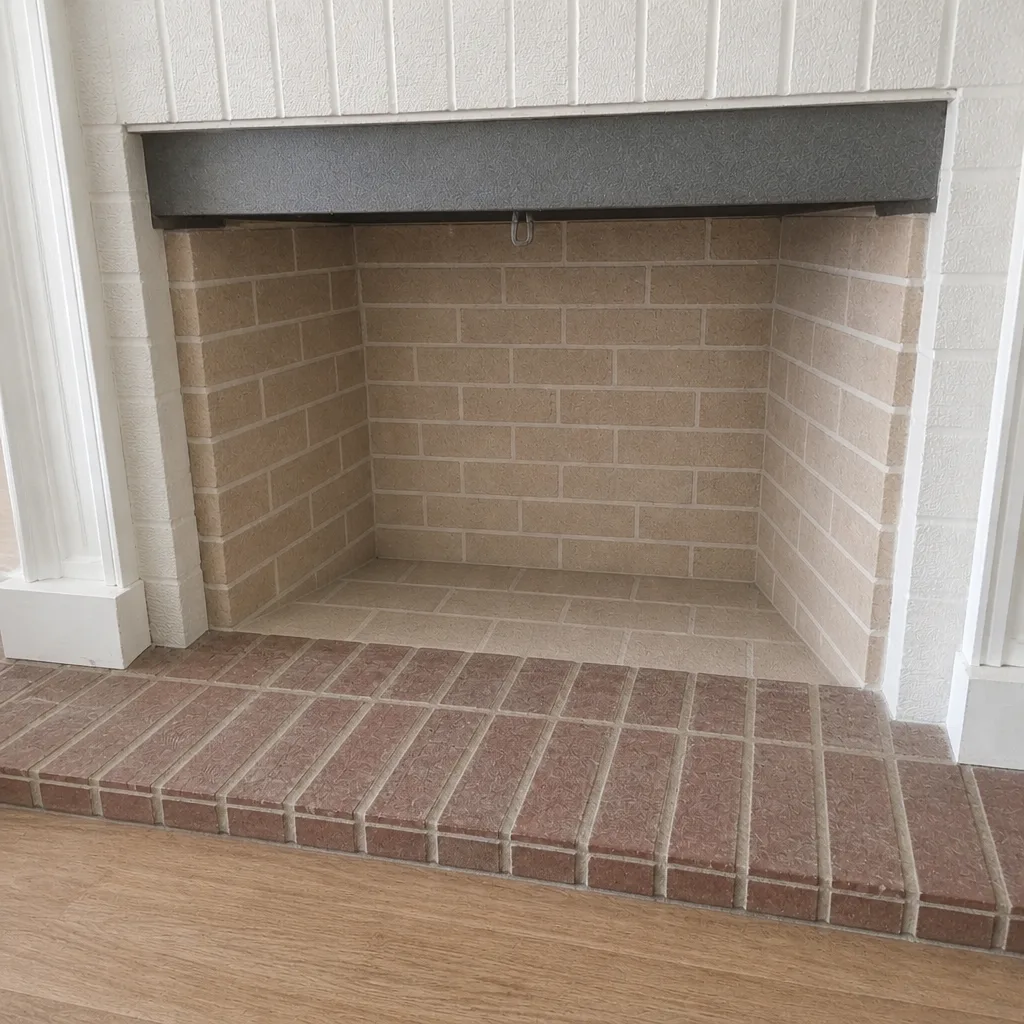
See the difference
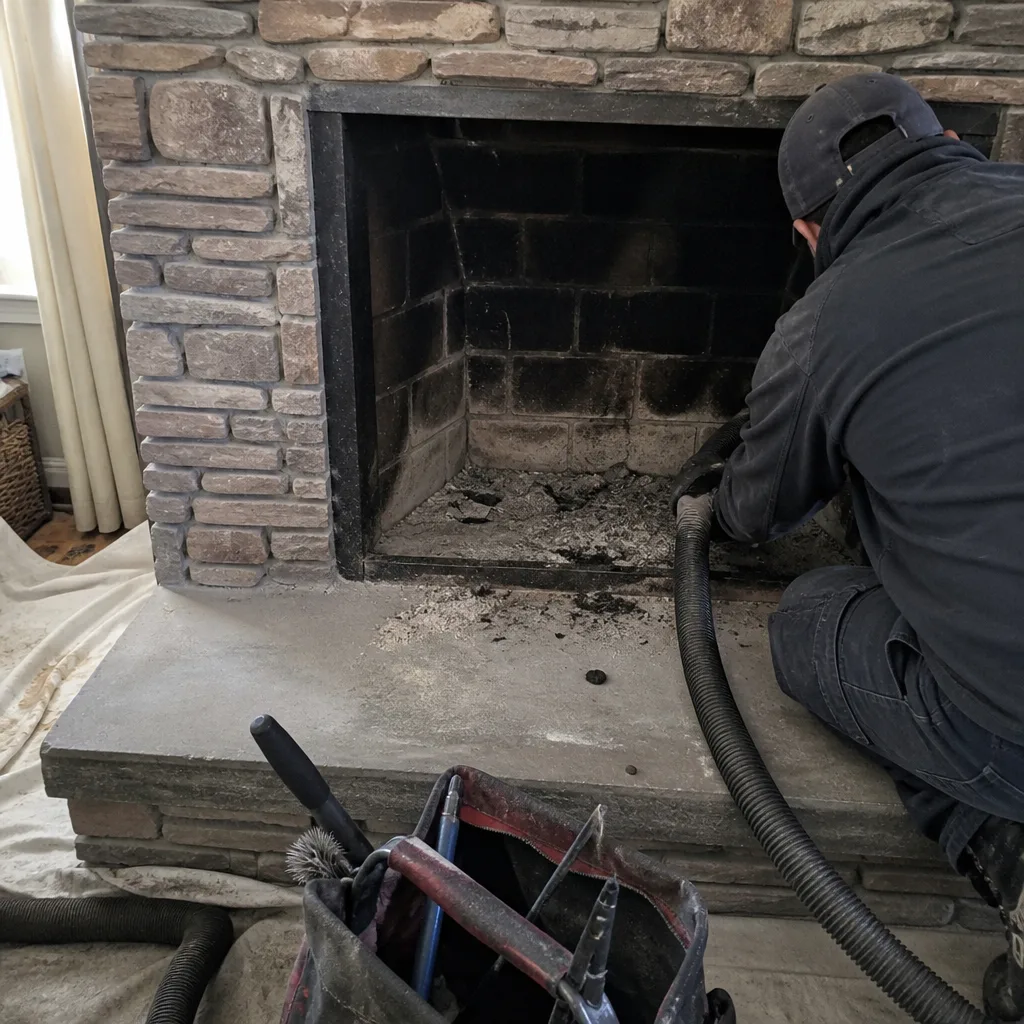 Before
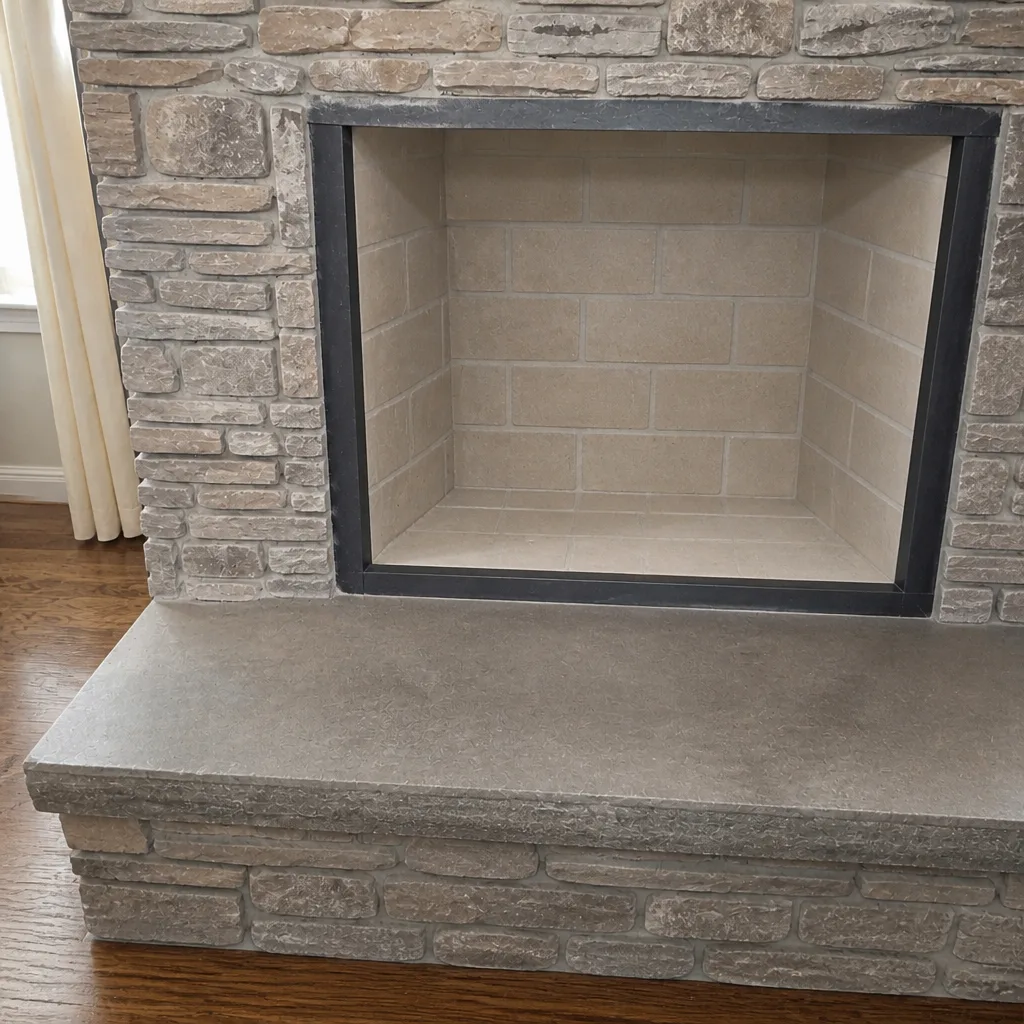 After
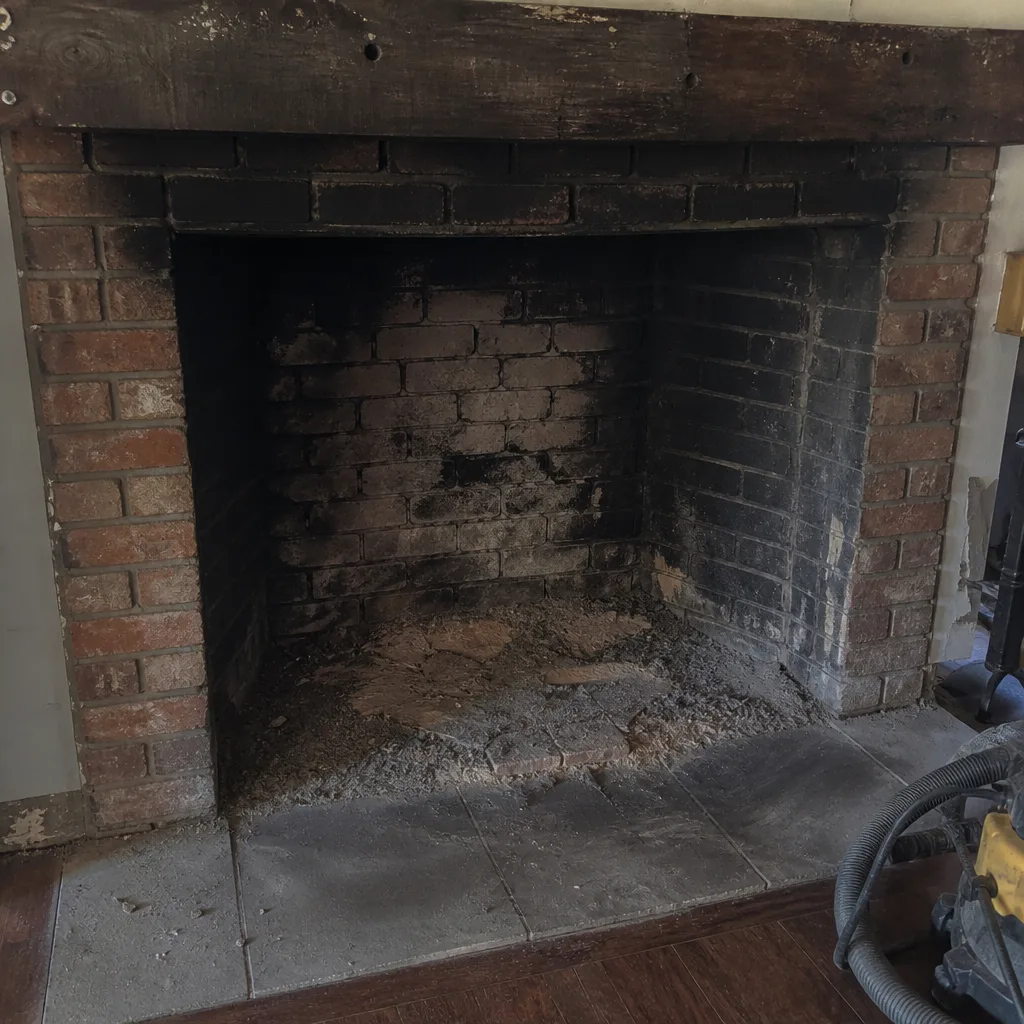 Before
 After
 Before
 After
When to Call a Professional
Call a professional if any of these apply: you don’t know when the chimney was last inspected, a professional hasn’t’ been out in three or more seasons, you burn a cord or more per year, you’ve noticed a strong smoky smell in the house when the fireplace isn’t running, the firebox has loose or crumbling mortar, there’s water staining on the masonry or the ceiling, the cap is bent or the spark screen is torn, you’ve had a chimney fire, or you’re selling or buying a home in Pleasant Grove and need documentation of condition. Call us before the first fire of the season and we’ll get eyes on the whole chimney system from the firebox to the crown. Pleasant Grove Chimney Sweep offers free estimates in Pleasant Grove – call (833) 509-5365. We answer 24/7. Fast dispatch from 7am to 7pm, Sunday through Friday.
Frequently Asked Questions
You can physically run a brush through a straight flue without training, and the consumer kits sold for this work do what they say. What you can’t’ do without training is assess what you’re looking at – creosote stage, liner condition, hairline tile cracks – and that assessment is the part that actually protects the house. If you want to DIY the brushing on a low-usage chimney that’s recently been professionally inspected, that’s reasonable. If it’s been years since a professional has seen it, start there.
Once a year is the standard baseline for a home that burns regularly, and it’s the right rhythm for most Pleasant Grove wood-burning fireplaces through an average winter. Heavy users – multiple cords a year, slow smoldering fires – should be on an annual sweep with an inspection. Gas insert owners can often go a bit longer between cleanings but still want an annual inspection to confirm the venting and liner are sound. Call (833) 509-5365 for an exact quote on your fireplace – estimates are free.
A professional sweep includes the camera inspection, the written report with photos, and the trained assessment of creosote stage and liner condition – none of which DIY covers. Beyond the flue cleanup itself, the visit includes a firebox and damper check, an exterior inspection of the cap and crown, and a clear recommendation on what needs doing now versus what can safely wait. That’s the difference between a cleaning and an actual chimney service.
It can complicate a claim if a chimney fire occurs and the insurer’s investigation raises a maintenance question. Policies vary, so the honest answer is: check with your insurer on what documentation they prefer, and keep records of any maintenance you do yourself. A professional inspection report from a Pleasant Grove company is a much cleaner form of documentation, and we can work with your insurer if a claim is already underway. The time to get the record in place is before the season, not after the fire.
You can’t reliably tell from the firebox with a flashlight, and that’s the honest answer. Stage 3 glazed creosote looks like black glass on the flue walls and requires rotary or chemical treatment – a brush won’t move it. Stage 2 is crusty and dark and needs more than a standard brush. The only way to know which stage you’re dealing with is a camera view from the firebox to the top of the flue by someone who’s seen enough chimneys to name what they’re looking at. That’s what our inspection provides, and we show the footage. Call (833) 509-5365 for an exact quote – estimates are free.
No – a professional sweep should include the inspection as part of the visit, and ours does. We also offer inspection as a standalone service for homeowners who’ve been cleaning their own chimney and want a professional opinion on condition without committing to any work. That standalone option exists specifically because an honest assessment shouldn’t be gated behind a purchase. If you want to know what you’re working with, you can find out without being pushed into a repair.
Newer construction still needs a first inspection, and a camera look at the liner and a cap and crown inspection are both worthwhile once the fireplace has seen a season or two of use. Factory-built fireplaces with stainless liners aren’t’ immune to installation issues, cap damage or water intrusion at the crown, and the owners who catch those first generally spend less than the owners who don’t. It’s a small amount of time for the kind of baseline knowledge that makes every future season simpler.
The Bottom Line
DIY chimney work has a real, honest place: ash removal, visual firebox checks, ground-level exterior inspection of the cap and crown. What it doesn’t’ replace is the assessment – the camera inspection and trained eye that tell you what stage of creosote you’re dealing with, whether the liner is sound, and whether the crown is doing its job. The brushing is the visible half of a sweep. The assessment is the half that actually protects the house, and it’s the half you can’t replicate at home. If you’re in Pleasant Grove and haven’t’ had eyes on your chimney system this season, the right first move is a professional inspection – not a brush, not a purchase, just a look. From that, everything else gets decided. And you’ll have the camera footage to check the work for yourself.
Ready to Know What You’re Working With?
From the firebox to the crown, we handle the full chimney system in one visit – sweeping, inspection, cap and crown work, fireplace and chimney repair – using professional-trade materials like Gelco, Olympia Chimney, Famco and Copperfield, and HeatShield resurfacing when a liner needs it. Our technicians have up to 14 years of experience. Call (833) 509-5365 for a free estimate. We answer 24/7. Fast dispatch from 7am to 7pm, Sunday through Friday. We’re closed Saturday. If you’ve already had a sweep and need fireplace repair or want to talk through a full Pleasant Grove Chimney Sweep inspection, the same team handles it. Estimates are free, and the written estimate sets the final price.
Written by the team at Pleasant Grove Chimney Sweep.