
Last updated November 24, 2026
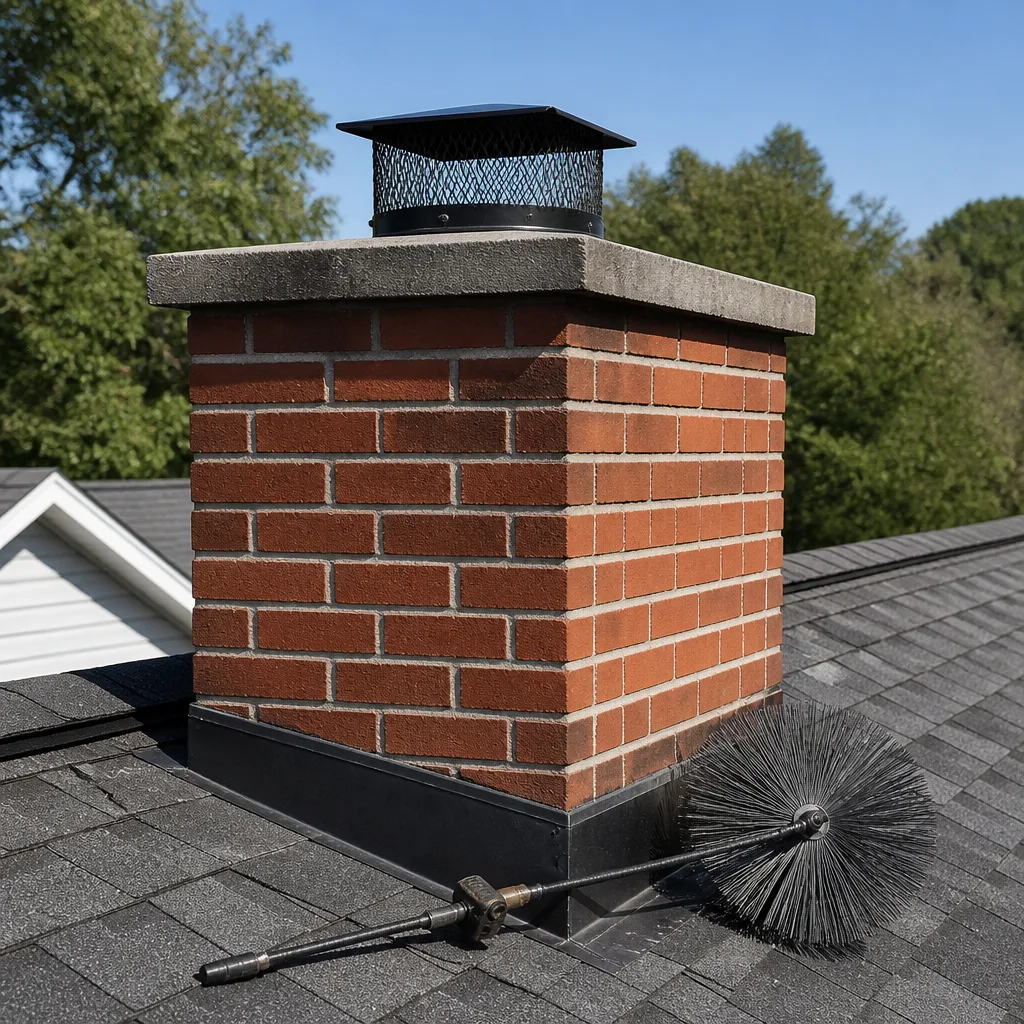 Sweep & inspection
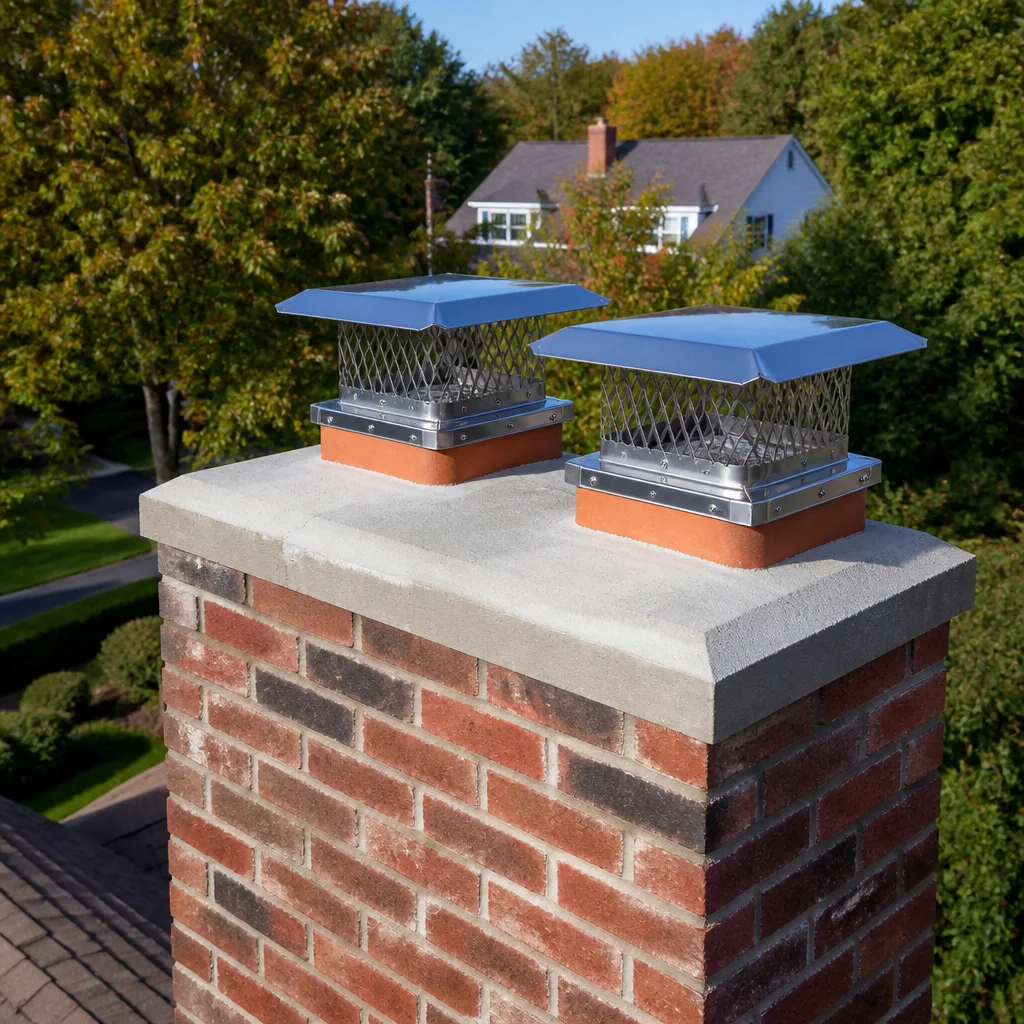 Caps & crowns
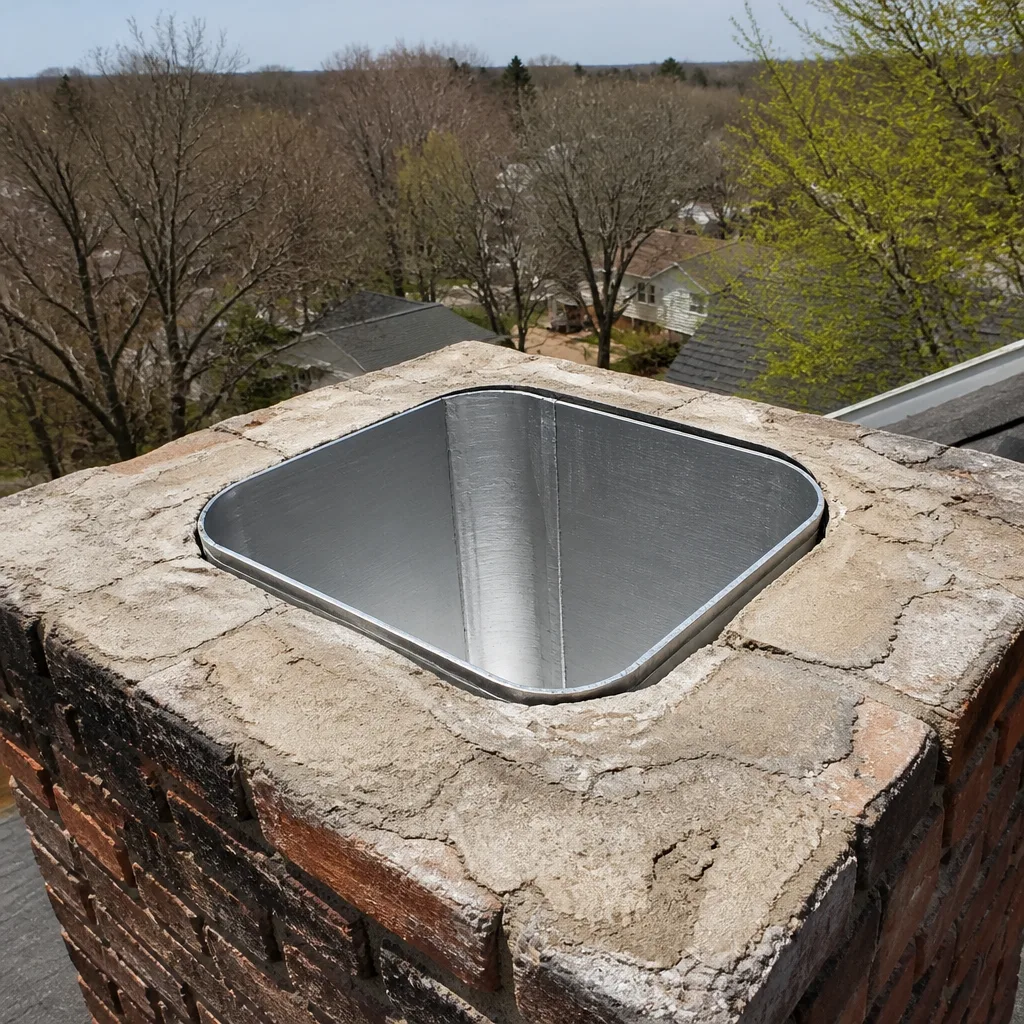 Flue relining
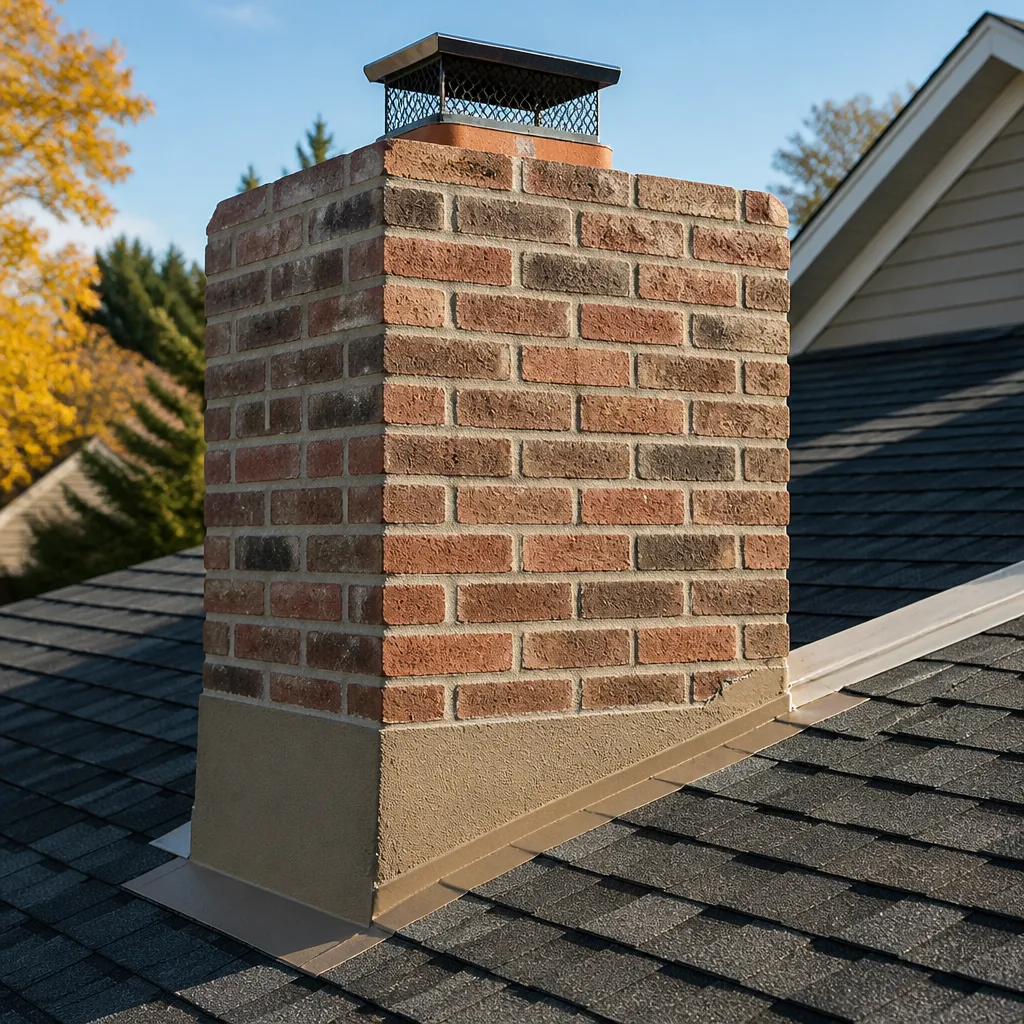 Masonry repair
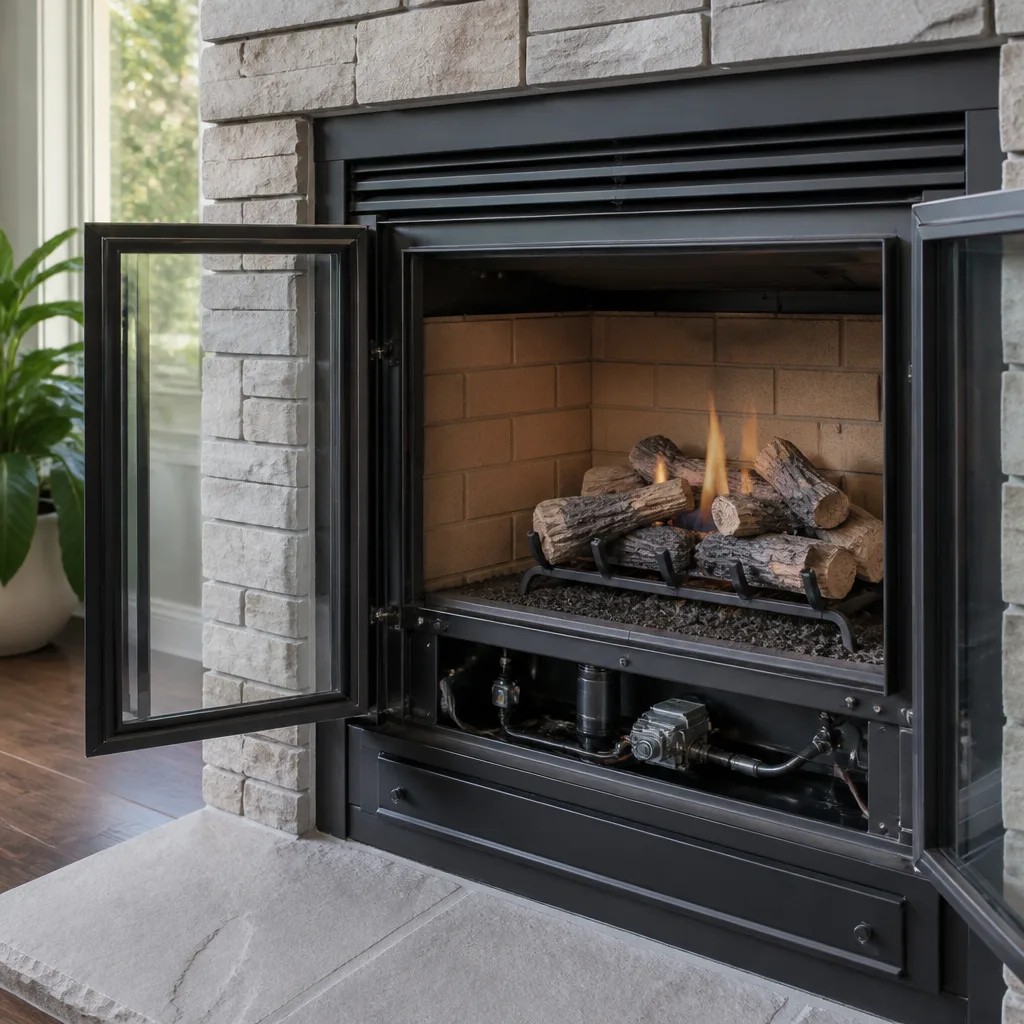 Gas fireplace service
Level 1 sweep and inspection to the NFPA 211 annual standard - flue, crown, cap, and flashing checked and photographed
Chimney sweep logs do not sweep chimneys. They loosen some creosote - which then falls where a brush and vacuum still have to collect it.
Chimney Cleaning Warning Signs: A Pleasant Grove Homeowner’s Reference Guide
Most chimney problems announce themselves long before they become dangerous. The catch is that the signals are quiet: a faint smell in a cold firebox, a thin line of white on the outside brick, a damper plate that suddenly looks chalky. Homeowners walk past these every day because nobody ever told them what they were looking at. That’s the gap this guide fills. What follows is a symptom-to-cause reference built from the work we do across Pleasant Grove, Utah, every season. You’ll learn which smells point to creosote and which point to water, why rust on a damper matters more than the damper itself, how to tell a partial blockage from a draft reversal, and how to sort warning signs into “call this week” versus “add it to the next scheduled appointment.”
Quick Answer
The warning signs that should trigger a chimney cleaning in Pleasant Grove are smoke smell in a cold firebox, a musty or sulfur odor, rust on the damper or firebox, white staining on exterior brick, poor draft with visible smoke rollout, and any black, granular, or flaky buildup visible inside the flue. Smells and visible creosote usually mean the flue is overdue for a sweep. Rust and white staining point to water getting into the chimney system and need a closer inspection. Call a professional for anything involving strong odors, staining, or draft failure; a light soot film can typically wait for your next scheduled appointment.
Styles & brands we work with
- Sweep & inspection
- Caps & crowns
- Flue relining
- Masonry repair
- Gas fireplace service
Table of Contents
- What the Three Chimney Smells Tell You
- Reading Creosote Buildup Before It Becomes a Fire Risk
- Rust on the Damper Plate: What It Signals Above
- White Staining on the Exterior Chimney
- Sound and Airflow Changes: Blockage vs. Draft Reversal
- Same-Week vs. Scheduled: A Triage Framework
- Why Pleasant Grove Chimneys Face Particular Wear
- Common Mistakes to Avoid
What the Three Chimney Smells Tell You
Not all chimney odors mean the same thing. In our experience, homeowners tend to lump every smell into “the chimney smells weird,” and that vagueness is exactly what delays a proper diagnosis. The three smells you’re most likely to notice each point to a different root cause inside the chimney system, and each carries a different urgency.
Smoke smell. A strong smoke smell in a room with a cold, unused fireplace is the one to take seriously. It’s not a draft problem. It usually means the flue has absorbed enough creosote that the material itself is off-gassing into the room, even when nothing is burning. Creosote is combustible, and a flue saturated with it needs a thorough cleaning before the next fire, not a candle to cover the smell. This is the number-one warning sign we want Pleasant Grove homeowners to recognize.
Sulfur smell. A rotten-egg or sulfur odor points away from creosote and toward moisture reacting with soot and residue inside the flue or firebox. It often shows up after a wet stretch, or when the chimney cap or crown has stopped keeping water out. A sulfur smell is a water-intrusion signal, not a combustion signal, and it usually means we need to inspect the cap and crown along with the flue.
Musty smell. Musty is a damp, cellar-like odor and it tracks closely with sulfur but tends to appear earlier and fainter. It’s the smell of a chimney system that stays wet. If your Pleasant Grove home sits on the east bench where snow lingers, musty odors show up more often in late winter and early spring than they do in summer.
Here’s the practical breakdown:
- Smoke smell, cold fireplace: treat as a creosote saturation warning. Schedule a sweep before you use the fireplace again.
- Sulfur smell: treat as moisture getting in. Request an inspection along with the sweep.
- Musty smell: treat as a slow leak somewhere in the chimney system. It can wait a short while, but shouldn’t wait a season.
Every one of these is resolved by getting a chimney sweep and, when needed, a camera inspection so you can see what the technician sees.
Reading Creosote Buildup Before It Becomes a Fire Risk
Creosote is the residue left behind when wood smoke cools against the flue walls. It comes in three recognizable forms, and the form tells you how far along the buildup is. You can learn to read this yourself with a flashlight and a mirror, from the firebox looking up.
- Stage one: soot and light fluff. Black dust, a thin film, easy to brush away. This is normal between cleanings and can usually wait for your next scheduled sweep.
- Stage two: flaky, crusty deposits. Now you’re seeing creosote that has hardened. This stage is where small flakes or black curls begin dropping onto the damper or firebox floor. Schedule a cleaning before the next burn.
- Stage three: glazed, shiny, tar-like coating. This is the dangerous stage. The coating looks like a hard, glassy shell on the flue interior, and it’s the fuel load that turns a small chimney fire into a serious one. Stage three requires professional cleaning and often a closer look at liner condition.
Two things drive creosote buildup faster than anything else: burning unseasoned wood and running the fire cold or smoldered. In Pleasant Grove, where a lot of backyard firewood gets cut and split too close to the burn season, unseasoned wood is common. If you’re not sure your wood is dry, buy a moisture meter. Splits that read 15 to 20 percent are ready to burn. Splits that read over 25 percent will lay down creosote in a hurry.
We’re often asked how often a Pleasant Grove chimney should be swept. The honest answer is by inspection, not by calendar, but as a starting rule: if you burn regularly through the winter, plan a sweep once a year, and add a mid-season check if you notice flaky deposits forming. Wood that’s dry and a fire that runs hot and clean both slow buildup dramatically.
Rust on the Damper Plate: What It Signals Above
A rusted damper is one of the most useful warning signs a homeowner can spot, because it points to a problem several feet away. Rust on the damper plate, or on the firebox floor and metal parts around it, means the chimney system has had prolonged exposure to moisture. Damper plates don’t rust from humidity in the room. They rust when water is finding its way down the flue.
The moisture usually enters from above. A missing or damaged chimney cap lets rain straight down the flue. A cracked chimney crown does the same, only more slowly, seeping into the masonry between the flue and the outside air. In either case, water runs down the interior, meets the cooler metal of the damper, and starts the corrosion cycle.
What this means for liner condition above the damper is the part homeowners overlook:
- Clay tile liners crack and spall after repeated freeze-thaw cycles with water inside. A rusted damper is often the first surface sign that the liner above has been compromised.
- Metal liners corrode faster with moisture on them, especially at the joints. A rusted damper can signal that a metal liner needs replacement sooner rather than later.
- Mortar joints in the firebox and smoke chamber break down with water, and that’s where you’ll see crumbling or sandy deposits on the damper ledge.
If you find rust on the damper, ask for a camera inspection along with the cleaning. The camera is how the technician confirms whether the liner is intact or whether water damage has reached it. Nothing should be recommended on the strength of the rust alone; you should be shown the evidence of what the inspection found, on the screen, with photos you can keep. That’s why our chimney repair estimates come after the inspection, not before it.
White Staining on the Exterior Chimney
White, chalky staining on the outside of a brick chimney is called efflorescence, and it’s easy to mistake for cosmetic discoloration. It isn’t. Efflorescence is salt pushed to the surface by moisture moving through the masonry and evaporating. When you see it, you’re seeing the visible endpoint of a water path that runs from the outside of the chimney to the inside.
Read it as an early structural indicator, not surface dirt. On a Pleasant Grove chimney, efflorescence tends to appear in three patterns, and each tells a slightly different story:
- Staining concentrated near the crown or the top courses of brick. This usually points to a failing crown or a missing cap letting water in at the very top. Repairing the crown and installing a proper cap is often the whole fix, if it’s caught early.
- Staining spreading down one vertical face, following the mortar lines. This often means water is soaking in through cracked or deteriorated mortar joints and traveling down through the wythe. Repointing is usually part of the repair.
- Staining around the flashing where the chimney meets the roof. This is a flashing problem, not a flue problem, but it lets water into the chimney system the same way. It’s worth inspecting both at once.
What efflorescence does not mean, on its own, is that your chimney needs major masonry work. It’s a signal to look. A camera inspection and a visual review of the crown, cap, and flashing will tell you what’s actually going on. In our experience, a good share of efflorescence cases are resolved with cap and crown work rather than structural repair, and every recommendation we make is backed by photos you can see for yourself.
This is exactly why we offer a standalone inspection: you can call for an assessment without committing to any work. Pleasant Grove Chimney Sweep provides inspection as a service on its own, and if nothing needs fixing, we’ll tell you plainly.
Sound and Airflow Changes: Blockage vs. Draft Reversal
Chimneys make noise, and the noise is a diagnostic. Two symptoms sit close together and are easy to confuse: a partial blockage and a draft reversal. They sound different and they behave differently, and they lead to very different repair paths.
Partial blockage. A blocked or partially blocked flue often produces a muffled, hollow smoker’s-cough sound when the fire is lit, and you may see smoke roll out of the firebox instead of drawing up. The fire burns sluggishly no matter how dry the wood. Common culprits are a bird or squirrel nest, a fallen tile, or a broken piece of damper hardware that has dropped into the flue. If you suspect a blockage, stop using the fireplace. A blocked flue forces combustion gases back into the room, and carbon monoxide is the real risk here.
Draft reversal. A reversed draft produces a more rhythmic pulsing or a whistling at the damper, and it happens most often when the house is under negative pressure. Modern tightly sealed homes, kitchen exhaust fans, bathroom vents, and clothes dryers all pull air out of the house. If the chimney can’t draw air in at the same rate, the smoke comes down instead of going up. Try the easy test first: crack a window in the fireplace room a half-inch before lighting the fire. If the draft reverses with the window open, you have a pressure problem, not a blockage, and the fix is usually venting or house-pressure related rather than flue cleaning.
The practical difference:
- Smoke rolls out of the firebox, fire struggles, no wind noise: suspect a partial blockage. Stop using the fireplace and schedule an inspection.
- Smoke comes down when the exhaust fan kicks on, or in gusty weather: suspect a draft reversal. Try the window test, then call us if it persists.
- Both at once: you can never fully rule out blockage from the room. Only a camera and a visual inspection of the flue can confirm what’s up there.
Same-Week vs. Scheduled: A Triage Framework
The hardest question every homeowner asks is “do I need to call someone now, or can this wait?” Here’s how we sort it. The framework below is what we use ourselves when a Pleasant Grove homeowner calls in and describes what they’re seeing.
Call now, and don’t burn until someone’s looked at it:
- Smoke smell in the room with a cold fireplace. That’s creosote saturation.
- Smoke rolling back into the room, or the fire won’t draw.
- Any sulfur or musty smell combined with rust on the damper.
- Visible black, shiny, glazed coating on the flue interior.
- Any sign of a chimney fire in the past (puffy creosote, discolored cap, cracked flue tile).
- A CO alarm sounding anywhere in the house. Leave the house, call 911, then call us.
Call this week, don’t wait for the next scheduled appointment:
- White efflorescence spreading on the exterior masonry.
- Rust appearing on the damper plate but no odor present.
- Flaky creosote visible from the firebox looking up.
- Crumbling or sandy deposits on the firebox floor or damper ledge.
Add to the next scheduled appointment:
- A light soot film inside the flue.
- A musty smell that appears only occasionally and fades.
- Annual reminder coming up on your last sweep.
- A minor cap wobble or a small crack in the crown that hasn’t grown.
When in doubt, a standalone inspection is cheap insurance. It tells you what you’re actually working with, without any work obligation, and it’s how we prefer to open a conversation with a new Pleasant Grove homeowner. To book one, call (833) 509-5365. We answer 24/7. Fast dispatch from 7am to 7pm, Sunday through Friday.
Why Pleasant Grove Chimneys Face Particular Wear
Pleasant Grove sits along the east bench of Utah Valley, tucked against the foothills of Mount Timpanogos, and the geography shapes how chimneys age here in ways flatlanders don’t see. The combination of canyon winds, cold overnight swings, and a burn season that stretches from October into March puts a particular kind of stress on a chimney system.
Freeze-thaw cycles are the biggest factor. Water gets into masonry during the day, then drops well below freezing overnight and expands. Over a season, that cycle opens cracks in the crown, mortar joints, and clay tile liners. Any water intrusion point in the chimney system, whether a missing cap or a hairline crack, accelerates dramatically in Pleasant Grove winters. Efflorescence and rust on the damper both show up here more often than in milder climates, and they’re the same signals we cover above.
Air quality also plays a role. During winter inversions in Utah Valley, wood smoke contributes to the haze, and Utah has burn restrictions in place on many winter days. A lot of Pleasant Grove homeowners respond by burning less frequently but with wetter wood, or by switching to gas inserts. Both changes affect cleaning timelines. A gas insert still needs an annual inspection of the venting even if there’s no creosote, and a wood-burning fireplace used less often can go longer between sweeps than a daily-use fireplace. Neither change means the chimney system can be skipped. From the firebox to the crown, every component needs eyes on it once a year.
If your Pleasant Grove home is more than a couple of decades old, chances are the chimney was built with a clay tile liner. Clay tile is durable but not flexible, and cracks are common where the liner meets the crown or after repeated freeze-thaw. That’s where a HeatShield resurfacing can save a liner that would otherwise need full replacement. HeatShield is a professional chimney resurfacing system applied from inside the flue, and it’s a repair most general contractors don’t offer. We use it when the liner is still structurally sound but the surface has worn through.
Common Mistakes to Avoid
- Assuming a cold fireplace means no problem. Creosote off-gasses into a cold room just as it does into a hot one. If there’s a smoke smell in the room with no fire burning, the flue needs cleaning now, not next season.
- Painting over efflorescence. Painting the exterior brick traps the moisture inside the masonry, and it can push the failure deeper rather than stopping it. Fix the water source above first, then address the exterior.
- Assuming rust is only cosmetic on the damper. Rust on the damper is a moisture signal, not a surface problem. It almost always points to the liner or the crown above, and it will get worse until the water source is fixed.
- Burning wet or unseasoned wood. In Pleasant Grove, a lot of firewood gets cut and split in early fall and burned in November. Split it in spring instead and let it dry through the summer, or buy wood that’s ready to burn.
- Confusing a draft reversal with a blockage. A window test is a cheap way to check pressure problems. But if the smoke comes back even with a window cracked open, suspect a blockage and stop burning.
- Installing a chimney cap only after water damage appears. The cap is the top of the chimney system, and it’s the cheapest water-intrusion prevention available. If your Pleasant Grove chimney has no cap, adding one now prevents most efflorescence and rust issues above.
- Skipping the inspection because the sweep “went fine.” A sweep cleans the flue. An inspection examines the crown, cap, flashing, firebox, smoke chamber, and liner. They’re different services, and the inspection is what catches structural problems early.
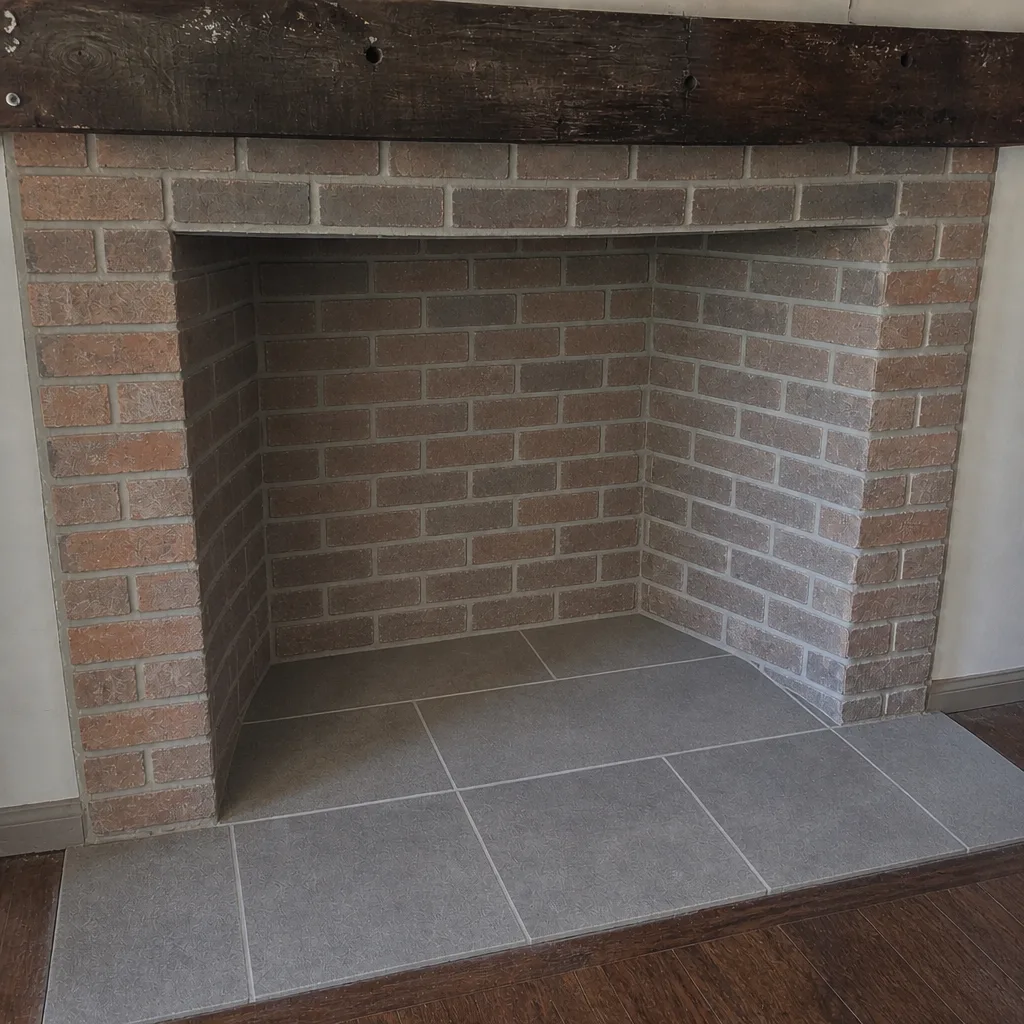
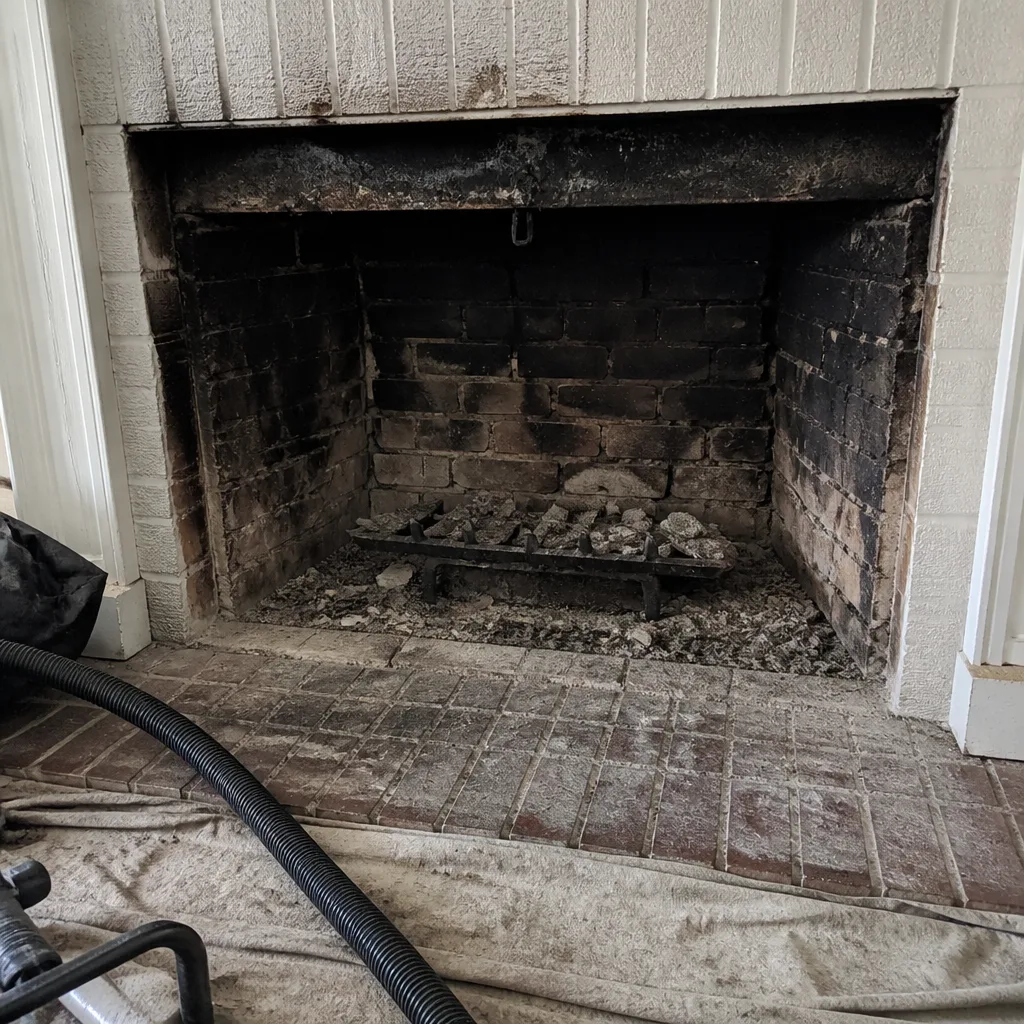
See the difference
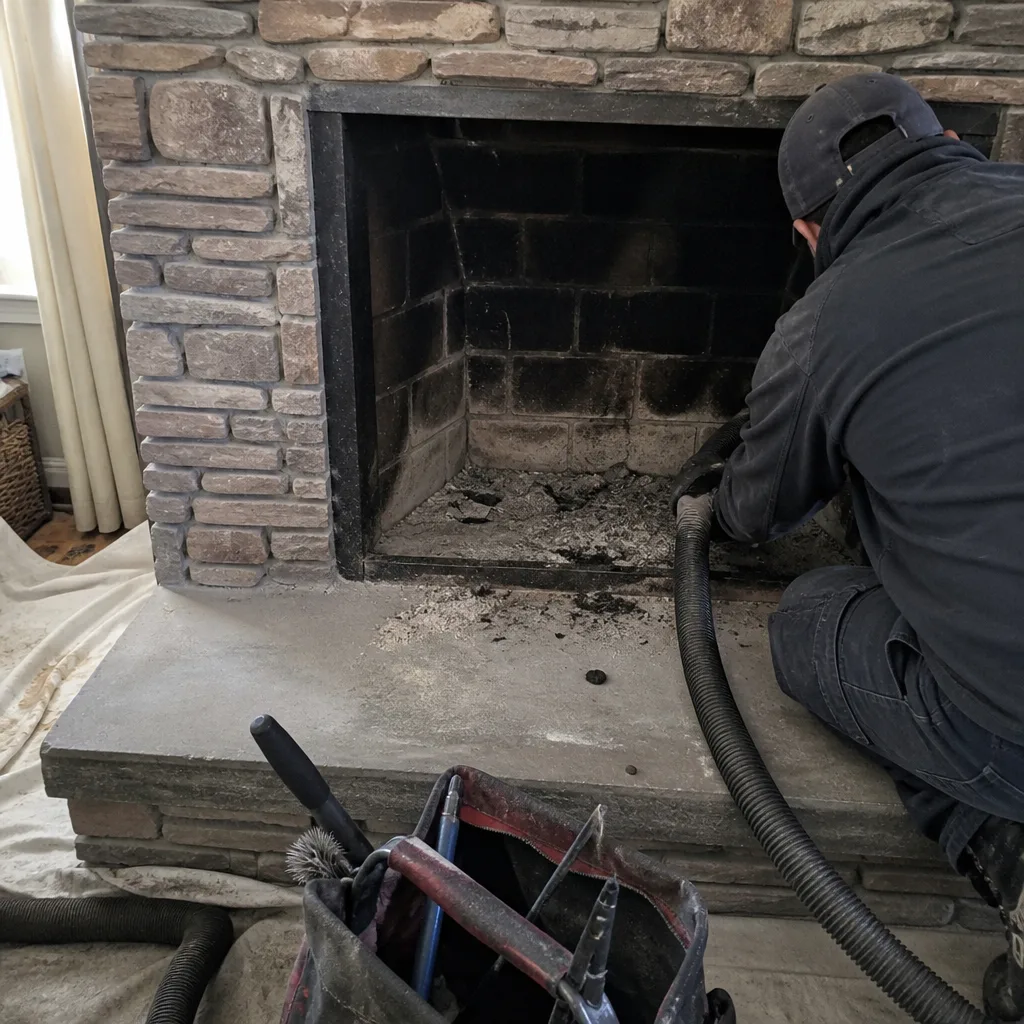 Before
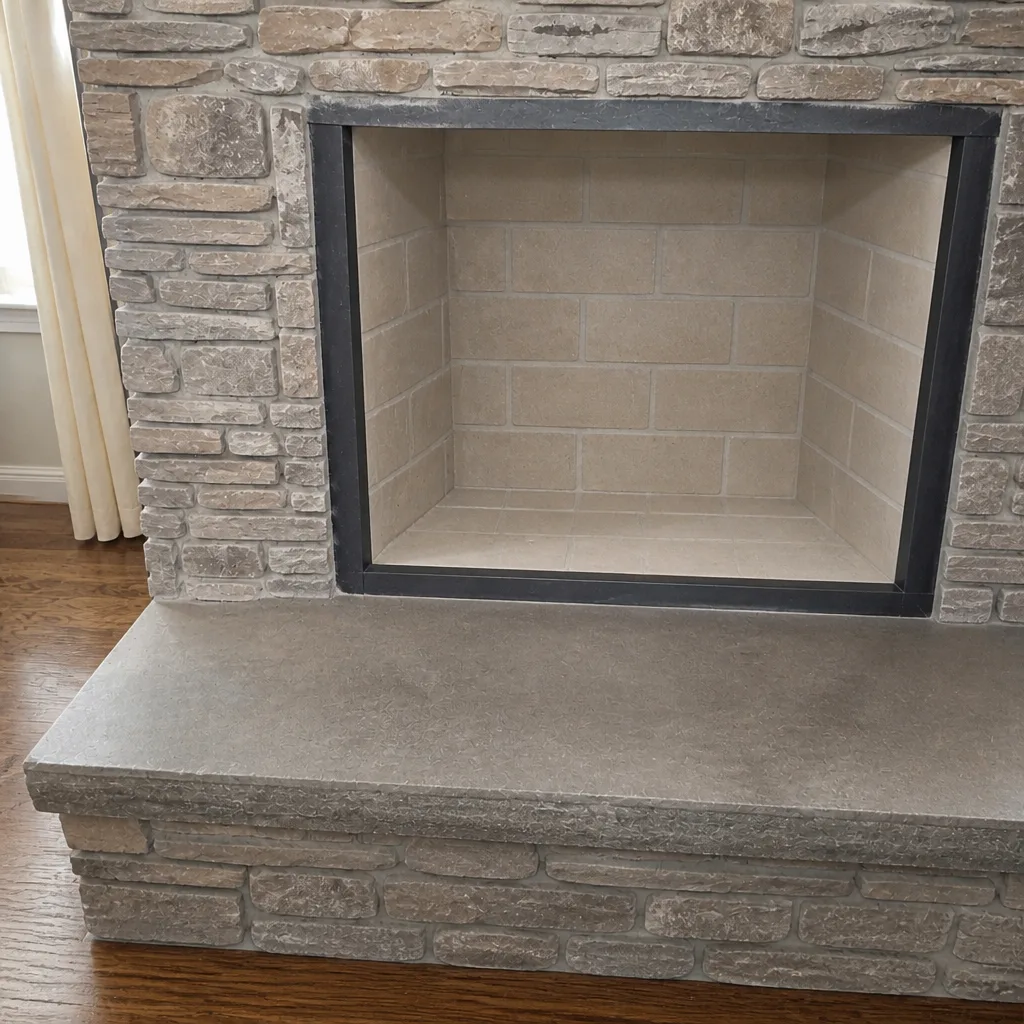 After
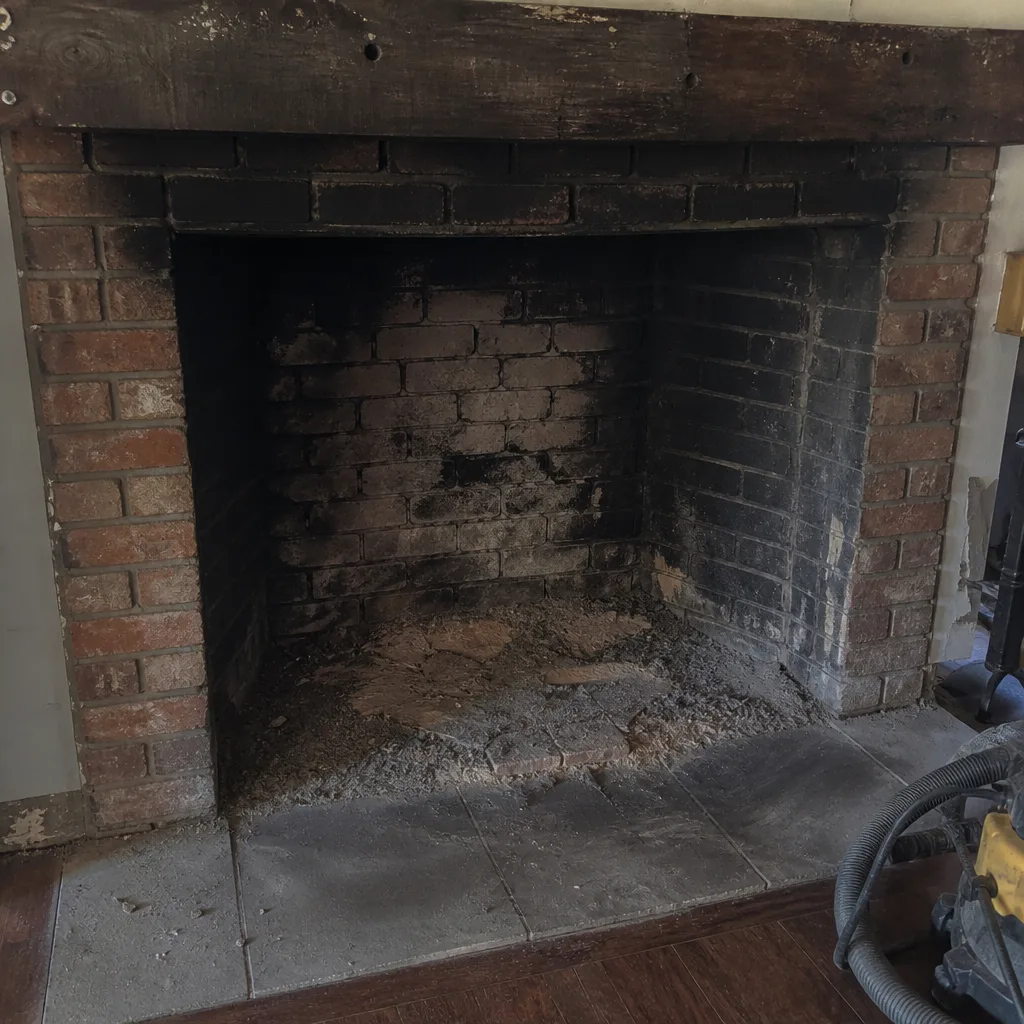 Before
 After
 Before
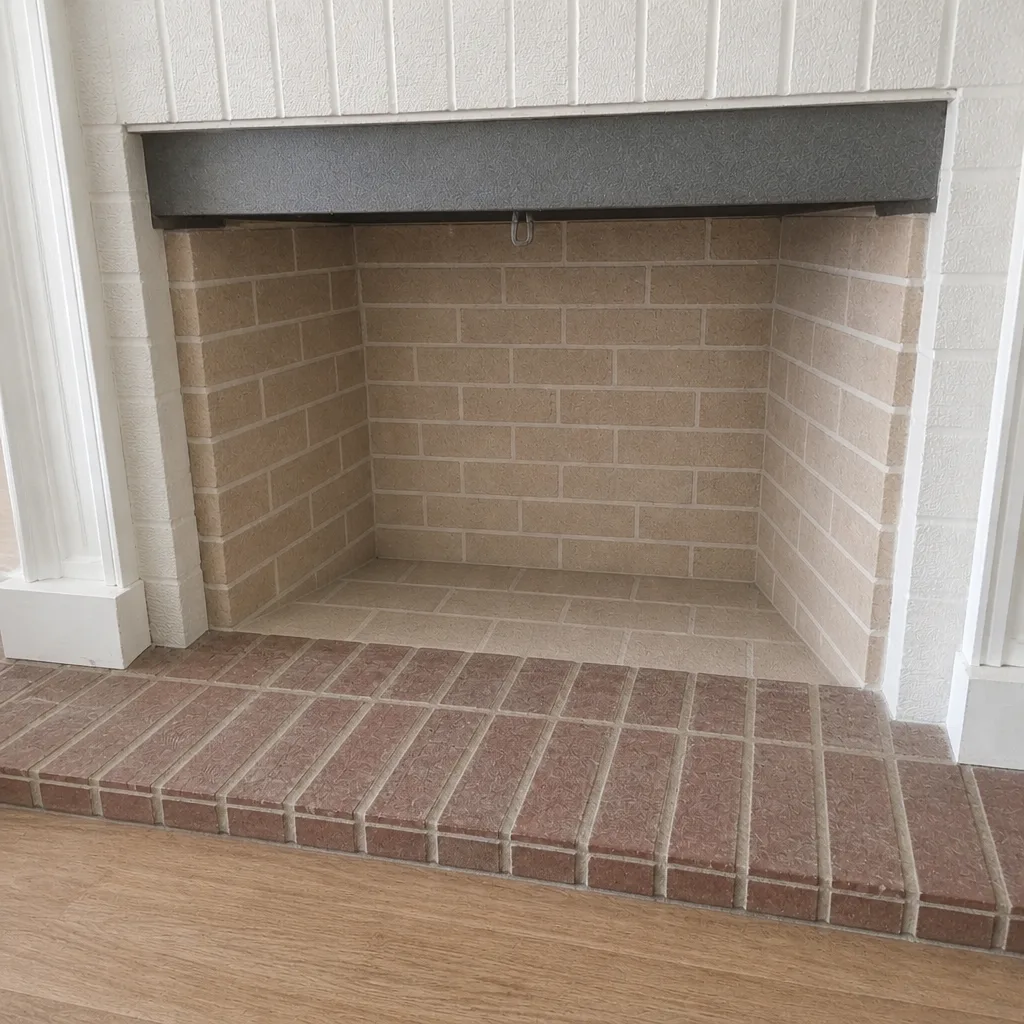 After
When to Call a Professional
Call a professional if you smell smoke, sulfur, or mustiness in a room with a cold fireplace; if you see rust on the damper; if efflorescence is spreading on the exterior masonry; if smoke rolls into the room when you light a fire; if your fire struggles no matter how dry the wood; or if you haven’t had the chimney system inspected in the past year. Stop burning until someone has looked at the flue if any of those symptoms are present. Our Pleasant Grove Chimney Sweep offers free estimates in Pleasant Grove, and inspections are available as a standalone service so you can get a straight assessment without committing to work. We connect you with licensed local professionals. Call (833) 509-5365. We answer 24/7. Fast dispatch from 7am to 7pm, Sunday through Friday.
Frequently Asked Questions
The single most common warning sign we see in Pleasant Grove is a smoke smell in a room with a cold, unused fireplace, which usually points to a creosote-saturated flue. Rust on the damper and white efflorescence on the exterior are close behind, and both point to water intrusion rather than creosote. Any of the three should prompt an inspection before the next fire. Call (833) 509-5365 for an exact quote, estimates are free.
As a working rule, once a year if you burn wood regularly through the winter, and more often if you notice flaky or glazed creosote visible from the firebox. The proper schedule is set by inspection, not by the calendar, because wood moisture, fire temperature, and how often you burn all change the buildup rate. If you’re not sure, an inspection will tell you exactly where you stand. Call (833) 509-5365 for an exact quote, estimates are free.
You can remove loose soot from the firebox and the lower smoke chamber with hand tools, but you should not attempt to clean the flue itself. A proper cleaning needs full-length flue contact with the right brush and rod, and the creosote at stage two or three needs professional removal. A homeowner working blind from below can damage a clay liner or miss a blockage entirely. Call (833) 509-5365 for an exact quote, estimates are free.
Skipping a cleaning lets creosote build toward the glazed stage three, which is the fuel load that turns a small chimney fire into an uncontrolled one, and it lets carbon monoxide risk rise if the flue becomes blocked. It also gives water damage more time to progress through the crown, cap, and liner during Pleasant Grove’s winter freeze-thaw cycles. The longer it goes, the more likely a simple sweep turns into a repair. Call (833) 509-5365 for an exact quote, estimates are free.
White staining is efflorescence, and it’s a real signal, not just cosmetic. It means moisture is traveling through the masonry from inside out, and the source is usually the chimney cap, the crown, or the flashing. The fix depends on which of those is failing, and the way to know is a camera inspection and a visual review. Nothing should be recommended without evidence you can see. Call (833) 509-5365 for an exact quote, estimates are free.
Sometimes the liner can be repaired with a HeatShield resurfacing rather than replaced, and sometimes replacement with a DuraFlex liner system is the right path. The honest answer comes from a camera inspection that shows the liner’s condition: cracked tile, worn spots, or separations at joints. We don’t recommend either without showing you the evidence. Ask for the camera footage and a photo report before agreeing to anything. Call (833) 509-5365 for an exact quote, estimates are free.
Rust on the damper means moisture has been getting into the flue, and the source is almost always above the damper at the cap or crown. It’s not a room-humidity issue. The rust itself is a symptom; the liner above it needs a camera inspection to see whether water damage has progressed into the flue. Call (833) 509-5365 for an exact quote, estimates are free.
The Bottom Line
The warning signs of a chimney that needs cleaning are quiet but learnable. A smoke smell in a cold fireplace means creosote, sulfur and musty smells mean moisture, and rust on the damper points to a leak further up. White staining on the outside tells you water is moving through the masonry. A fire that won’t draw or smoke rolling into the room means stop burning until you’ve had it inspected. Sort these into call-now, call-this-week, and next-appointment using the triage framework, and don’t let a stack of small warnings turn into a big repair. In Pleasant Grove, winter freeze-thaw and inversion-season burn restrictions both make annual inspection the smart baseline. If you’re ready to know exactly what you’re working with before the first fire of the season, call (833) 509-5365 for a free estimate. We answer 24/7. Fast dispatch from 7am to 7pm, Sunday through Friday.
Written by the team at Pleasant Grove Chimney Sweep.