
Last updated November 24, 2026
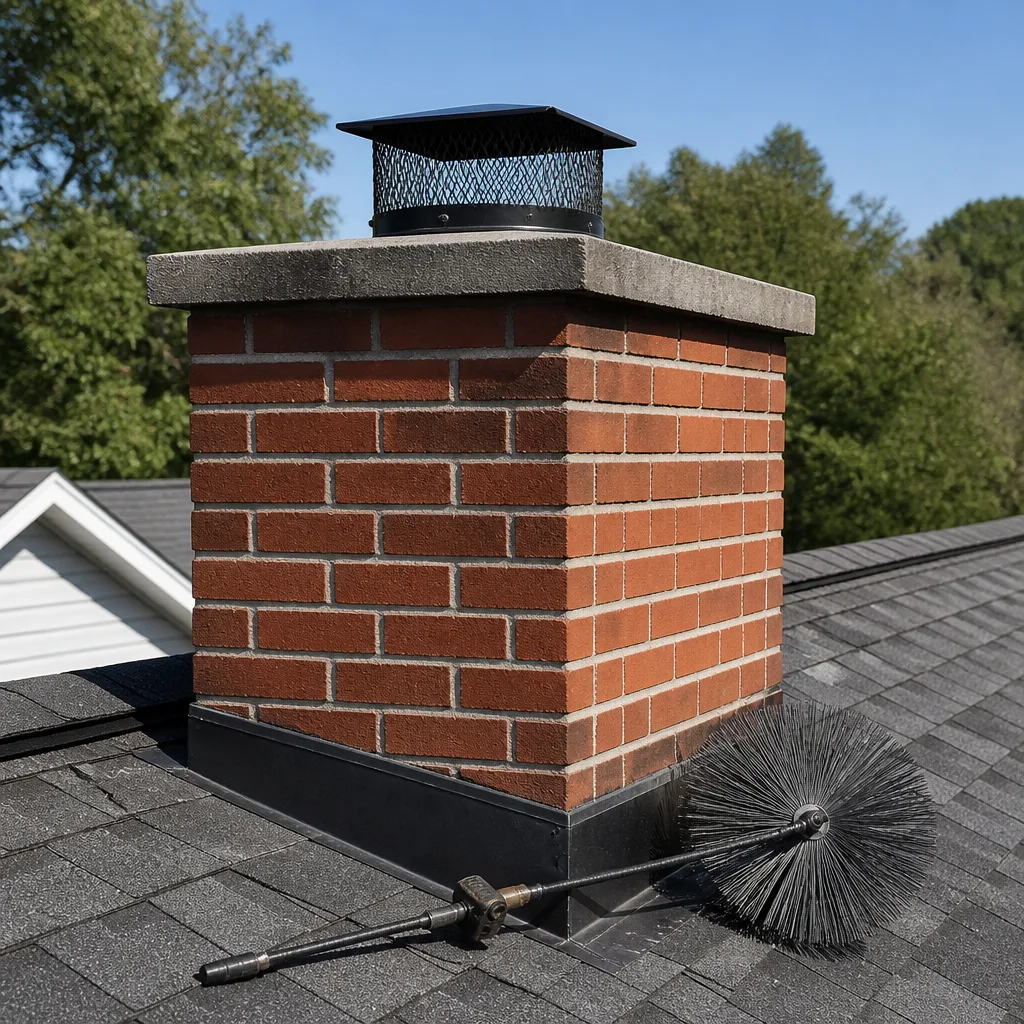 Sweep & inspection
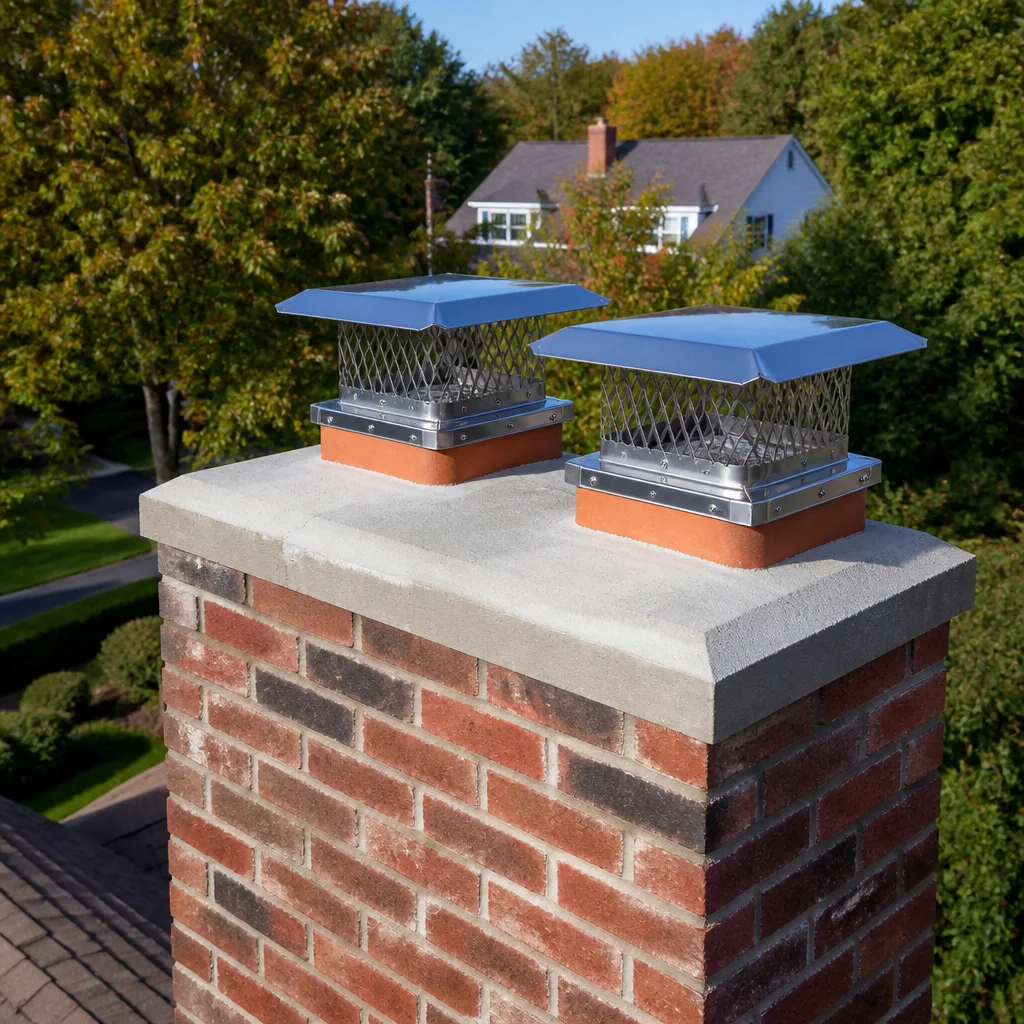 Caps & crowns
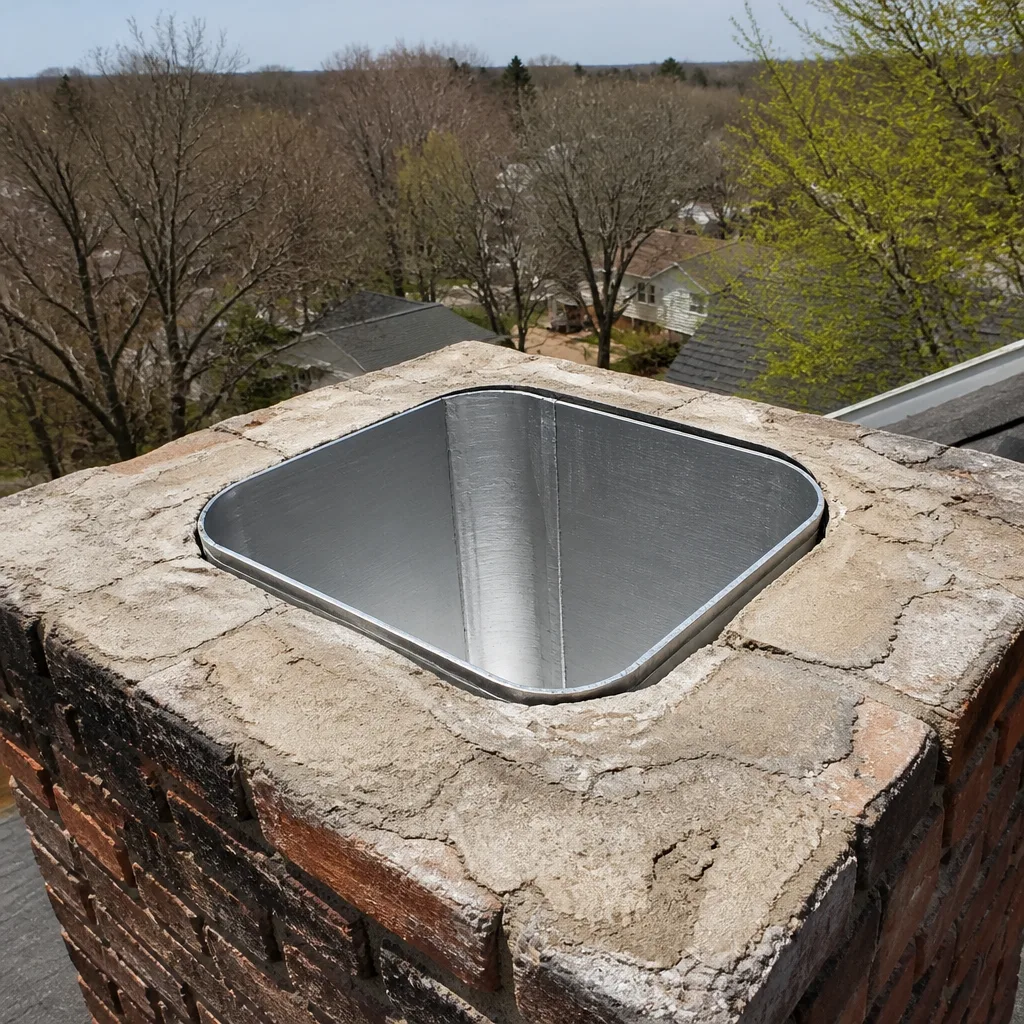 Flue relining
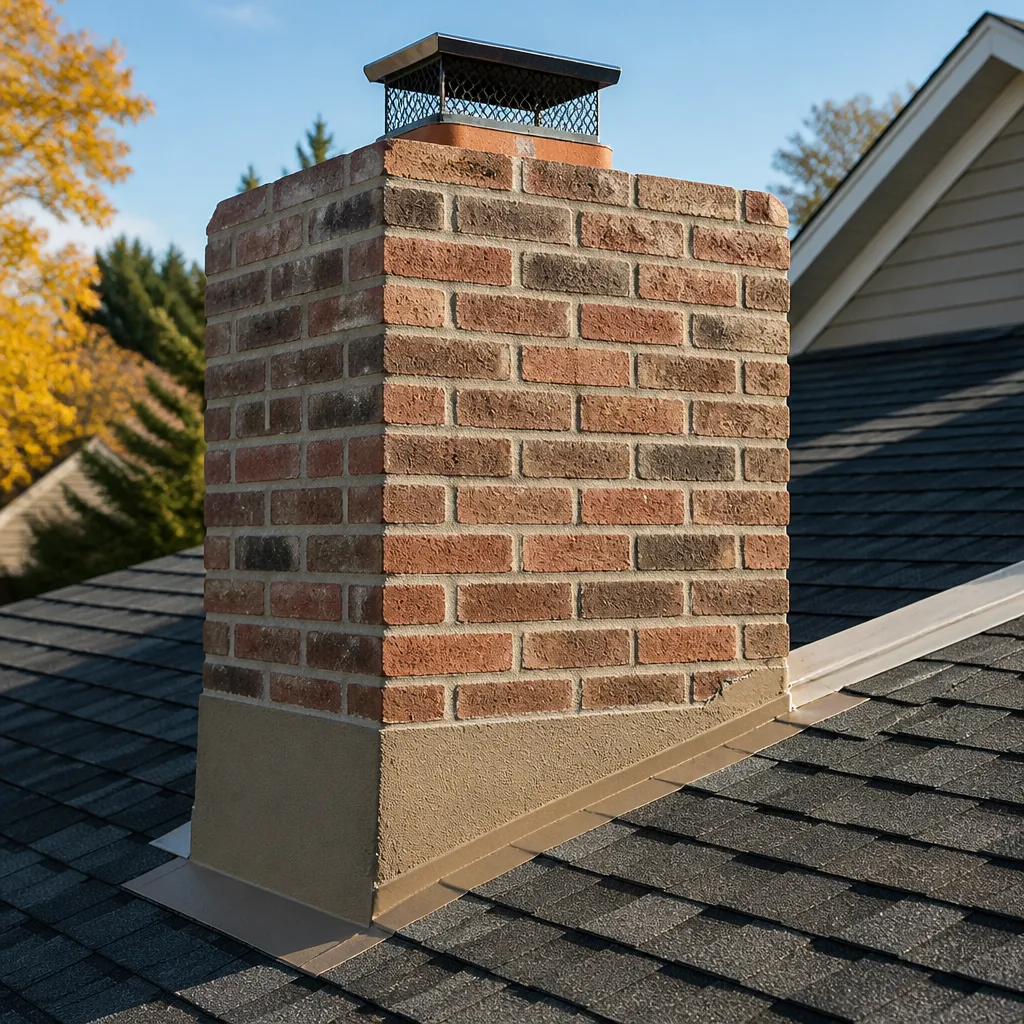 Masonry repair
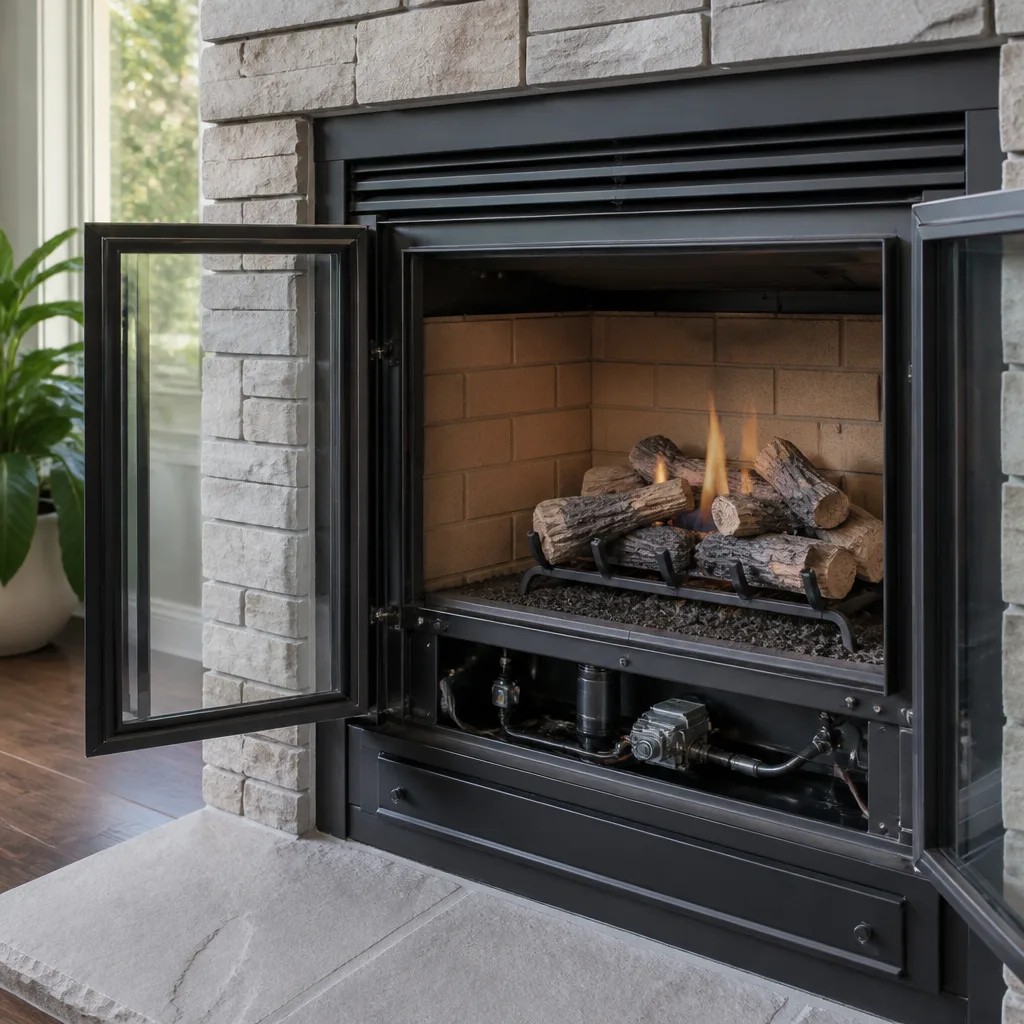 Gas fireplace service
Level 1 sweep and inspection to the NFPA 211 annual standard - flue, crown, cap, and flashing checked and photographed
Chimney sweep logs do not sweep chimneys. They loosen some creosote - which then falls where a brush and vacuum still have to collect it.
Chimney Cleaning Emergency Preparedness Guide for Pleasant Grove Homes
Closing the glass doors on a chimney fire is the worst thing you can do. It feels like the safe move, the instinct that says starve the fire of air. But a chimney fire burning inside the flue doesn’t need your firebox to keep going. Shutting those doors traps heat against the firebox walls and the liner above them, and that concentrated heat is what cracks liners and warps dampers. The right response in the first three minutes looks almost nothing like the instinct most homeowners follow. This guide walks through what a real chimney emergency looks like in Pleasant Grove, how to tell it apart from a loud but normal fire, when to evacuate for carbon monoxide, and how to get your chimney system ready before burning season so the emergency never starts.
Quick Answer
If you suspect a chimney fire, get everyone out of the house, call 911, and don’t close the glass doors or throw water on the fire. A chimney that has had a fire needs a professional inspection of the full flue and firebox before it’s used again. Pre-season preparation, a working cap, a smooth liner, and carbon monoxide detectors on every level, is what keeps a Pleasant Grove chimney emergency from happening in the first place. Call (833) 509-5365 to book a sweep and inspection before the first cold snap.
Styles & brands we work with
- Sweep & inspection
- Caps & crowns
- Flue relining
- Masonry repair
- Gas fireplace service
Table of Contents
- How do you know it’s a chimney fire and not just a loud fire?
- What should you do in the first three minutes of a chimney fire?
- The two instincts that make a chimney fire worse
- Carbon monoxide and your chimney: when to evacuate, when to ventilate
- What does “chimney ready” look like before burning season in Pleasant Grove?
- After a chimney fire: why the inspection comes before the next fire
- How creosote builds in Pleasant Grove’s cold-season burning patterns
- Building a chimney emergency kit for your home
How do you know it’s a chimney fire and not just a loud fire?
Not every chimney fire announces itself with flames out the top. A slow, smoldering flue fire can burn for hours without a sound, and the homeowner never knows it happened until an inspection turns up glazed creosote and heat damage. But when a chimney fire is loud, it’s unmistakable, and the cues are physical. Here’s what to listen and watch for:
- A roaring sound. Not the familiar crackle of a wood fire, but a low, sustained roar like a distant train or a jet passing overhead. It can go on for a minute or several.
- The damper or stovepipe shaking. A burning flue creates violent draft, and the shaking you feel when you touch the damper handle is a serious sign.
- Dense, dark smoke inside the firebox or out the top. Some smoke is normal; a sudden plume of thick, greasy smoke that fills the room when the doors are open is not.
- Popping or tapping from the flue. That’s creosote igniting in flakes or sheets.
- A hot chimney cap and strong heat from the surrounding wall. If the wall around the chimney breast is uncomfortably warm to the touch, treat it as an active event.
Here in Pleasant Grove, most chimney fires we get called about happen in December through February, when the fire gets lit every evening and the flue never fully cools. The burn has been running long enough to lay down a fresh layer of creosote, and a hot fire finally ignites it. If you catch yourself wondering whether what you’re hearing is a chimney fire, don’t wait to find out. Evacuate and call.
What should you do in the first three minutes of a chimney fire?
Get everyone out and call 911. That is the whole plan in one sentence. The first three minutes are the window where the wrong move does the most damage, so here’s the correct sequence, in order:
- Get everyone outside. Leave the doors open behind you so people can get out. Don’t stop to gather belongings.
- Call 911 from outside. Tell the dispatcher you have a chimney fire, your address, and whether you still see smoke or flame from the top. Pleasant Grove Fire & Rescue responds routinely to these calls, and they’d rather get one that turns out to be a false alarm than arrive late.
- If the fire is still small and you have a chimney fire extinguisher or dry chemical extinguisher, use it from below. Never use water in a hot firebox; the thermal shock can crack the firebox and liner.
- Stay outside and watch the roofline. Report any flames or sparks from the cap, and any smoke that changes color or volume.
- Don’t re-light anything until the chimney has been professionally inspected. That includes a few days later. The flue could still be compromised inside.
One thing that often gets missed: don’t go back inside to open or close the fireplace doors, and don’t try to “cool it down” by closing the vent. The doors and damper are the fire’s air supply, and once the fire is roaring in the flue, airflow is not the variable you want to adjust by hand. Let it burn out under the watch of the fire department. Your flue is a chimney system, and a hot fire on a compromised liner is a house fire waiting to happen.
The two instincts that make a chimney fire worse
The two instincts that turn a chimney fire into a bigger problem are closing the glass doors and dosing the fire with water. Both feel responsible and both make it worse. Here’s why.
Closing the glass doors. Fire needs three things: fuel, air, and heat. A chimney fire has plenty of all three inside the flue, and none of them come from your firebox once the creosote is burning. Shutting the doors cuts the air to the firebox, which slows the visible fire inside, but the flue keeps burning. The heat now has nowhere to go but into the firebox walls and the liner. A firebox designed for an open fire can crack under that concentrated heat, and a liner that was already showing wear can split. On a metal flue, that split lets the fire into the wall cavity. We’ve seen fireboxes that took this kind of heat and now need full fireplace repair before the fireplace is safe to use again.
Throwing water on it. Water on a hot firebox is thermal shock. The cast iron or refractory brick inside the firebox contracts suddenly, and cracks spread. Cracks in the firebox and the smoke chamber are a carbon monoxide path into your home. A homeowner with the best intentions can do more damage in a minute than a fire did in five. The same applies to hosing down a stovepipe from outside.
The correct move is to do neither. Get out, call 911, watch the roof, and leave the fire alone. The fire is going to burn itself out. Your job is to make sure no one is inside when it does.
Carbon monoxide and your chimney: when to evacuate, when to ventilate
Carbon monoxide detectors on every level of your home are not optional for a chimney-served house; they’re the difference between catching a CO problem early and not. Carbon monoxide is colorless and odorless, and a blocked or cracked chimney is one of the most common paths it takes into a home. The rule for what to do when the alarm sounds is simple:
- Evacuate and call 911 if the CO alarm is sounding and anyone feels symptoms – headache, dizziness, nausea, confusion, or a general feeling of unwell that gets better when you leave the house. Get everyone outside, including pets, and stay out.
- Evacuate and call the fire department even with no symptoms. A sounding CO detector is a real event, and the fire department will use a meter to find the source. Do not re-enter to open windows; let the fire department do that.
- Ventilate if the CO reading is low and the alarm is a warning-level alarm, but only if you’re not feeling symptoms. Open windows on the way out and keep the fireplace off. Then call us to inspect before anything is used again.
Here’s where chimney CO differs from a general CO event: the source is often creosote, soot, or a damaged flue that lets combustion gases back into the house instead of up the chimney. A blocked cap, a cracked liner, or a chimney with a reverse draft can all put CO into a Pleasant Grove living room even when the fireplace seems to be drawing fine. That’s why the inspection matters, and why we treat the CO detector as a piece of chimney equipment, not just a general home-safety gadget.
Placement matters too. Every level of the home should have a CO alarm, including the basement, the main floor near the fireplace, and every bedroom level. The alarm needs to be in the sleeping area so it wakes people up; a detector in the basement won’t do that. If your detectors are older than their manufacturer’s replacement window (usually printed on the unit), replace them. Then make sure your chimney has been swept and inspected before the first cold night of the year.
What does “chimney ready” look like before burning season in Pleasant Grove?
“Chimney ready” means four things checked and confirmed before the first fire of the season: the cap is intact, the damper opens and closes fully, the CO detectors are on every level and working, and the flue has been swept and inspected. Here’s the full checklist, in the order we walk it with a Pleasant Grove homeowner:
- Sweep the flue. A sweep removes creosote before it can ignite. In Pleasant Grove’s cold-season pattern, one season of daily fires can put down enough creosote to need a sweep by fall. If you’ve been burning a lot, or you’re not sure when the last sweep was, schedule one. A chimney sweep is the baseline, not the upsell.
- Inspect the cap. The cap is the top of the chimney and the first line of defense against water and animals. A missing or damaged cap lets rain and snow melt straight into the flue, and it lets birds and squirrels nest inside, which is a blockage and a CO risk. Cap and crown work is one of the most common things we find wrong before winter.
- Test the damper. Open it fully and close it fully. A damper that sticks, or one that won’t open the full distance, cuts your draft and pushes smoke back into the room.
- Check the crown. The crown is the cement cap on top of the chimney structure. Cracks in the crown let water into the masonry, which is a cause of chimney damage from below. A cracked crown in Pleasant Grove’s winter freeze cycles gets worse every year, so if it’s cracked now, it’s not going to be less cracked next spring.
- Check the CO detectors on every level. Press the test button, read the date on the back, replace if old.
- Clear the roof and firebox area. No stacked wood, no debris against the chimney, and wood stored at least a foot clear of the firebox opening.
Notice that most of the checklist is about the whole chimney system, from the firebox to the crown, not just the flue. That’s deliberate. The two most common points of water intrusion on a Pleasant Grove chimney are the cap and the crown, and both are cheap to fix now and expensive to fix after a hard winter.
After a chimney fire: why the inspection comes before the next fire
A chimney that has had a fire must be professionally inspected before it’s used again. Not skimmed. Inspected. A fire can crack the liner, warp the damper, open seams in the smoke chamber, and leave creosote glazed to the flue in a form that’s harder to sweep. None of that is visible from the hearth without tools.
An inspection after a fire needs to include:
- A full flue inspection. Metered and visual, from top to bottom.
- The firebox and smoke chamber. Cracked refractory brick, failed mortar joints, and warped metal all matter here.
- The damper and its frame. Heat can warp a damper so it no longer seats.
- The cap and crown. An overfire event can crack a crown.
- The liner’s overall condition. A fire often reveals a liner that was already failing, which is why the inspection should include the full run from firebox to cap.
If the inspection finds a damaged liner, we repair with HeatShield resurfacing where the liner condition allows it. HeatShield is a professional chimney resurfacing system that’s applied to the inside of the flue, which is not something available to a DIYer and rarely offered by a general contractor. When a full reline is the right call, we install DuraFlex liner systems or Olympia Chimney products. Those are the professional-trade brands we use, and they hold up to the heat cycling that a Pleasant Grove winter puts them through. The point is that the inspection comes first; the fix only goes in when the evidence supports it.
In our experience, the part of an inspection homeowners find most valuable is seeing the inside of the chimney for themselves, and we include photos of what we found with every inspection. If nothing needs to be done, we say so. An inspection that finds nothing is still an inspection you paid for, and that’s how it should feel.
How creosote builds in Pleasant Grove’s cold-season burning patterns
Creosote is the byproduct of incomplete combustion, and it builds faster under certain burning patterns. In Pleasant Grove, the pattern is a long cold season with fires lit most evenings, and sometimes a mix of wood types, some of it unseasoned. That’s exactly the pattern that lays down creosote quickly. Here’s what drives the build-up:
- Cool flue temperatures. A fire that burns low and slow puts creosote down the flue. So does a fire on a chimney that hasn’t warmed up, like a first fire of the season.
- Green or wet wood. Wood with high moisture content burns cool and smokes, and both contribute.
- A flue that’s too large for the fire. An oversized flue cools the smoke too fast, and creosote condenses on the liner.
- A blocked or restricted cap. Poor draft means slower exhaust, which means more time for creosote to form.
Creosote comes in three stages, and the third stage (glazed, shiny, tar-like creosote) is the one that starts chimney fires. Glazed creosote doesn’t come off with a brush; it needs a chemical treatment or, in some cases, liner resurfacing with a product like HeatShield. If you’ve been burning a lot and you’re not sure what stage your flue is at, an inspection will tell you. That’s the conversation we have most often in the fall in Pleasant Grove.
Building a chimney emergency kit for your home
A chimney emergency kit is small, cheap, and solves the first minute of a chimney problem. Here’s what should be in it:
- A chimney fire extinguisher (dry chemical, rated for chimney fires) kept on the hearth, not in the garage. The extinguisher you can reach in five seconds is the one that matters.
- A working smoke alarm on every level and CO detectors on every level. Test them on the first of every month. Replace the batteries twice a year.
- A flashlight for checking the firebox, the cap area you can see from the yard, and the wall around the chimney during a fire event.
- The phone number for the fire department and for a chimney professional. Have it somewhere the whole household can find it. Ours is (833) 509-5365, and we answer 24/7.
- A notebook with your chimney’s history. When was the last sweep, what the last inspection found, and when the cap and crown were last checked. That notebook is worth more to whoever inspects your chimney next than any guess about what’s been done.
Build the kit in the fall, before the first fire. A kit you put together in October is a kit you don’t have to find in January.
Common Mistakes to Avoid
- Closing the glass doors on a chimney fire. It feels safe, but it pushes heat into the firebox walls and can crack the liner and warp the damper. Leave the doors open and get out of the house.
- Throwing water on the fire. Thermal shock cracks the firebox and the smoke chamber, and that’s a CO path into your home. Use a dry chemical extinguisher, and only if the fire is still small.
- Relighting the fireplace before the inspection. A fire that “burned itself out” can leave a cracked liner. The next fire might push that crack open; don’t relight until a professional has looked at the flue.
- Skipping the cap and crown check. These are the two most common points of water intrusion on a Pleasant Grove chimney. Water that gets past the cap and crown cracks masonry and rusts dampers, and both are far cheaper to fix in the fall than after a freeze.
- Putting the CO detector only on the main level. Carbon monoxide travels; the alarm needs to be where people sleep. Every level, every bedroom level.
- Burning wet wood to stretch the supply. It’s the single biggest driver of fresh creosote, and creosote is the fuel for a chimney fire. Seasoned wood, dry wood, and a hot fire burn cleaner.
- Treating the inspection as a formality. An inspection that turns up nothing is a good outcome; an inspection that gets skipped is how fires start. An inspection is the one service where “no work needed” is a real answer. That’s why we offer inspections as a standalone service: Pleasant Grove Chimney Sweep is happy to tell you your chimney is fine.
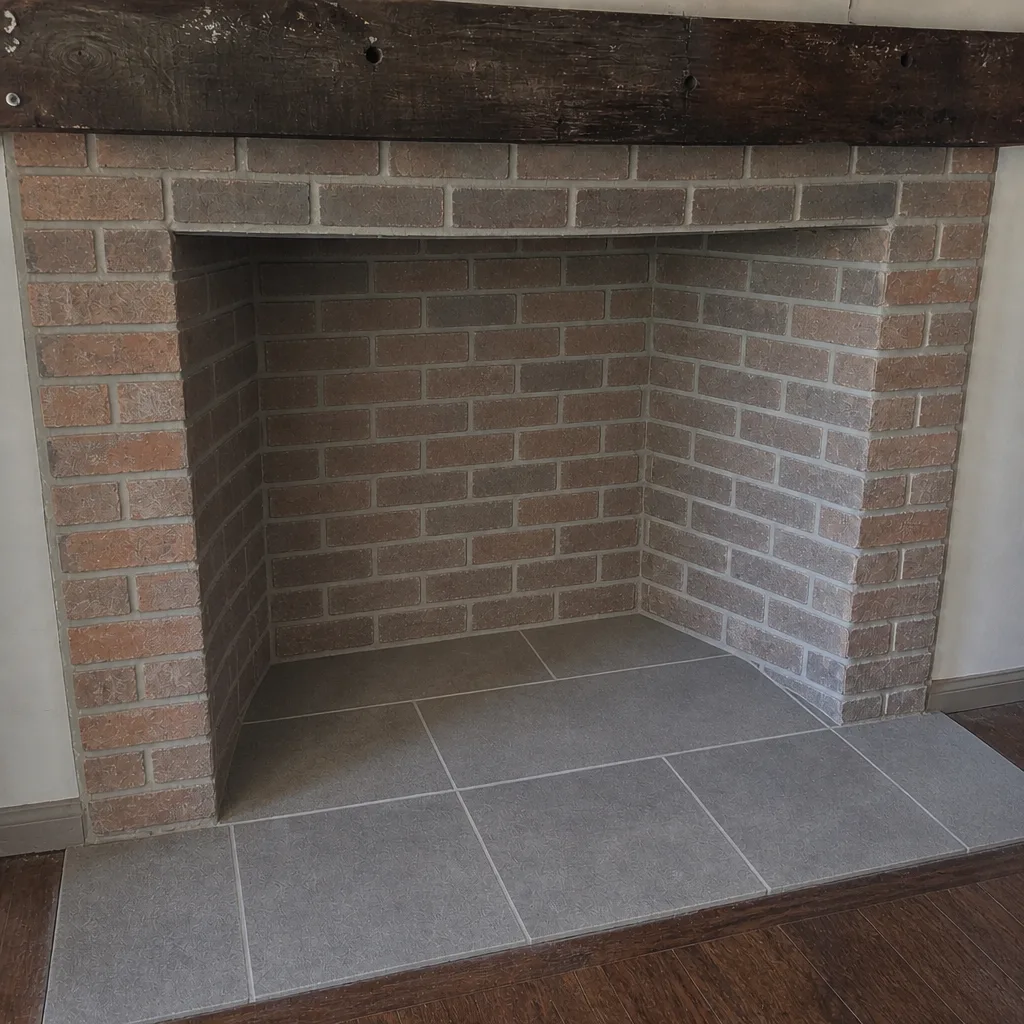
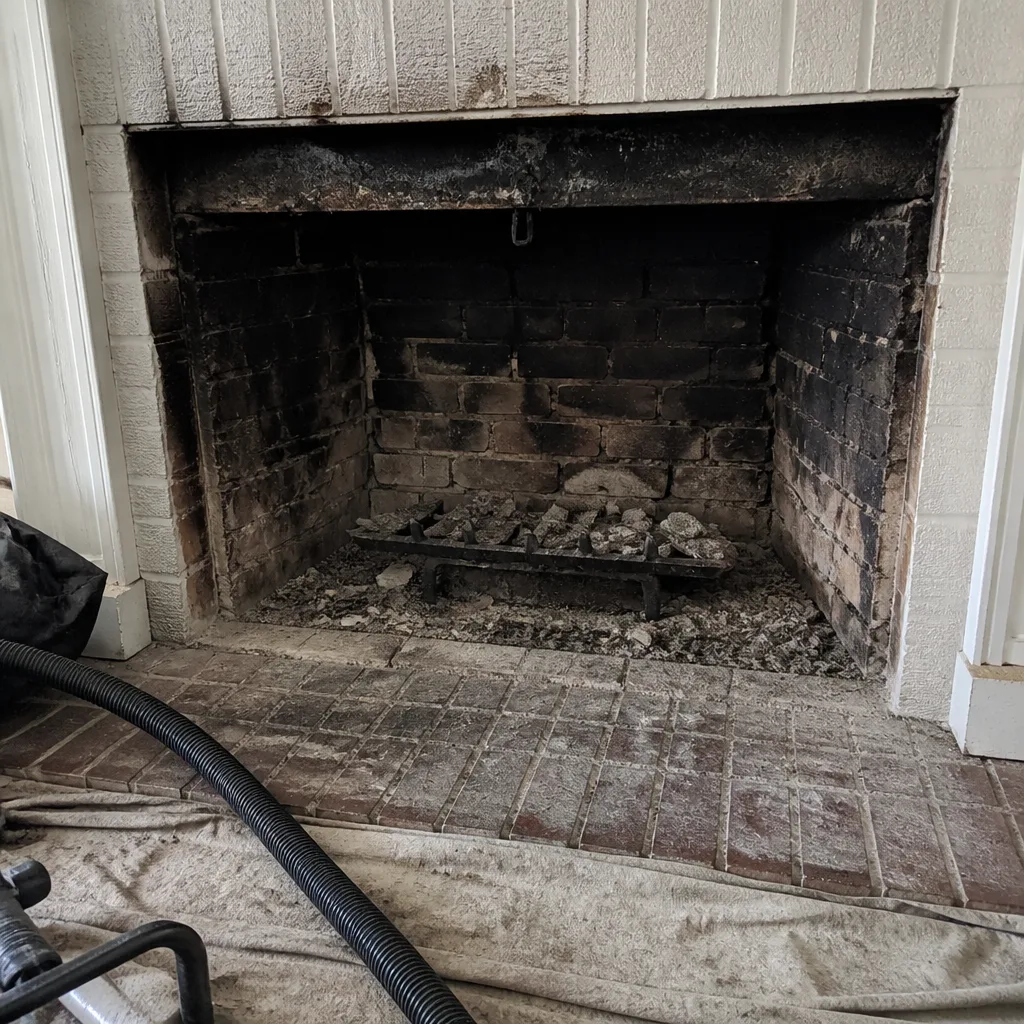
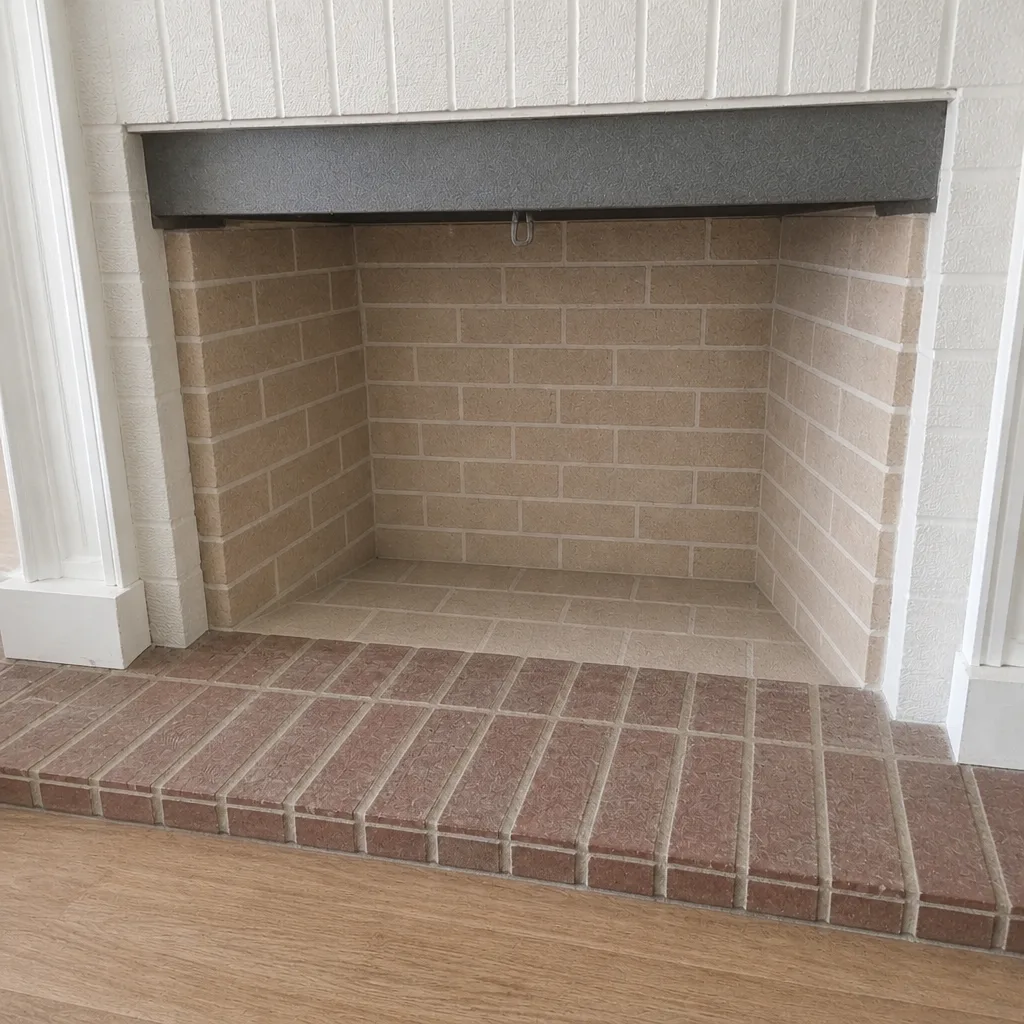
See the difference
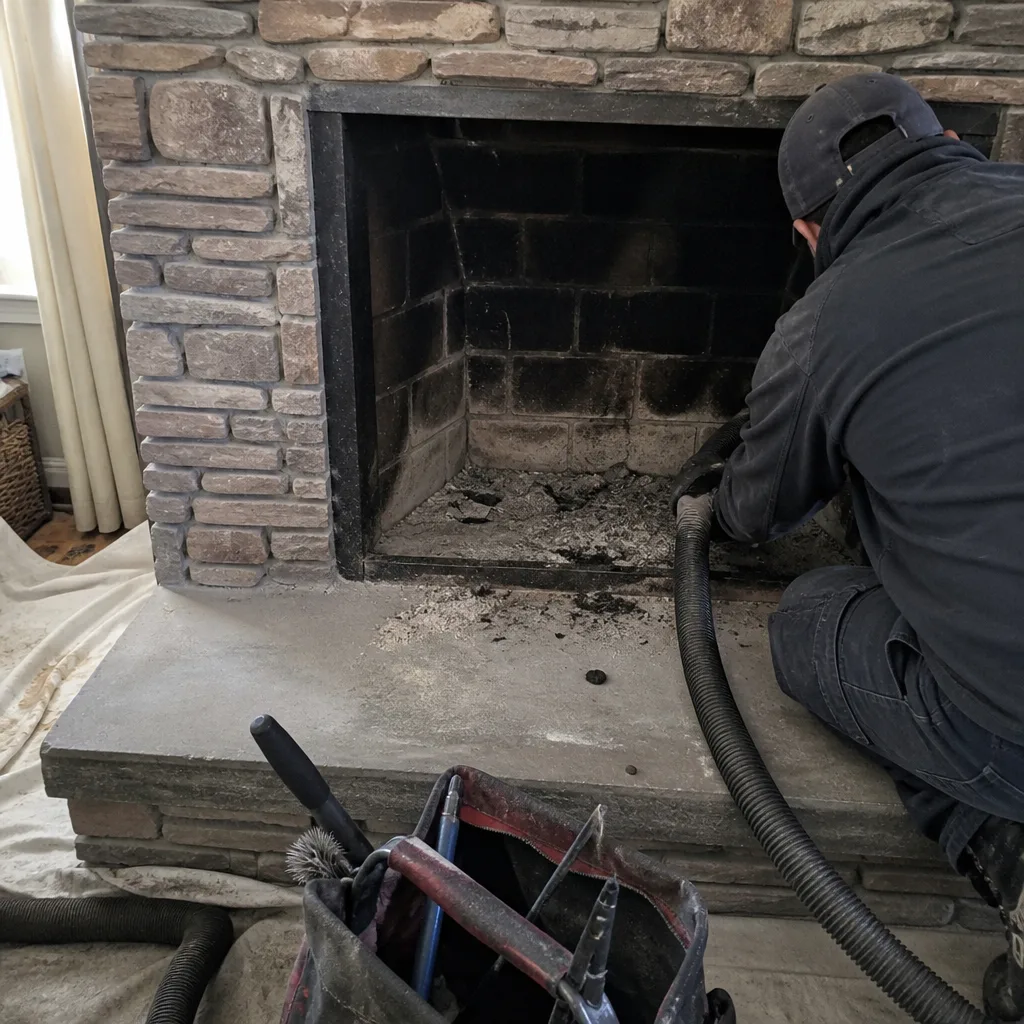 Before
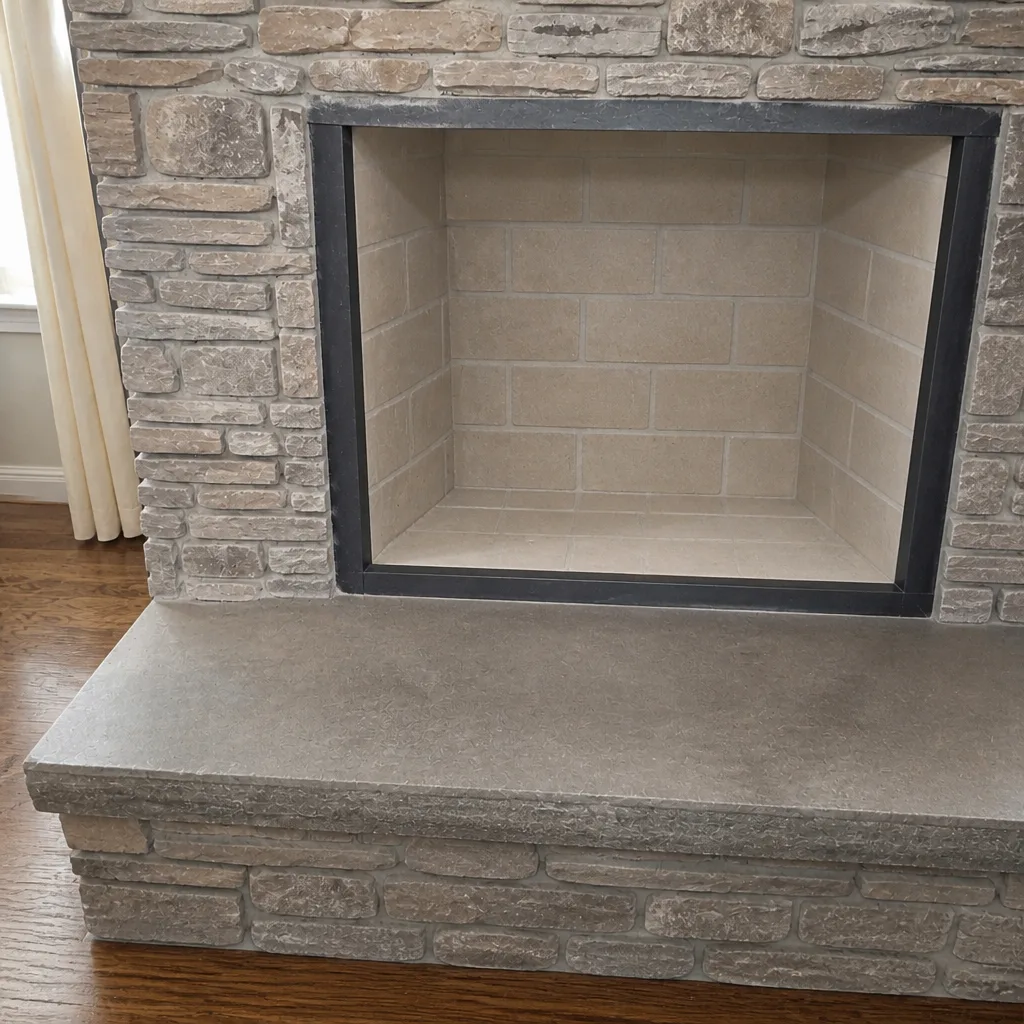 After
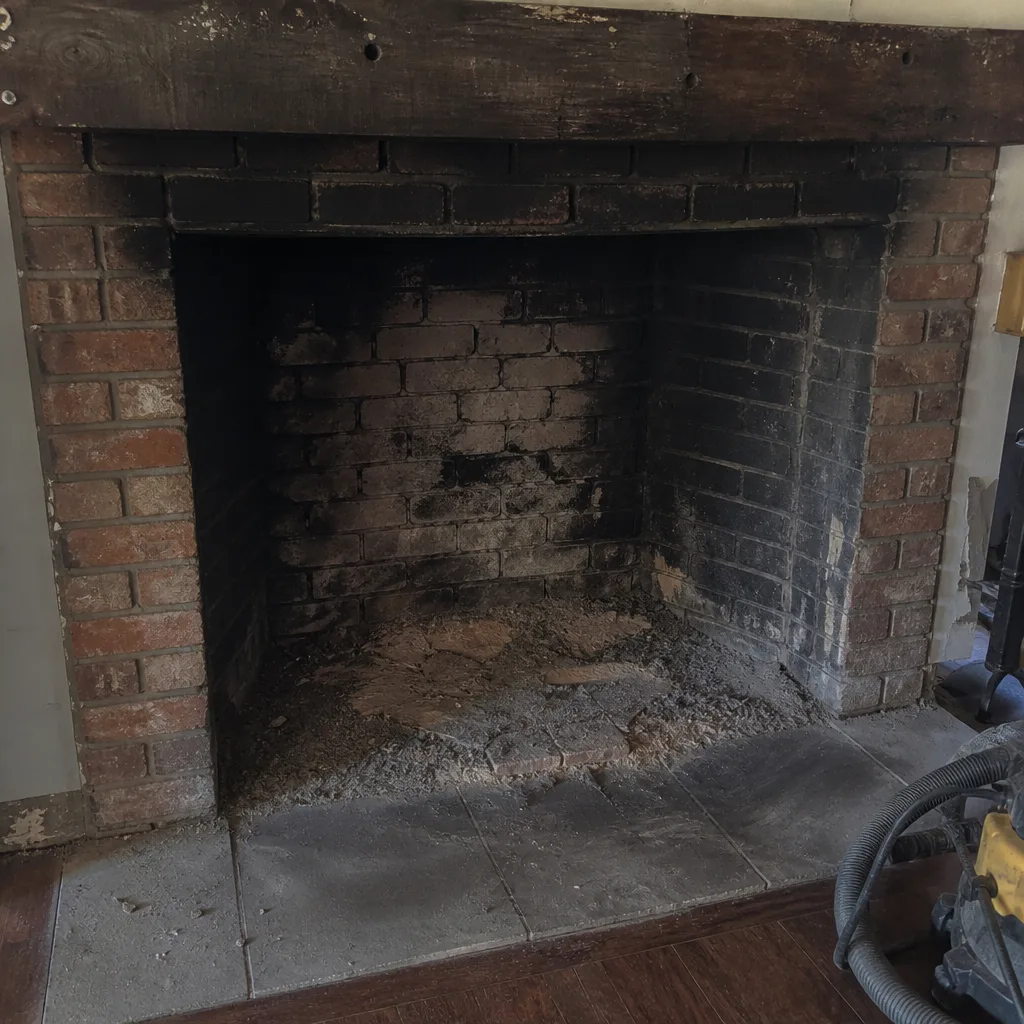 Before
 After
 Before
 After
When to Call a Professional
Call us if any of these is true: your CO alarm has gone off at any point, you’ve had a chimney fire of any size, you’re not sure when the chimney was last swept, your damper sticks or won’t open fully, the cap is missing or damaged, the crown is cracked, the firebox shows any sign of cracked brick or failed mortar, or you’re getting smoke back into the room when the fire is lit. If any of these apply, don’t relight until we’ve inspected. We offer inspections as a standalone service, and our inspection includes camera inspection and a photo report so you can see exactly what we found. If the chimney needs chimney repair, we do that too, from the firebox to the crown. Pleasant Grove Chimney Sweep offers free estimates in Pleasant Grove – call (833) 509-5365. We answer 24/7. Fast dispatch from 7am to 7pm, Sunday through Friday.
Frequently Asked Questions
Get everyone out of the house, call 911 from outside, and don’t close the glass doors. Closing the doors starves the firebox but not the fire in the flue, and pushes heat into the liner. Leave the doors open and let the fire department handle it. Call (833) 509-5365 after the fire to book the inspection the chimney needs before it’s used again.
A chimney fire is loud and physical: a roaring sound, a shaking damper, and popping from the flue. A normal fire crackles and pops, but it doesn’t roar or shake the stovepipe. If you’re not sure, treat it as a chimney fire and evacuate. The cost of a false alarm is nothing compared to being wrong the other way.
No. Leave the fireplace doors open. A chimney fire in the flue has its own air supply, and closing the doors only traps heat in the firebox where it can crack the firebox and the liner. The safest move is to leave the house with the doors open behind you and call 911.
Yes, without exception. A fire can crack the liner, warp the damper, and open seams in the smoke chamber, and none of that is visible from the hearth. A proper inspection covers the full flue from the firebox to the cap, and it has to happen before the next fire. Our inspections use camera inspection and a photo report so you can see for yourself. Call (833) 509-5365 to book one.
Once a year is the general rule, and more often if you burn daily through the cold season. If you haven’t had a sweep since last winter, or you don’t remember the last one, book a chimney sweep before the first fall fire. Sweeping removes the creosote that fuels a chimney fire, and it’s the single most effective thing you can do to prevent one. Estimates are free.
Every level of the home, including every bedroom level, the basement, and the main floor near the fireplace. The alarm has to be in the sleeping area to wake people up. Test the units monthly and replace them within the manufacturer’s replacement window. If yours are old or missing, fix that before the first fire of the season, then call (833) 509-5365 to have the chimney inspected for CO paths.
The Bottom Line
A chimney emergency is rarely an accident; it’s usually the result of a creosote problem that had a season to build. Get the sweep done in the fall, keep the cap and crown sound, put CO detectors on every level, and know the first three minutes: doors open, house empty, 911 from outside. If a fire does happen, the inspection comes before the next fire, no exceptions. Pleasant Grove Chimney Sweep covers the whole chimney system, sweeping, inspection, fireplace repair, chimney repair, cap and crown, using professional-trade brands like HeatShield, DuraFlex, Gelco, Olympia Chimney, and Famco. Our technicians have up to 14 years of experience, and we’ll show you what we found before recommending anything. Call (833) 509-5365 for a free estimate.
Written by the team at Pleasant Grove Chimney Sweep.