
Last updated November 24, 2026
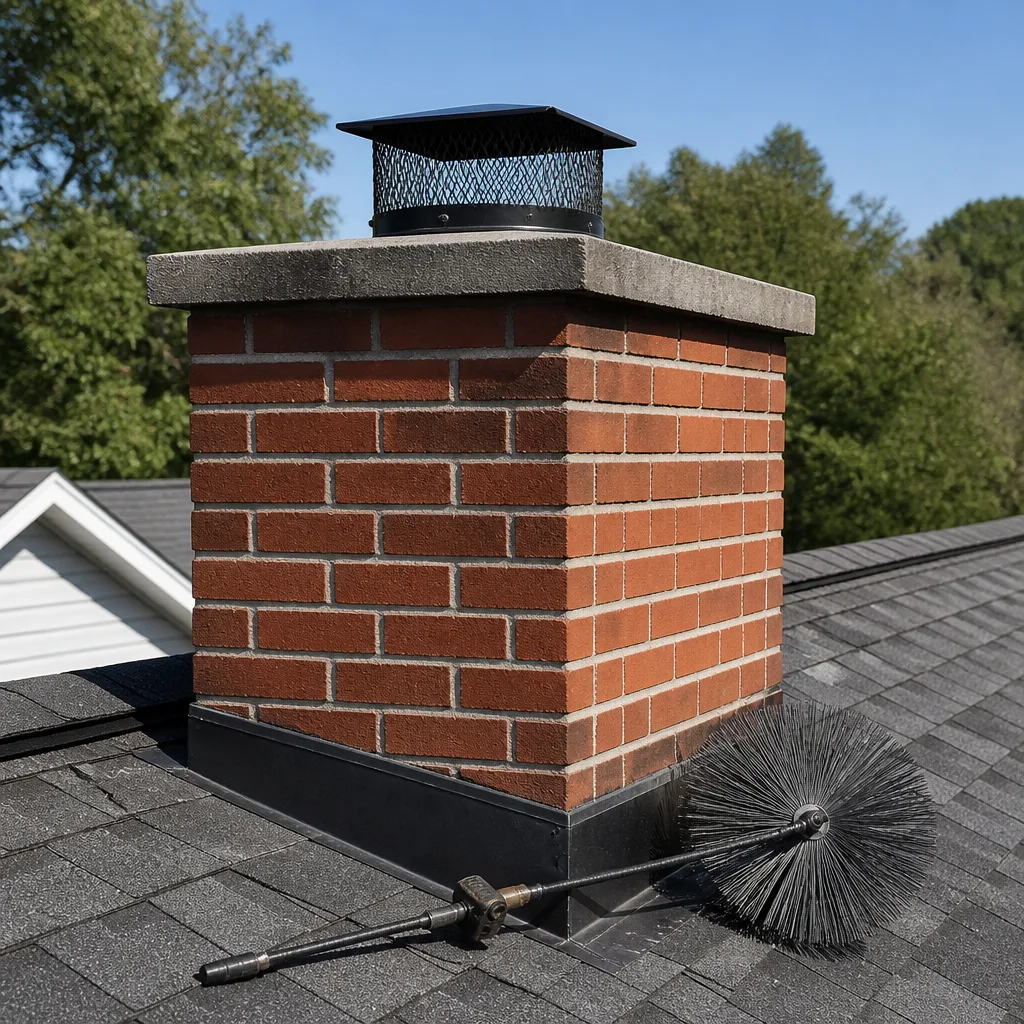 Sweep & inspection
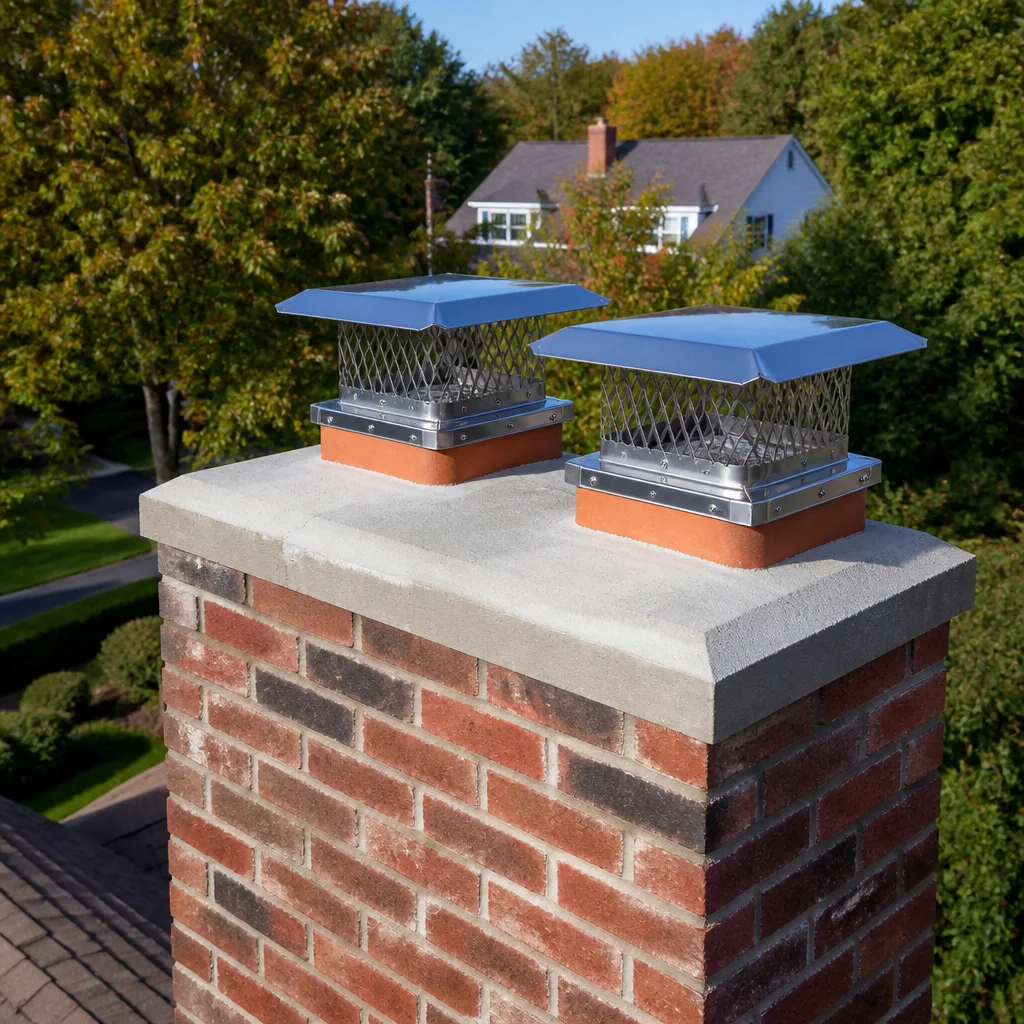 Caps & crowns
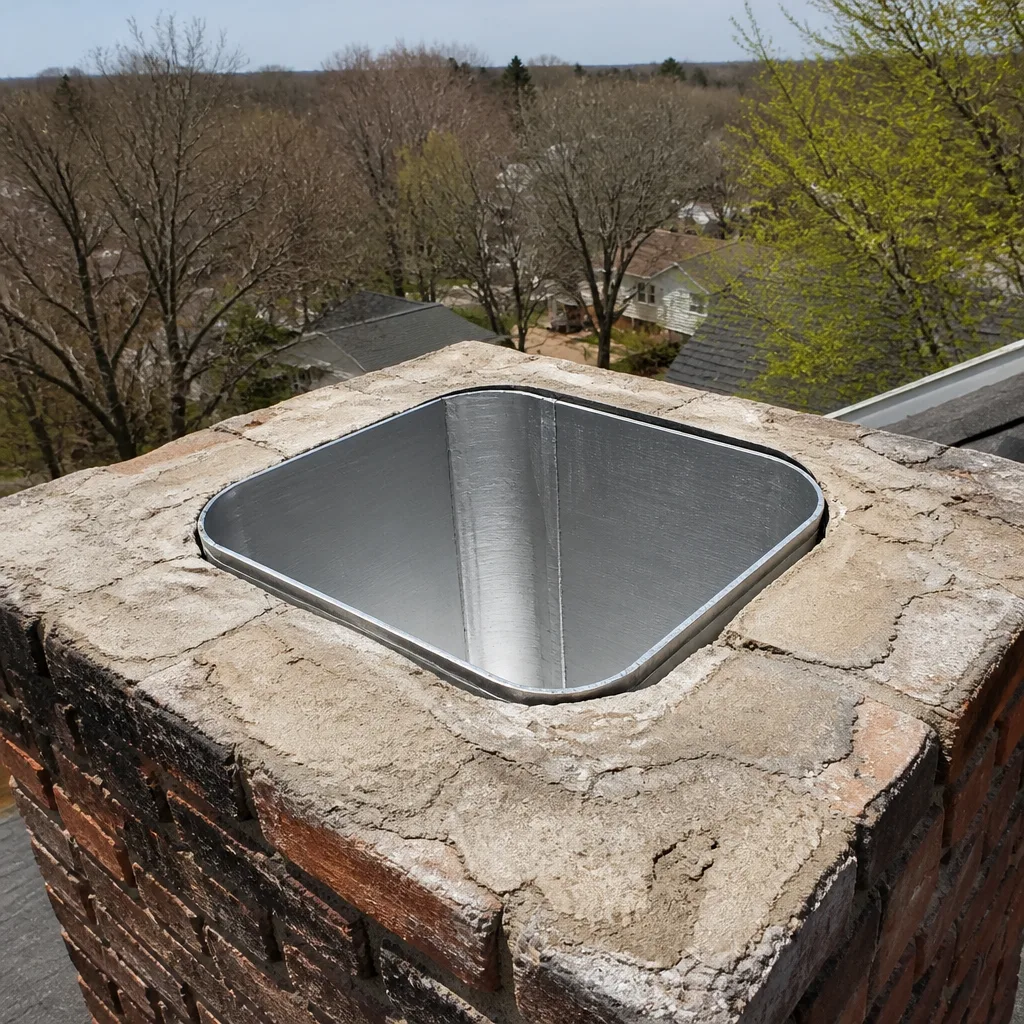 Flue relining
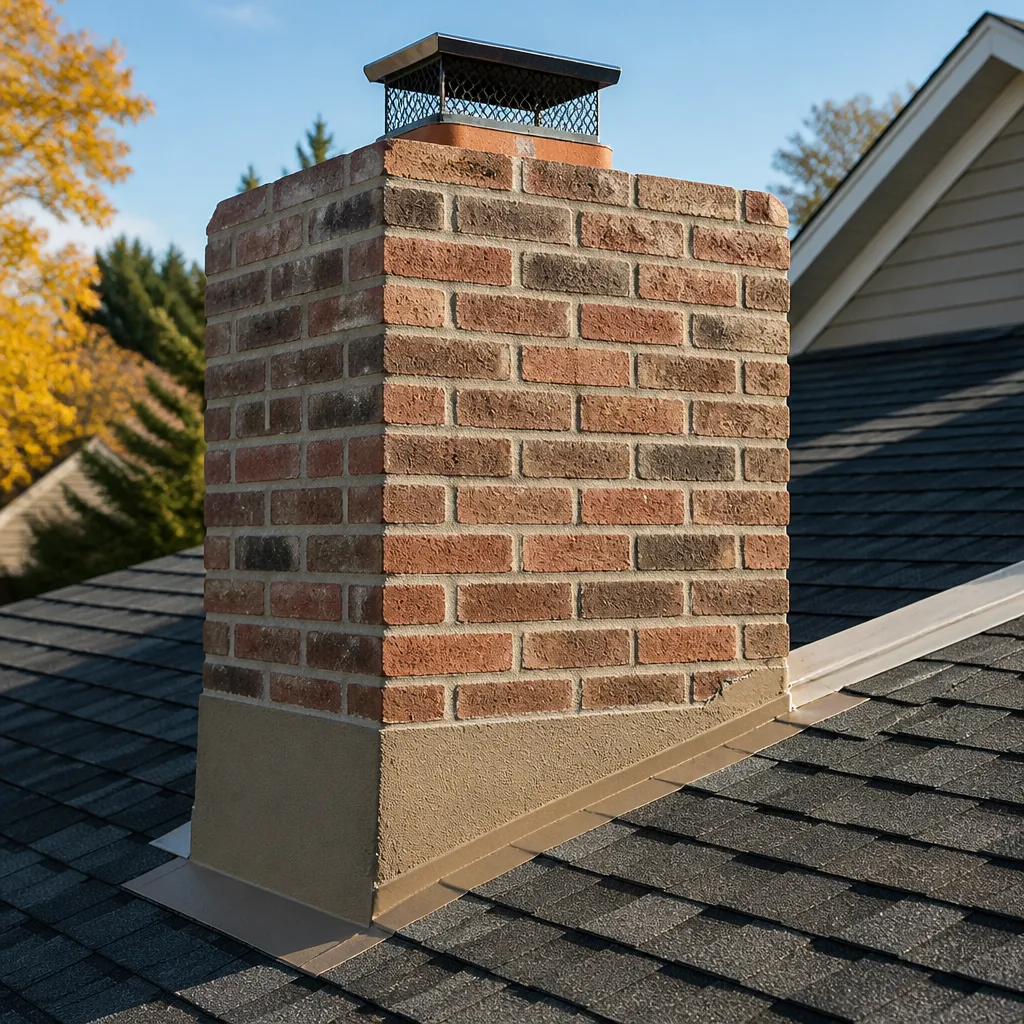 Masonry repair
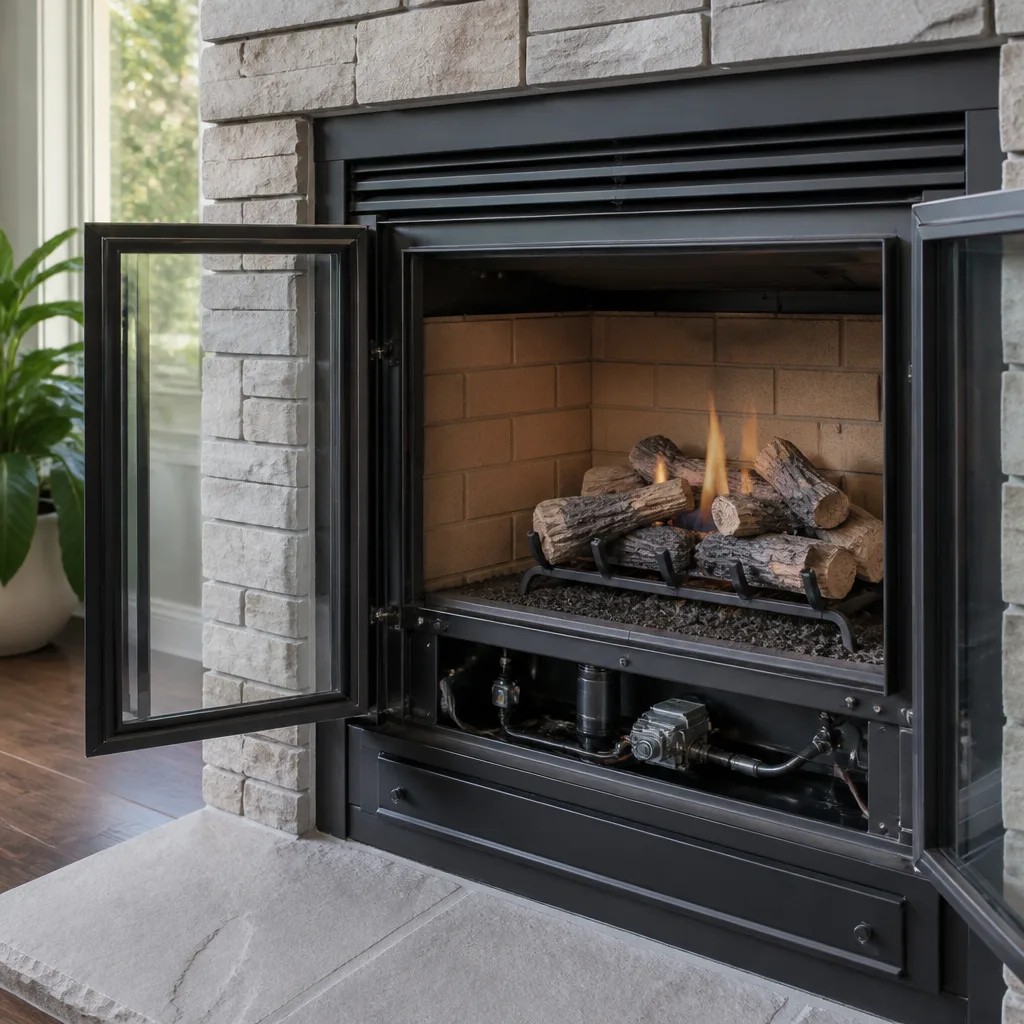 Gas fireplace service
Level 1 sweep and inspection to the NFPA 211 annual standard - flue, crown, cap, and flashing checked and photographed
Chimney sweep logs do not sweep chimneys. They loosen some creosote - which then falls where a brush and vacuum still have to collect it.
Chimney Cleaning Cost Breakdown: The Pleasant Grove Homeowner’s Reference for 2026
A $79 chimney sweep coupon in Utah County usually buys one person with a $200 brush kit and a flashlight. That’s the whole operation. The gap between that and a professional clean with a camera inspection is less than the price of a single cord of firewood, but the risk gap is enormous. Pleasant Grove homes sit under some of the highest particulate loads in the valley during inversion season, and a flue that looks clear from the hearth can hide glaze a brush won’t touch. This guide breaks down where every dollar goes on a 2026 chimney cleaning invoice, what separates a legitimate add-on from an upsell, and how to compare quotes on equal footing.
Quick Answer
Chimney cleaning in Pleasant Grove in 2026 typically runs $180 to $340 for a standard sweep, with most homes landing near $240. Adding a Level 1 inspection brings the total to roughly $280 to $420. Stage-3 creosote removal, liner work, or cap and crown repair push a job into the $500 to $3,200 range depending on scope. The written estimate sets the final price, and nothing is recommended without camera evidence you can see for yourself.
Styles & brands we work with
- Sweep & inspection
- Caps & crowns
- Flue relining
- Masonry repair
- Gas fireplace service
Table of Contents
- What you’re actually paying for in a Pleasant Grove chimney cleaning
- 2026 cost breakdown by service line item
- Cleaning only versus cleaning with a Level 1 inspection
- How creosote stage changes the price
- Upsell tactics versus legitimate additional services
- Total cost of ownership: cleaning versus remediation
- Pleasant Grove-specific factors that move the price
- How to compare two chimney quotes side by side
What you’re actually paying for in a Pleasant Grove chimney cleaning
When a chimney sweep quotes you a number, that number buys labor, equipment, containment, and disposal. Those four things vary wildly between operators, and that spread is where the 300% price difference in Utah County comes from. Two companies can both call the job “a sweep” and deliver completely different work.
Here’s what a professional clean includes that a cut-rate one usually skips:
- Drop cloths and a HEPA vacuum running the whole time. Soot escapes every seal, and a shop vac without a HEPA filter just blows fine ash back into your living room air. Proper containment is labor you don’t see but absolutely pay for.
- Rotary or whip cleaning, not just a hand brush. Straight flues clean fine with a brush. Offset flues and smoke chambers don’t, and Pleasant Grove homes with older masonry fireplaces have plenty of both. Powered rotary heads are expensive equipment that gets amortized into the price.
- Firebox and smoke shelf cleanup. Most of the creosote and ash you can actually smell lives below the damper, not up the flue. A sweep that only does the flue leaves the worst of it behind.
- Disposal. Somebody has to bag and haul the soot. That’s not free.
- Evidence. A camera run with photos sent to you is what separates a professional clean from a chore. It’s also what makes the next recommendation verifiable.
Compare two quotes and ask each company exactly what’s in the box. If the $79 quote can’t answer in specifics, that’s the difference you’re paying for against a chimney sweep with a documented process.
2026 cost breakdown by service line item
These are typical estimated ranges for the Pleasant Grove market in 2026. Every job is different, and the written estimate is what actually sets your price.
| Service | Typical range | What drives the price |
|---|---|---|
| Standard sweep (wood-burning masonry fireplace) | $180 – $280 | Flue size, access, amount of ash in the firebox |
| Standard sweep (gas insert or prefab) | $150 – $240 | Simpler flue access, no creosote in the classic sense |
| Sweep plus Level 1 inspection | $280 – $420 | Camera, checklist, written report with photos |
| Level 1 inspection (standalone) | $120 – $200 | Standalone assessment, no cleaning required |
| Stage-1 creosote only (light, sooty) | Included in standard sweep | Brush work handles it |
| Stage-2 creosote (hard, crumbly glaze) | $300 – $550 | Rotary head time, more containment, longer labor |
| Stage-3 creosote (glazed, tar-like) | $500 – $1,200+ | Chemical treatment cycle, sometimes multiple visits |
| Chimney cap installation | $150 – $400 | Stainless vs. galvanized, custom sizing, flue count |
| Crown repair or rebuild | $350 – $1,500 | Size, whether the crown is cracked or fully failed |
| Chimney liner resurfacing with HeatShield | $2,000 – $3,200 | Flue length, number of flues, extent of damage |
Not one of those numbers should appear on an invoice as a surprise. If you’re quoted one price on the phone and a different one on arrival, the phone call wasn’t an estimate, it was a hook. Our estimates are free, in writing, and the price doesn’t move once the sweep begins.
Cleaning only versus cleaning with a Level 1 inspection
A clean without an inspection answers one question: was the flue sooty? An inspection answers whether it’s safe to burn again. These are different jobs, and skipping the inspection is where people find out the hard way that the flue they’ve been using has a cracked tile 12 inches above the damper.
A Level 1 inspection is visual only. No tools go into the flue beyond a camera. It checks:
- The firebox for cracked brick, failed mortar joints, or compromised firebrick
- The damper for operation and fit
- The smoke chamber for bridging or gaps
- The flue interior via camera, looking for tile cracks, spalling, or gaps between the tiles
- The cap and crown from the roof, checking for cracks, rust, or missing sections
- The firebox-to-flue connection for leaks
The cost difference between a clean alone and a clean plus Level 1 inspection in Pleasant Grove runs $60 to $140. One cracked flue tile that lets creosote seep behind it, or that lets carbon monoxide drift into the room, is a repair in the multiple-thousands. The math isn’t close.
In our experience, the calls that start with “I just want a sweep” and end a week later with a liner replacement overwhelmingly come from years of clean-only service. Skipping the inspection isn’t saving $100. It’s postponing the day you find out, at the worst possible time, usually the first cold night of the season.
How creosote stage changes the price
Sweeps talk about creosote in three stages because each stage demands a different method, and the method dictates the labor. Here’s what each stage means when it shows up on an estimate.
- Stage 1: soft, sooty, flaky. This is normal for a fireplace that gets swept annually and burns dry, seasoned wood. A brush or rotary head clears it in the standard sweep. No price adjustment.
- Stage 2: hard, crumbly, black crust. Creosote has solidified on the flue walls. Rotary heads with metal or chain whips run longer to knock it down. More containment, more cleaning time, more bagging. Adds $120 to $270 to a standard quote.
- Stage 3: glazed, tar-like, mirror-shiny. This is the dangerous one. A brush will slide right over it. It requires chemical treatment (a powdered creosote conditioner that changes the molecular structure of the glaze over a heating cycle) followed by a return visit to sweep what loosened. Two visits, sometimes three. Adds $300 to $700 or more to a standard quote.
Pleasant Grove gets this question constantly in the fall. Three things drive creosote formation: how dry the wood was, how restrictive the flue is (a cold exterior chimney running up an outside wall stays cold, and creosote condenses on cold surfaces), and how much the fireplace is used. An unseasoned wood pile out back and a chimney that runs cold up the exterior wall is a stage-2 receipt waiting to happen.
The stages aren’t cosmetic. Stage 3 is what catches fire. When it does, the fire in the flue can reach temperatures that crack tile, warp metal dampers, and in the worst case spread into the framing of the home. That’s not a scare tactic, it’s the reason every chimney standard in the country treats glazed creosote as a stop-burning condition. Getting it removed at stage 2 for a few hundred dollars versus dealing with it at stage 3 after a fire is the whole reason we recommend annual service.
Upsell tactics versus legitimate additional services
A legitimate recommendation comes with camera evidence and a clear safety reason. An upsell comes with urgency and no pictures. That single test answers most of this section.
Here’s how to tell them apart cleanly:
- Legit: “Your flue has a 3-inch crack in the tile at this height. Here’s the photo. Here’s the video. Here’s why it matters.” Upsell: “Your flue looks pretty bad up there. You need a liner.”
- Legit: “Your crown has a visible crack letting water into the masonry. Here’s what water intrusion does over the next two winters if we don’t address it.” Upsell: “Your crown is shot. We should replace it while we’re up there.”
- Legit: “You can safely wait on the firebox mortar repair until spring. Nothing here is a fire risk this season.” Upsell: anything framed as urgent without a safety reason.
- Legit: “Your cap is missing. Here’s what that means for water and wildlife.” Upsell: pitching a cap without showing you the missing cap.
A professional sweep will always tell you when work can safely wait. That’s not us being generous. It’s the difference between a company that expects to be back next year and one that needs this visit to be profitable. Our chimney repair recommendations come with photos every time, and we’ll say plainly which items can wait until spring.
The add-ons that are actually worth the money when the evidence supports them: cap installation (usually $150 to $400, protects against water and animals), crown repair (prevents the single most common water intrusion point), a fireplace repair for a cracked firebox or failing damper, and liner resurfacing when the flue is compromised but still structurally sound. Each has a specific problem it solves, and each should be presented to you with the photo that justifies it.
Total cost of ownership: cleaning versus remediation
An annual professional clean in Pleasant Grove runs about $180 to $340. That’s the number to hold in your head while you read the next two paragraphs.
What happens if you skip it for a few years? Two costs, and neither is small:
- Chimney fire remediation. A creosote fire damages the flue lining, the damper, and sometimes the crown and masonry, and remediation frequently involves relining the entire flue, repairing firebox brick, and replacing the damper. Costs run from $3,000 into five figures depending on how much burned. This isn’t a scare number. It’s the standard range once fire damage is in play.
- Liner replacement. Even without a fire, a flue neglected long enough to spall and crack tiles requires relining. A HeatShield resurfacing runs $2,000 to $3,200; a full liner replacement for the same flue runs higher. Either way, the flue becomes unusable for wood-burning until the work is done.
Run the math. Ten years of annual cleaning at roughly $250 per visit lands near $2,500. One liner resurfacing alone, on the low end, starts at $2,000. And that’s before the fire remediation scenario. The “expensive” option is skipping maintenance. The cheap option is doing it on schedule.
We use HeatShield for liner resurfacing because it’s a professional chimney system that rebuilds a compromised flue from the inside without a full tearout, and it’s not available to a DIY homeowner or a general contractor who sweeps chimneys on the side. If a quote can’t tell you the product name, that’s a signal.
Pleasant Grove-specific factors that move the price
Pleasant Grove sits at the foot of the mountains where the valley floor meets the bench, and that geography shapes chimney work in ways a national cost calculator will never capture.
Winter inversions. Utah County’s cold-air inversions trap smoke at the surface for days at a stretch. Chimneys that draft poorly during a stable atmosphere don’t just smell. They push exhaust back into the room, and homeowners who burn through an inversion often notice creosote buildup accelerates. It’s one reason annual cleaning matters more here than in a windy, wide-open climate.
Housing stock. Pleasant Grove’s older neighborhoods have a mix of mid-century masonry fireplaces with exterior chimneys and newer construction with prefab systems. Exterior-wall masonry chimneys run cold, which is exactly the condition that drives creosote condensation. Prefab systems have their own inspection requirements (the manufacturer’s clearance to combustibles matters and should be verified, not assumed).
Wood-burning behavior. A lot of Pleasant Grove homeowners are burning through a cord or more a year, which puts a home into the annual-cleaning category without question. Homes burning a handful of fires a season have more flexibility, though the inspection cadence shouldn’t change.
Permits. Structural chimney changes (crown rebuilds, flue relining that alters the venting path, firebox modifications) generally require a permit from the city building department. Most cities require a permit for this kind of work, so always ask before the job starts. Never assume a quote covers the permit unless it says so in writing.
The Pleasant Grove Chimney Sweep team handles the full chimney system, from the firebox to the crown, so a cap, crown, and flue repair don’t require three separate contractors and three separate visits.
How to compare two chimney quotes side by side
Comparing two chimney quotes in Pleasant Grove means comparing four specific things. If a quote doesn’t address all four, it’s not a real comparison.
- Ask what’s included in the base price. Flue sweep only? Firebox included? Camera run? Report with photos? Disposal? Every one of those is a line item for the company doing it, and a quote that leaves them out is a quote that leaves work out.
- Ask whether the technician is sweeping with rotary equipment or a hand brush. This is where the price difference often hides. Brush-only honest sweeps are fine for a clean stage-1 flue. They’re inadequate for anything above that.
- Ask what the technician will do if they find a problem. A professional stops, documents, shows you the photo, and offers you a written estimate for the additional work, with the option to wait on anything that isn’t a safety issue. A pushy technician scares you into signing on the spot.
- Ask what happens if the sweep reveals a bigger issue than expected. The answer should be: the price holds to the original estimate for the agreed scope, and any additional work gets a separate written estimate before it starts.
Our technicians have up to 14 years of experience, and the approach we train on is simple: sweep, inspect, document, and present the findings with photographic evidence. Our inspections are also offered as a standalone product. No work is required for you to get a straight answer about your chimney.
Common Mistakes to Avoid
- Chasing the $79 coupon. A coupon sweep is a hook. The upsell on arrival is where the company makes its money. Ask for the full price in writing before anything starts, and compare apples to apples against a real quote.
- Skipping the inspection to save $100. The inspection is the safety baseline. It’s what tells you whether the flue you’re about to fire up is sound. Saving the inspection and finding out the flue has a cracked tile in January is a far more expensive mistake.
- Burning unseasoned wood to save money on firewood. Wet wood drives creosote formation faster than anything else. If you’re buying green wood, you’re paying for a chimney fire in two winters. Verify the wood is seasoned before it goes in the firebox.
- Assuming a gas insert means no chimney service. Gas inserts still need the flue and vent checked, and the firebox and surrounding structure still get inspected. The creosote risk is different, but the inspection cadence isn’t zero.
- Letting a general contractor handle chimney liner work. Liner resurfacing with a professional-grade product isn’t a handyman job. The application method, the product, and the fit all matter. Ask which product goes on the flue and who’s applying it.
- Ignoring the crown and cap because “the chimney still works.” Water intrusion through a failed crown is what destroys masonry, and it’s what leads to the liner replacement you didn’t plan for. The two most common points of water entry are both cheap to fix and expensive to ignore.
- Taking the cheapest quote and assuming the difference is profit margin. The spread between quotes in Pleasant Grove reflects equipment, training, product, and what’s actually in the sweep. The lowest quote is almost never delivering the same job as the highest, and understanding that difference is the whole point of this guide.
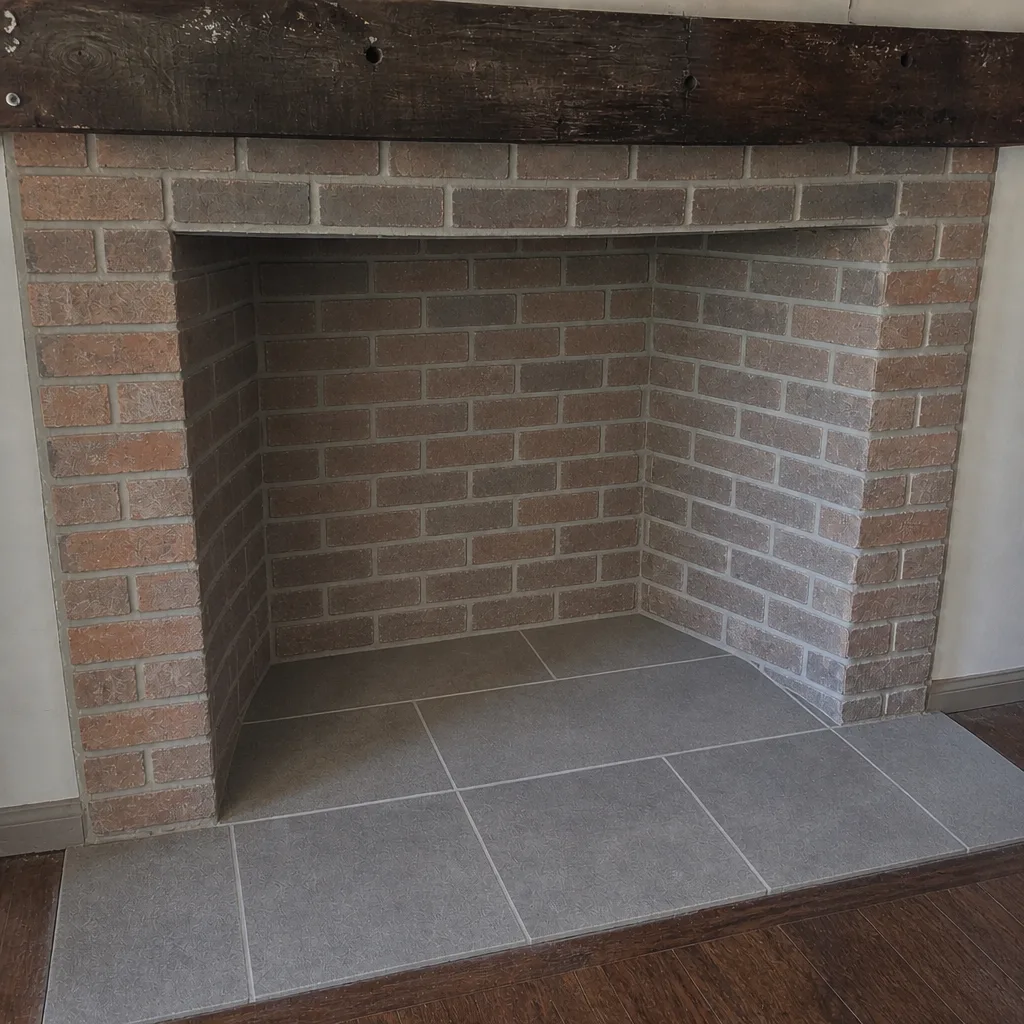
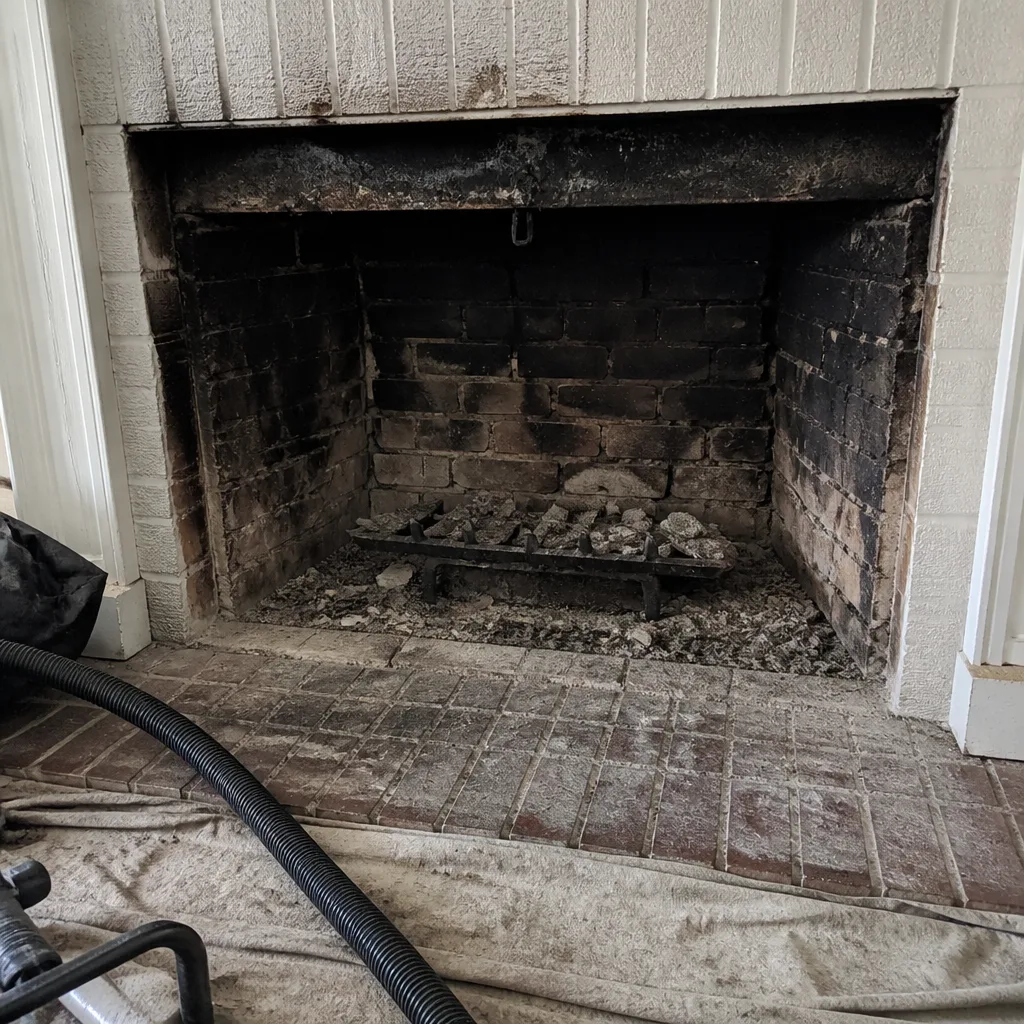
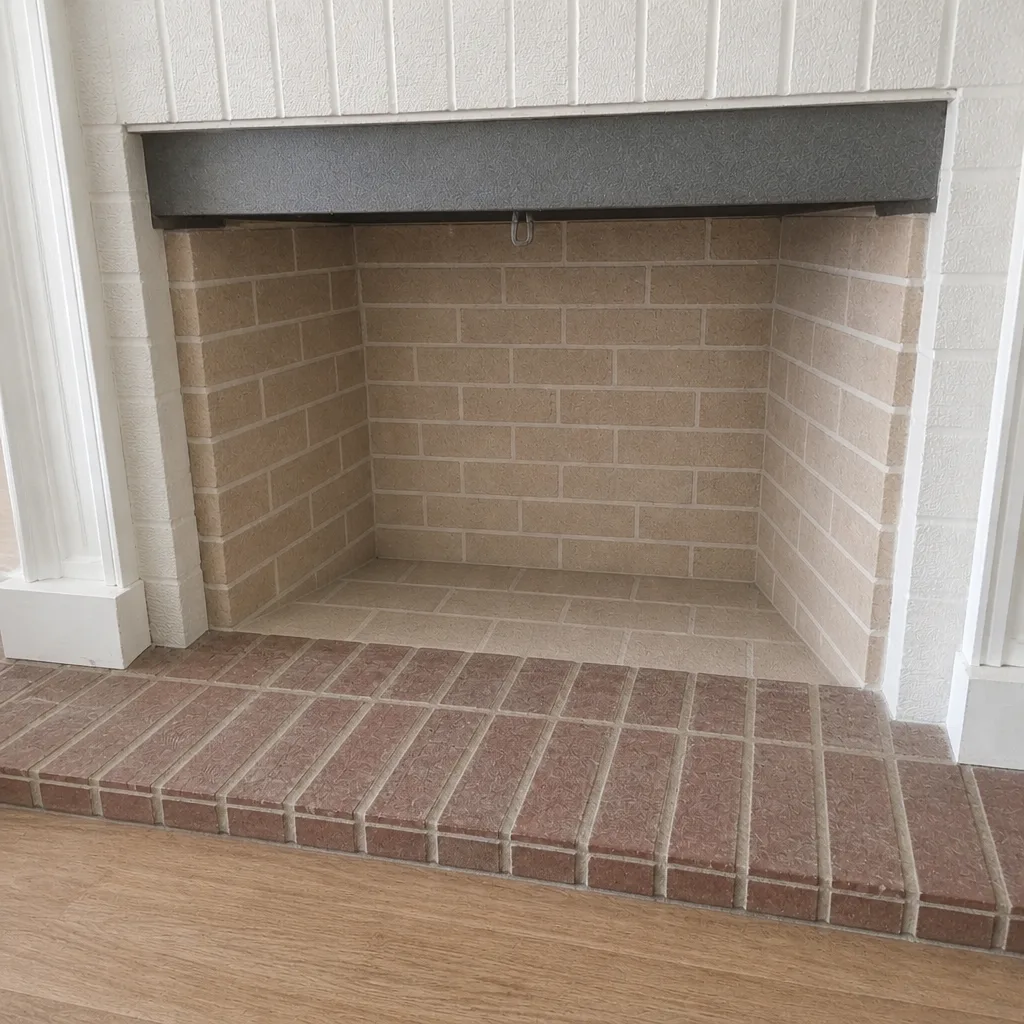
See the difference
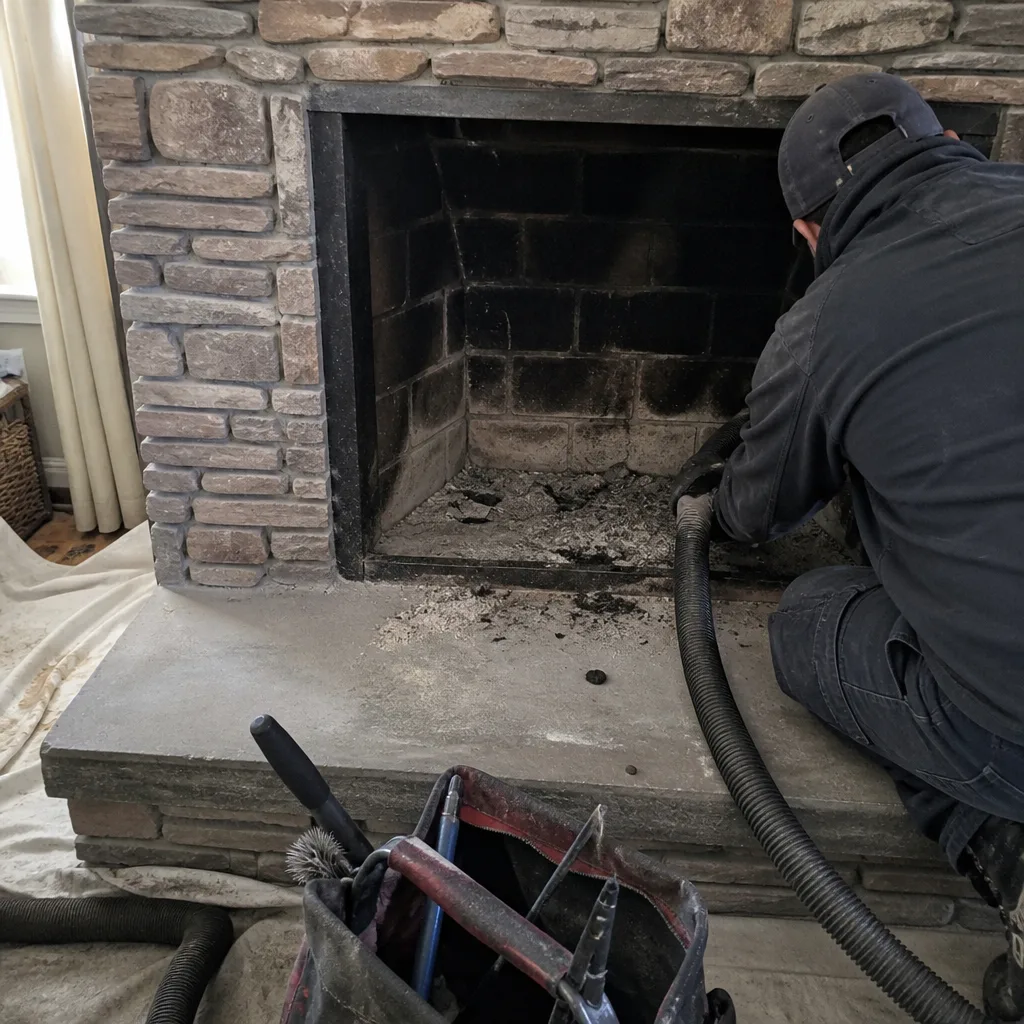 Before
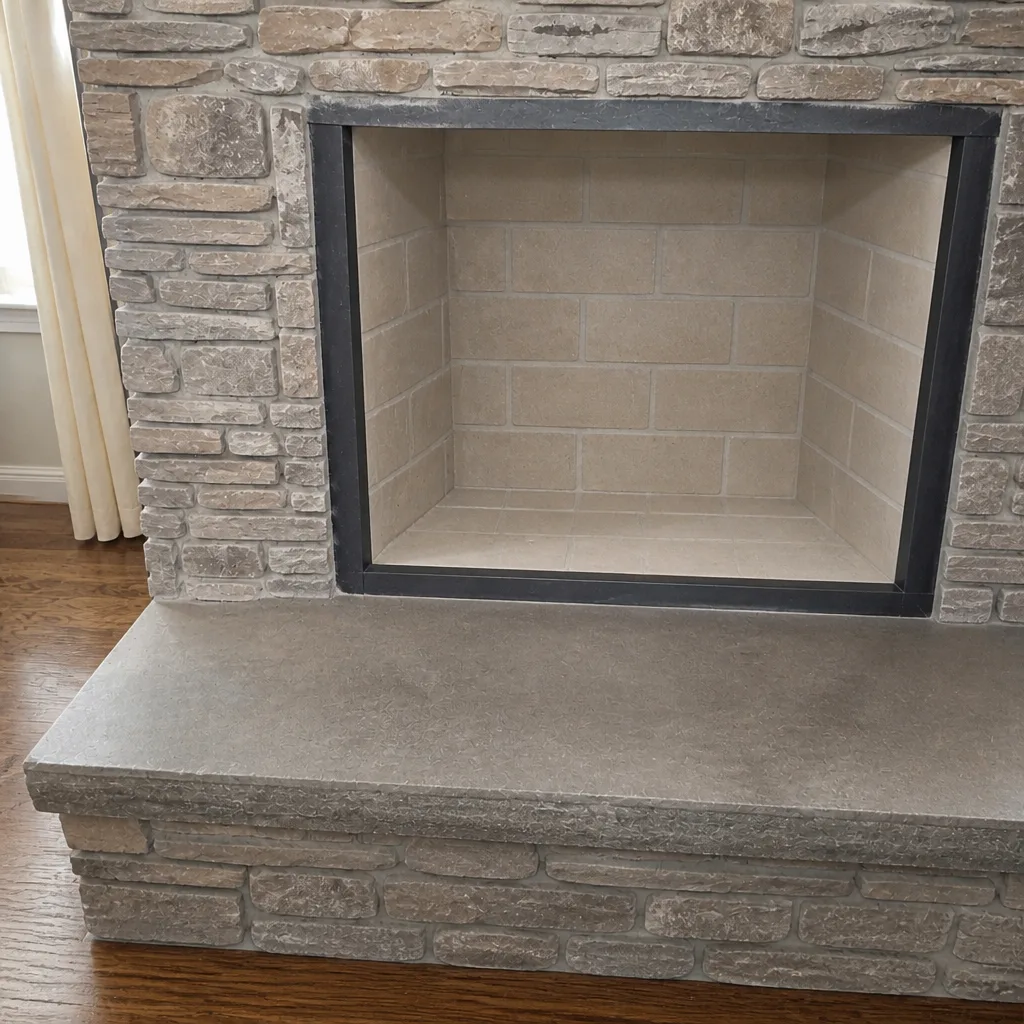 After
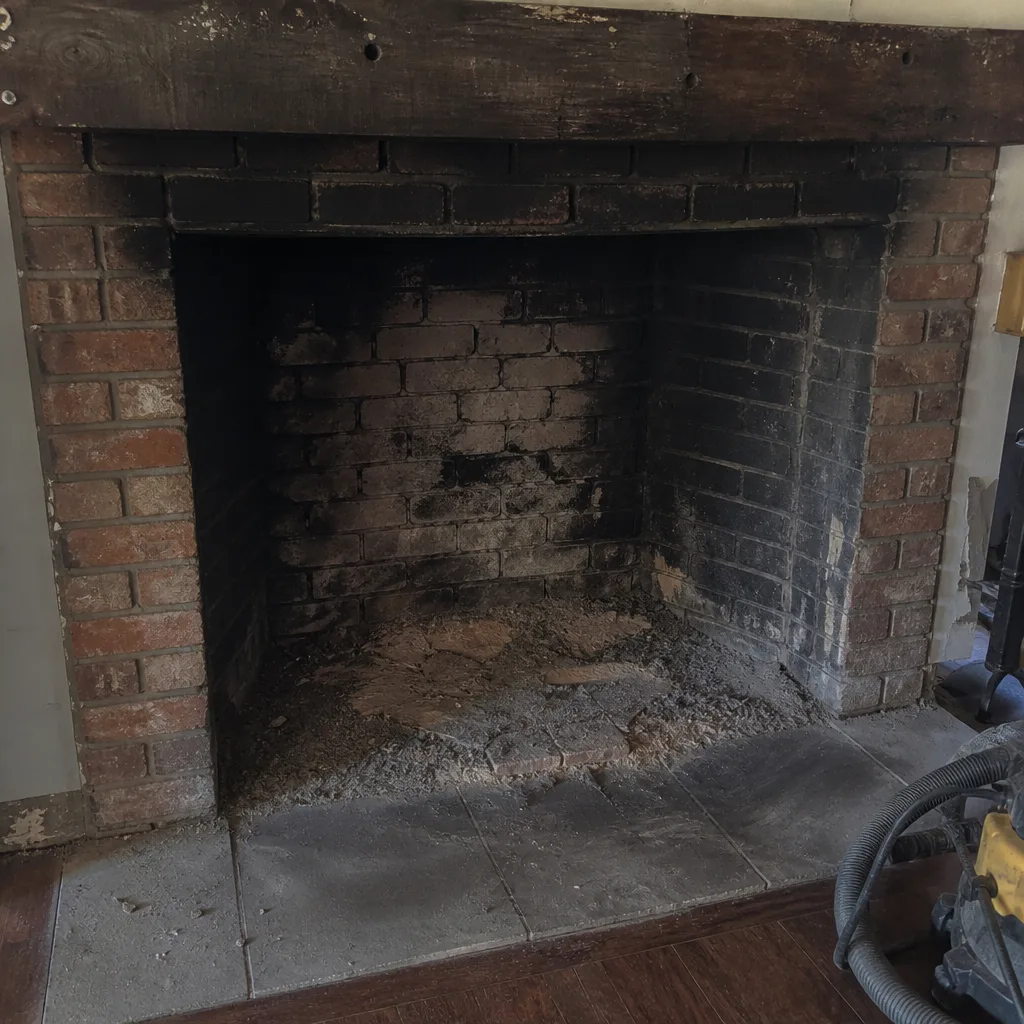 Before
 After
 Before
 After
When to Call a Professional
Call a professional if you can’t remember the last time your chimney was swept, if the flue has visible creosote crusting, if you smell a strong smoky or tar-like odor even when the fireplace is cold, if the firebox brick has visible cracks or missing mortar, or if your chimney cap or crown has been damaged in a storm. Call if your carbon monoxide detector has ever gone off, if smoke rolls back into the room when you burn, or if the damper is stiff or won’t close fully. None of those situations is a “wait and see.” And if your last cleaning was a coupon sweep and no inspection was done, call and get the inspection before the next fire.
Pleasant Grove Chimney Sweep offers free estimates in Pleasant Grove. Call (833) 509-5365. We answer 24/7. Fast dispatch from 7am to 7pm, Sunday through Friday. We’re closed Saturday. A call outside dispatch hours is booked into the next opening, Sunday through Friday, 7am to 7pm.
Frequently Asked Questions
A standard chimney sweep in Pleasant Grove typically costs $180 to $340 in 2026, with most homes landing near $240. Adding a Level 1 inspection brings the total to roughly $280 to $420. Stage-2 and stage-3 creosote removal, cap and crown work, or liner resurfacing push the price higher, and the written estimate sets the final price. Call (833) 509-5365 for an exact quote. Estimates are free.
Probably not, and any recommendation for a new liner should come with camera evidence and a photo you can see for yourself. A flue with visible cracking or spalling can sometimes be resurfaced with HeatShield instead of fully relined, which is a lower-cost option than people expect when the underlying structure is sound. If the flue is intact and only the crown or cap is failing, that’s a much smaller repair. Call (833) 509-5365 and we’ll tell you plainly whether the evidence supports a liner or whether the work can wait.
At least once a year if you burn wood regularly, and once a year for inspection even if the firebox gets light use. Pleasant Grove homes burning a cord or more of wood per season should be on an annual cadence without exception. Homes with gas inserts still need an inspection to verify venting and the surrounding structure, though the cleaning itself is often less intensive. Call (833) 509-5365 to book the sweep before the burning season starts.
Creosote accumulates in stages, and stage 3 (glazed, tar-like buildup) is the condition that catches fire. A chimney fire can crack the flue tiles, warp the damper, and damage the surrounding masonry, which turns a $240 sweep into $3,000 or more in remediation. Even without a fire, long-neglected flues spall and crack and eventually need relining. Call (833) 509-5365 for a sweep and a straight answer about whether your flue is on borrowed time.
Yes, and especially in Pleasant Grove where exterior-wall chimneys run cold and creosote builds quickly. A camera inspection sees what a brush and a flashlight can’t: cracked flue tiles, gaps in the smoke chamber, and cap or crown issues from the roof line. We offer inspections as a standalone service, so you can get an honest read on your chimney without committing to any work. Call (833) 509-5365 to book one.
Sometimes yes, and we’ll say so plainly when it’s safe to wait. Water intrusion through a failed crown or missing cap is the leading cause of masonry damage, so waiting a few months is usually fine if the surrounding brick is sound and the next freeze cycle isn’t imminent. Waiting multiple seasons is not. We’ll look at the evidence, tell you which category you’re in, and let you decide. Call (833) 509-5365 for a free estimate.
The Bottom Line
Chimney cleaning in Pleasant Grove in 2026 runs $180 to $340 for a standard sweep and $280 to $420 with a Level 1 inspection. That’s the honest baseline. Everything above it should come with a camera photo, a specific reason, and a written estimate. Stage-3 creosote, liner issues, and crown damage are real problems when they exist, and they’re not real when a sweep is only trying to sell you something. Comparing quotes on equal footing means asking what’s actually in the box, which product goes on the flue, and whether the technician will tell you when work can wait. Our technicians have up to 14 years of experience, we use professional-grade materials from Gelco and Olympia Chimney for the components that require them, and our estimates are free. Call (833) 509-5365 for a written estimate. We answer 24/7. Fast dispatch from 7am to 7pm, Sunday through Friday, closed Saturday.
Also worth a look before you book: our guide to fireplace repair and chimney repair covers what happens when a small problem gets left alone. They’re the two most common follow-ups to a sweep that found something.
Written by the team at Pleasant Grove Chimney Sweep.