
Last updated November 24, 2026
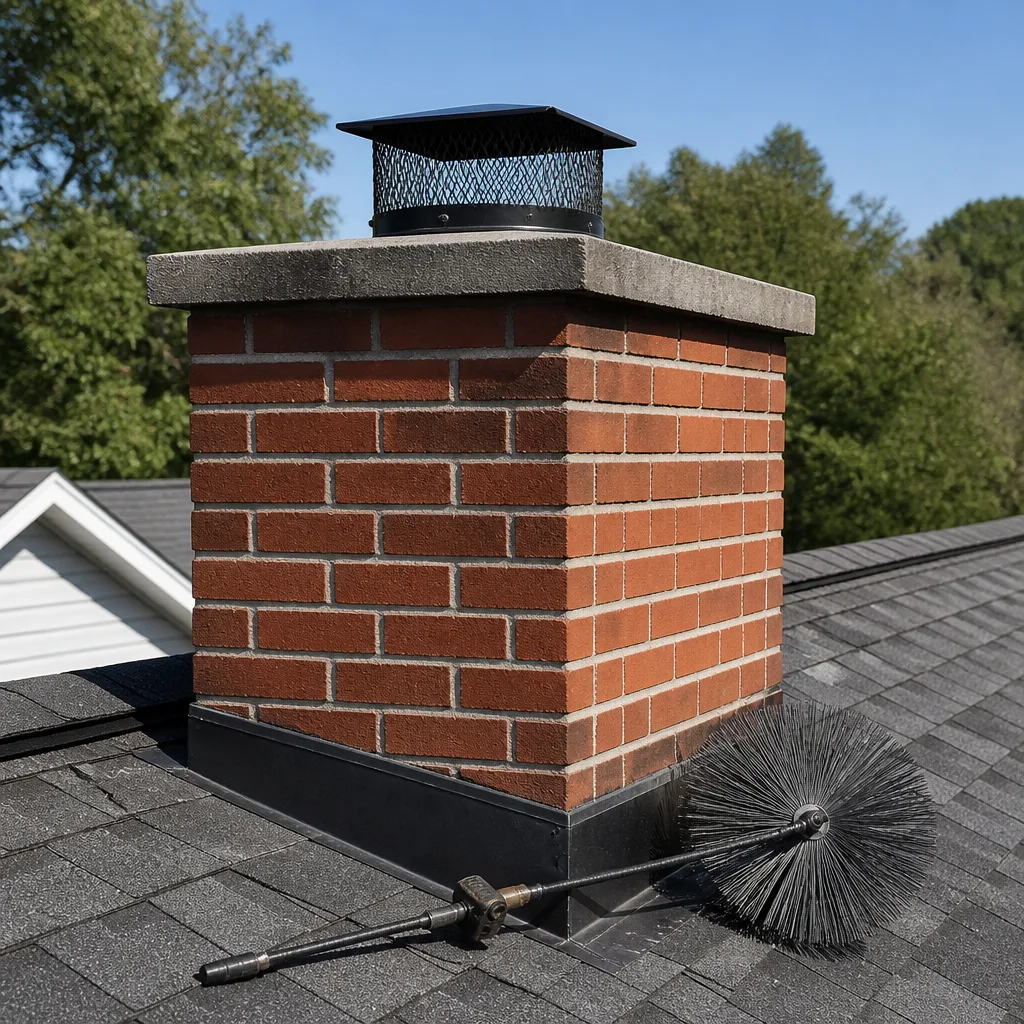 Sweep & inspection
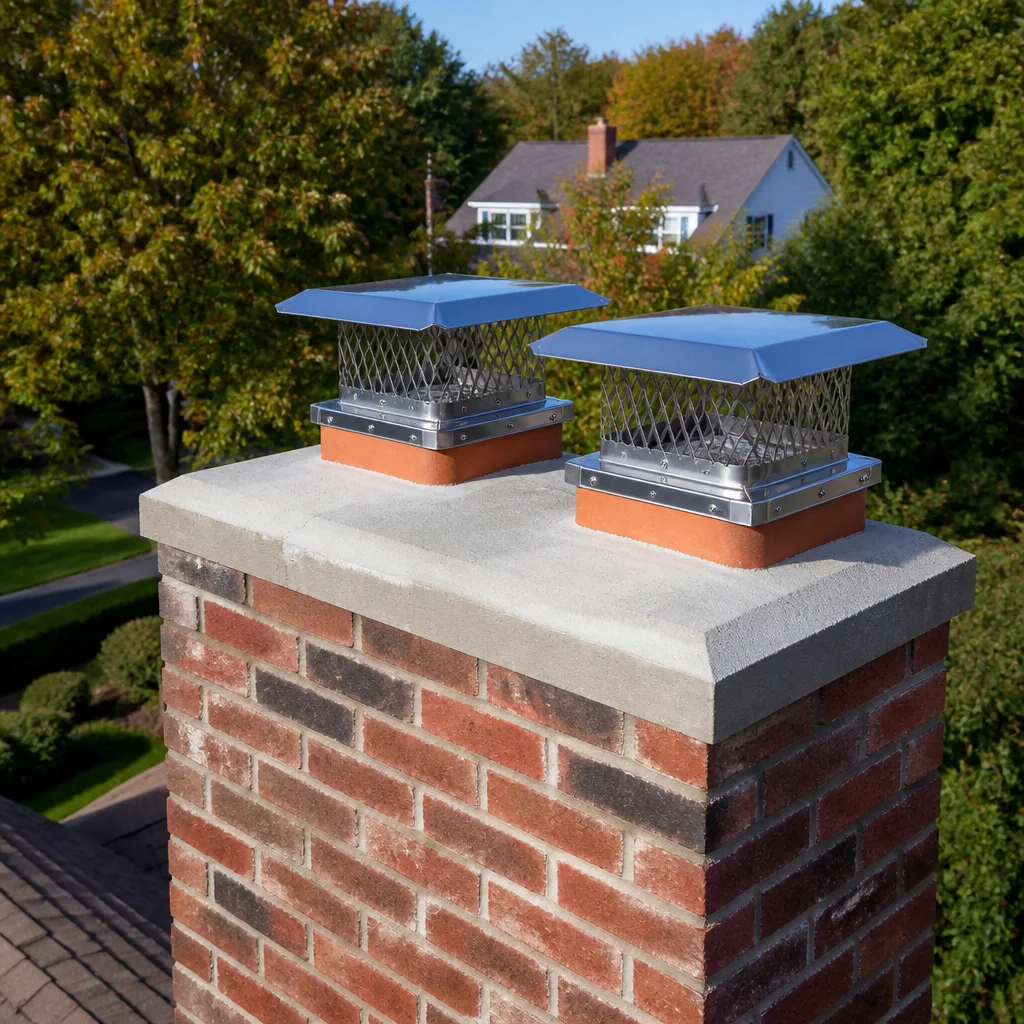 Caps & crowns
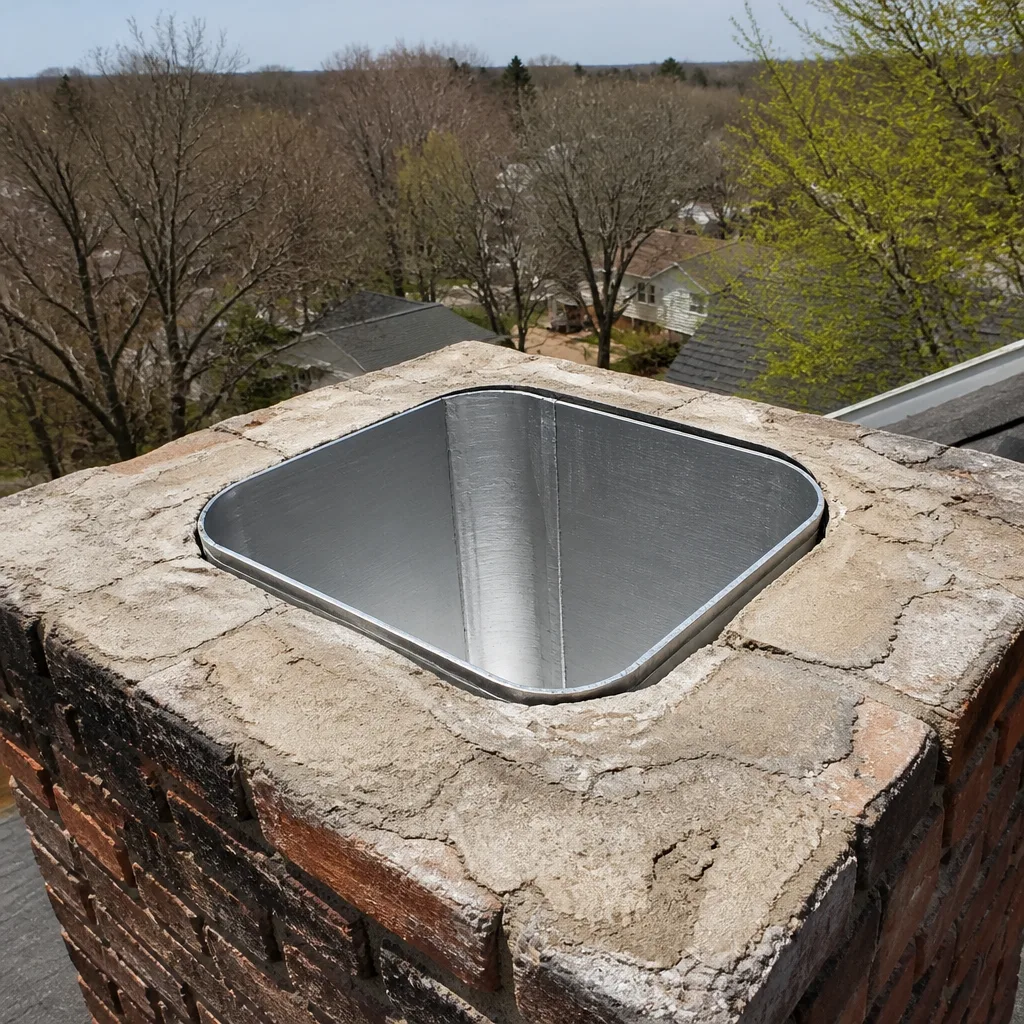 Flue relining
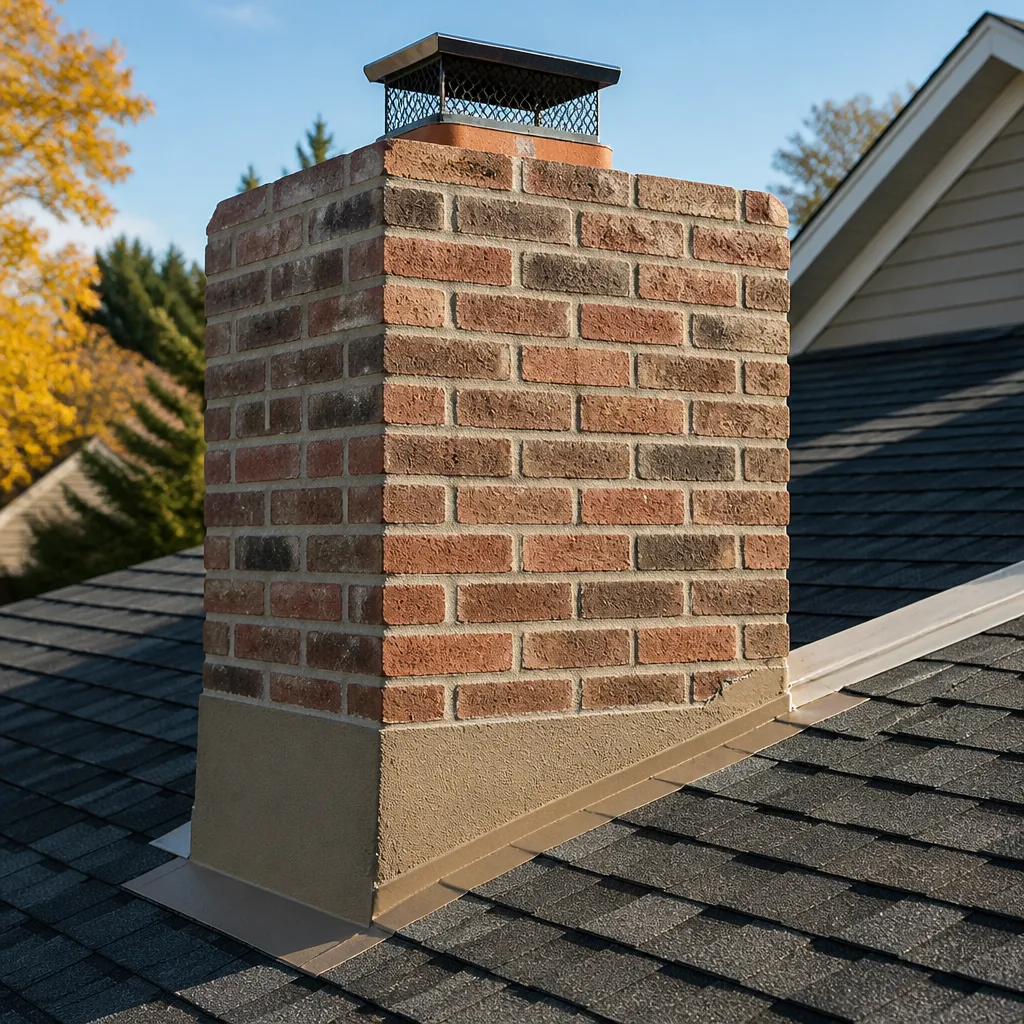 Masonry repair
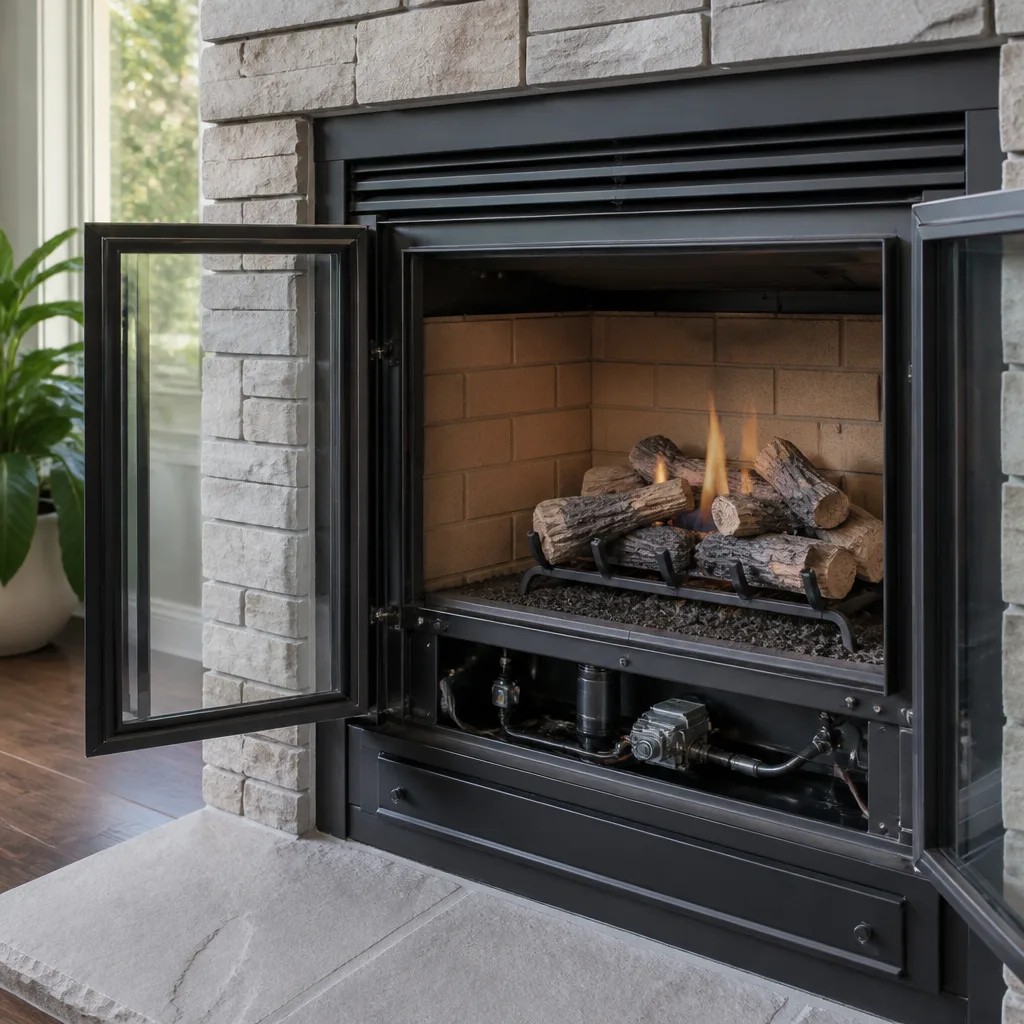 Gas fireplace service
Level 1 sweep and inspection to the NFPA 211 annual standard - flue, crown, cap, and flashing checked and photographed
Chimney sweep logs do not sweep chimneys. They loosen some creosote - which then falls where a brush and vacuum still have to collect it.
Chimney Cleaning Permits, Codes & Inspections in Pleasant Grove, UT: What You Need to Know
Most chimney work in Pleasant Grove needs no permit at all, and that’s exactly where homeowners get into trouble. A routine sweep is exempt, so nobody asks questions, and a few seasons later a contractor proposes a full liner replacement or a firebox rebuild with no mention of the building department. The work happens, the check clears, and the homeowner never learns whether the job would have passed an inspection. This guide draws the line clearly: which services in Pleasant Grove are exempt, which cross into permit territory under Utah codes, what “code compliant” actually means when someone says it in your living room, and how to verify that work on your chimney was done properly.
Quick Answer
In Pleasant Grove, routine chimney sweeping and Level 1 visual inspections generally do not require a permit. Work that alters the chimney system itself, such as liner replacement, firebox or masonry rebuilds, new appliance installation, or significant changes to the flue, typically does require a permit through the city’s building department and must meet NFPA 211 standards plus any Utah amendments. A Level 2 inspection is required in specific circumstances (property sale, appliance change, or after a chimney fire) and recommended in others. If you’re unsure which category your job falls into, the answer is a phone call to the building department, not a guess.
Verifying what’s been done to a chimney before you own it is where most Pleasant Grove homeowners feel lost. We’ll get to that. If you want a plain-language read on your own chimney first, our team handles chimney sweep and inspection work across the city and can tell you what we find in writing.
Styles & brands we work with
- Sweep & inspection
- Caps & crowns
- Flue relining
- Masonry repair
- Gas fireplace service
Table of Contents
- Which Chimney Services Need a Permit in Pleasant Grove?
- NFPA 211, Utah Amendments, and What “Code Compliant” Really Means
- Level 2 Inspections: When They’re Required vs. Recommended
- What Happens When Prior Unpermitted Work Turns Up During a Cleaning
- How to Pull Permit and Inspection Records for Your Chimney
- Why Pleasant Grove’s Climate and Housing Stock Change the Picture
- Chimney Code and the Pleasant Grove Real Estate Transaction
- How to Vet a Chimney Contractor Before Work Starts
Which Chimney Services Need a Permit in Pleasant Grove?
The cleanest way to think about it: cleaning and evaluating don’t need a permit, and changing the system usually does. A sweep removes creosote from an existing flue. It doesn’t alter the structure, so the city has no reason to review it. The moment a contractor cuts into the chimney, replaces a liner, rebuilds a firebox, or installs a new stove or insert, the work affects fire safety in a way that building departments want eyes on.
Here’s the rough split as it typically applies in Pleasant Grove and across Utah County. Confirm the specifics with the city’s building department on any given job, because interpretations shift and your situation may have details that change the answer.
Usually exempt (no permit)
- Routine chimney sweeping and creosote removal
- Level 1 visual inspection of an accessible chimney
- Level 2 inspection with a camera (an evaluation, not construction)
- Chimney cap replacement, where the cap mounts to an existing crown or flue without structural change
- Minor crown patching that doesn’t involve rebuilding
- Cleaning and servicing of an existing appliance without altering the venting
Usually requires a permit
- Liner replacement or relining, including poured or cast-in-place systems
- Firebox rebuilds and significant masonry repair to the chimney structure
- Installation of a new wood stove, fireplace insert, or gas appliance and its venting
- Changes to the flue’s height, size, or termination
- Chimney removal, or changes that affect structural support
- Crown reconstruction, when it involves rebuilding rather than sealing
The list isn’t perfect because real chimneys don’t fit neatly into categories. A cap job can turn into a crown rebuild once the old crown is opened up. That’s why the conversation about permits belongs before the work begins, not after a truck is already on the roof. When our team quotes chimney repair, we tell you up front which jobs are likely to trigger a permit so you’re never surprised mid-project.
NFPA 211, Utah Amendments, and What “Code Compliant” Really Means
“Code compliant” gets thrown around a lot, and most homeowners never ask what it means. It means the chimney meets NFPA 211, the national standard for chimneys, fireplaces, vents, and solid fuel appliances, as adopted and amended by the State of Utah and applied by Pleasant Grove through its building department. That’s the short version.
The longer version matters because NFPA 211 covers a lot of ground. It addresses flue sizing, clearance to combustibles, liner condition, chimney height above the roof, the crown, the cap, and more. When a contractor tells you your chimney is code compliant, they’re making a claim about all of those things at once. Whether they actually checked is a different question.
What to ask when someone says “code compliant”
- Which standard are you citing? The answer should name NFPA 211 specifically.
- What did you actually inspect? A visual look from the firebox isn’t the same as a camera inspection of the flue.
- Is there a written report? A claim without documentation is a claim you can’t verify.
- Was a permit pulled for the work you’re describing? If not, why not?
- Would this pass a city inspection today? Ask directly. A straight answer tells you a lot.
Utah doesn’t rewrite NFPA 211 wholesale, but local amendments and the state’s adoption of the International Residential Code affect how the standards are applied. In practice, that means the national standard plus what your local building department actually enforces. When a contractor cites code without knowing which code Pleasant Grove is currently enforcing, that’s a sign to slow down.
Our technicians have up to 14 years of experience and have inspected a wide range of chimney systems around Pleasant Grove, from new construction to older homes near the downtown core. When we hand over an inspection report, we cite what we found against the standard, and we include photos so you can see it too.
Level 2 Inspections: When They’re Required vs. Recommended
Chimney inspections come in three levels, and knowing which one you need is the difference between an honest assessment and a sales pitch. Level 1 is a visual check of accessible portions. Level 2 adds a video camera inspection of the flue interior and the accessible portions of connected appliances. Level 3 involves opening walls or structure and is rare.
When a Level 2 inspection is typically required
- Sale or transfer of the property (buyers and their lenders often ask for it)
- After a chimney fire or a suspected one
- After a damaging event like an earthquake or severe weather that may have affected the structure
- When you change to a different fuel or appliance type
- After a significant change to the chimney system
When it’s strongly recommended
- Before the first fire of the season in an older Pleasant Grove home
- If your chimney hasn’t been inspected in the past few years
- Any time you notice draft issues, smoke backflow, or water intrusion
- Before you commit to any major repair work, so the recommendation is based on evidence
We offer inspections as a standalone service in Pleasant Grove. You don’t have to buy a sweep first, and you don’t have to agree to any repair work to get an honest report. If the chimney is in good shape, the report says so, and you can go back to using the fireplace. That’s the point of an inspection: knowing what you’re working with before the first fire, not creating a punch list.
The other thing to understand: a Level 2 is a camera inspection. Camera evidence is the difference between “we recommend a liner” and “here’s what we saw.” When we suggest fireplace repair or a liner decision, you see the footage before you decide anything.
What Happens When Prior Unpermitted Work Turns Up During a Cleaning
This is the scenario that worries people most quietly. You call for a routine sweep, and the technician finds something that doesn’t look right: a liner installed in a way that doesn’t match the appliance, a firebox that’s been patched with the wrong material, or a flue that was relined without the necessary clearances. How the tech handles that moment tells you almost everything about the company.
Unpermitted work isn’t automatically dangerous. It just hasn’t been verified. That distinction matters, and a good technician holds it without either minimizing the issue or using it to sell a full rebuild.
What a responsible response looks like
- Document it. Photos and written notes, with the actual findings spelled out.
- Explain what it is. Not just “this is wrong,” but why the arrangement doesn’t match the appliance or the standard.
- Separate safety issues from cosmetic issues. Some findings need immediate action. Some don’t.
- Recommend a path, including doing nothing where appropriate. Not every unpermitted install requires removal.
- Say what a permit would have checked. That helps you understand what was never verified.
On the insurance side, unpermitted liner work is worth thinking about carefully. Many homeowner policies ask whether work was permitted and inspected, and a claim after a fire may be reviewed with that question in mind. This isn’t a scare tactic, it’s the reason to sort out your chimney’s history before anything goes wrong.
If you’re buying a home in Pleasant Grove and the seller can’t produce records, a Level 2 inspection gives you the state of the system on paper. If a defect turns up, you can negotiate remediation before closing rather than discovering it in the first cold week of the year.
How to Pull Permit and Inspection Records for Your Chimney
This is the part almost nobody explains, and it’s the most useful section for a buyer or a new homeowner. You can verify whether the chimney work on your property was permitted. The process takes a phone call and a little patience.
- Start with the Pleasant Grove City building department. Call and ask how to request permit history for a specific address. They’ll tell you where the records live and what form to fill out.
- Request records by address, not by contractor. Permit archives are organized by property, not by who did the work.
- Identify permits related to the chimney. Look for permits labeled to the fireplace, hearth, flue, chimney, or masonry. Appliance permits often appear because a new insertion triggered them.
- Ask for the final inspection status. A permit that was opened but never passed a final inspection is its own kind of flag.
- Ask for any inspection reports attached to the permit. Some jurisdictions retain the inspection notes and photos; others don’t.
- Compare what you find to what’s actually on your roof. If a permit exists for a liner replacement but the current liner doesn’t match, that’s a conversation to have.
If the building department has no permit for the chimney work you can see on the property, you now know what wasn’t verified. That doesn’t mean the work was bad. It means you can’t take it for granted, and an inspection is the sensible next step.
A few Pleasant Grove properties have older structures where the historical permit isn’t easy to find and sometimes not findable at all. In those cases, an inspection is the substitute for the missing paperwork. We can look at a chimney and describe what we see, in writing, without pretending to know its history.
Why Pleasant Grove’s Climate and Housing Stock Change the Picture
Pleasant Grove sits against the foothills of Mount Timpanogos, and that geographic position shapes what happens to a chimney over time. Winters are cold enough for sustained wood burning. Snowmelt and runoff work their way into masonry and around the crown. Summer heat dries everything out and follows a winter of accumulated creosote, and the freeze-thaw cycles in between loosen mortar and widen hairline cracks.
Those same freeze-thaw cycles are the reason cap and crown work matters more here than in warmer places. Water finds the defects, freezes, expands, and shoves masonry apart a little at a time. A hairline crack in the crown in spring becomes a spot for water to enter by the following winter. Left alone, it contributes to water damage that shows up inside the chimney and sometimes inside the house.
What we see most often in Pleasant Grove
- Crowns that have cracked along older mortar joints
- Caps that have loosened or gone missing and let water into the flue
- Spalling brick on the exterior of chimneys that face the weather
- Creosote buildup that’s heavier in older homes with less efficient fireplaces
- Older chimney liners, notably clay tile, showing cracks that a camera reveals
None of these are unusual for a Utah County chimney. What matters is catching them while the fix is still straightforward. Water damage left alone can turn a minor crown repair into chimney reconstruction, and the freeze-thaw pattern here accelerates that timeline compared to a milder climate. A crown or cap job costs far less than dealing with the consequences of one that fails, and both fall under the umbrella of what we handle in the Pleasant Grove Chimney Sweep service line.
For liner issues, HeatShield is one of the options worth discussing. It’s a cast-in-place resurfacing system that can restore a cracked flue without removing the liner entirely. Not every chimney is a candidate, but where it applies, it’s a legitimate repair rather than a sales upgrade, and it’s the kind of professional-grade material general contractors rarely stock. We also work with DuraFlex liner systems, Gelco products, Olympia Chimney components, and Famco caps and accessories, and we pick the material to fit the job rather than forcing a single product onto every chimney.
Chimney Code and the Pleasant Grove Real Estate Transaction
If you’re selling a home in Pleasant Grove, a chimney inspection can come up as part of the buyer’s due diligence. If you’re buying, it’s the document that tells you what you’re actually purchasing. In either direction, a Level 2 inspection is the standard tool for the job because it goes beyond what a quick look from the firebox can show.
What buyers and sellers actually need to understand is the difference between required and recommended. A Level 2 isn’t universally required by Utah real estate code in the way a smoke detector check is. But many buyers will ask for one, many lenders will want documentation of the chimney’s condition, and specific circumstances (appliance changes, prior chimney fires, undisclosed work) push it squarely into required territory. The honest answer is that it’s often needed where the situational facts call for it, and frequently valuable even when it isn’t strictly required.
What a Level 2 report should actually contain
- Written findings for each component of the chimney system
- Photos or video capturing the flue interior
- Clear statements of what was observed and what was not accessible
- Recommendations separated by urgency (immediate, near-term, monitor)
- No recommendation to repair unless the report documents why
The report you get at the point of sale is the document you’ll rely on after the sale. Make sure it’s specific and unattached to a repair quote. If the seller’s inspection recommends a full rebuild with no supporting evidence, that’s a report worth redoing. If the report says the chimney is in good shape with no documented issues, good: you can proceed and know what you’re working with.
On the seller’s side, offering an inspection report up front eliminates a lot of friction. Ask for a technician who can state plainly what’s compliant and what isn’t, with evidence, before the buyer’s inspector arrives. Our technicians have up to 14 years of experience and can do this in writing.
How to Vet a Chimney Contractor Before Work Starts
Choosing a contractor in Pleasant Grove is less about finding the cheapest quote and more about finding someone who makes documentation part of the process, not an afterthought. The chimney trades have plenty of specialists who do good work, and they all share a common pattern: they tell you plainly what the job involves, they say which jobs need a permit, and they give you evidence you can review.
A short vetting checklist
- Ask how they inspect. A camera inspection is standard for anything beyond a routine sweep. If they describe a look from below, dig further.
- Ask which standard they work to. NFPA 211 should come up without prompting.
- Ask about permits. They should tell you which jobs need one and offer to help you understand the process.
- Ask for the report and photos. You should be able to review findings yourself, not just take a verbal recommendation.
- Ask what they stock and install. Professional-grade brands, not big-box substitutes, are a good sign of trade focus.
- Ask whether inspections are offered standalone. If the inspection depends on you buying a repair, the inspection has a conflict of interest.
- Ask who does the work. The local professional you’re connected with should be licensed and insured as their state requires.
We work with a small group of professional-trade brands, including HeatShield, DuraFlex, Gelco, Olympia Chimney, Famco, and Copperfield, because general retail products don’t hold up to the work. We also limit ourselves to chimney and fireplace work. We don’t take on roofing, HVAC, or general masonry beyond the chimney system, and that focus is why we can give straight answers about what your chimney actually needs.
Cost is worth a word. Chimney work is priced per job, and we put the price in writing before we start. No surprise line items, no fees discovered at the end.
Common Mistakes to Avoid
- Assuming all chimney work is permit-free. Sweeps are, most liner replacements and appliance installations are not. If a contractor says “you don’t need a permit” about structural or relining work, ask them why not.
- Letting a general contractor install a liner. Liner work and firebox rebuilding are specialty trades. A generalist who occasionally does chimney work may not know which side of the permit line each job falls on.
- Skipping the real estate inspection because the fireplace “looks fine.” Camera evidence is what turns “looks fine” into something you can trust.
- Accepting a rebuild recommendation with no photos. If you’re being told vous need thousands of dollars in masonry work, you should be able to see the reason yourself.
- Ignoring water intrusion for a season. In Pleasant Grove’s freeze-thaw cycle, a small crown crack in fall can become a serious repair by spring.
- Never asking for the permit history. A quick call to the city building department turns an uneasy guess into a known fact.
- Choosing a contractor on price alone. The cost of unpermitted or improperly installed work shows up later, at the claim, the sale, or the next inspection.
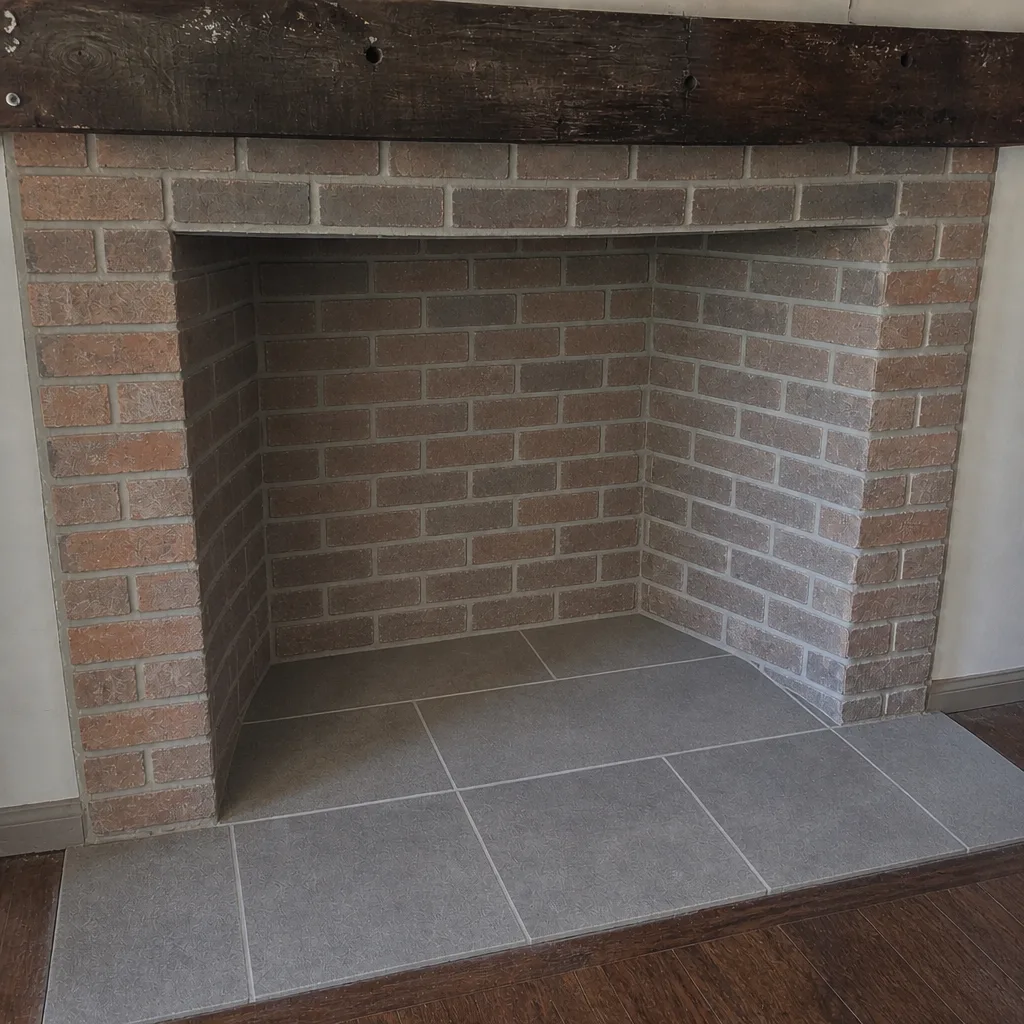
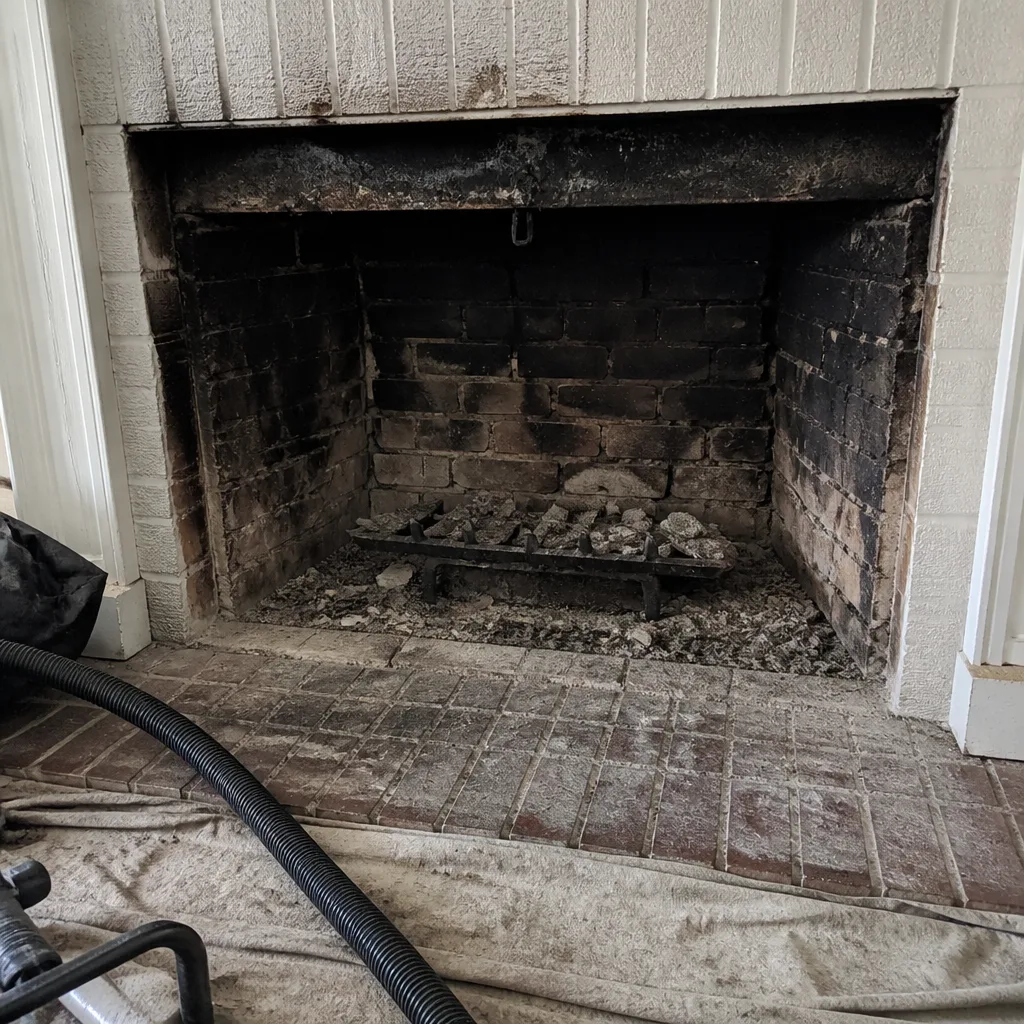
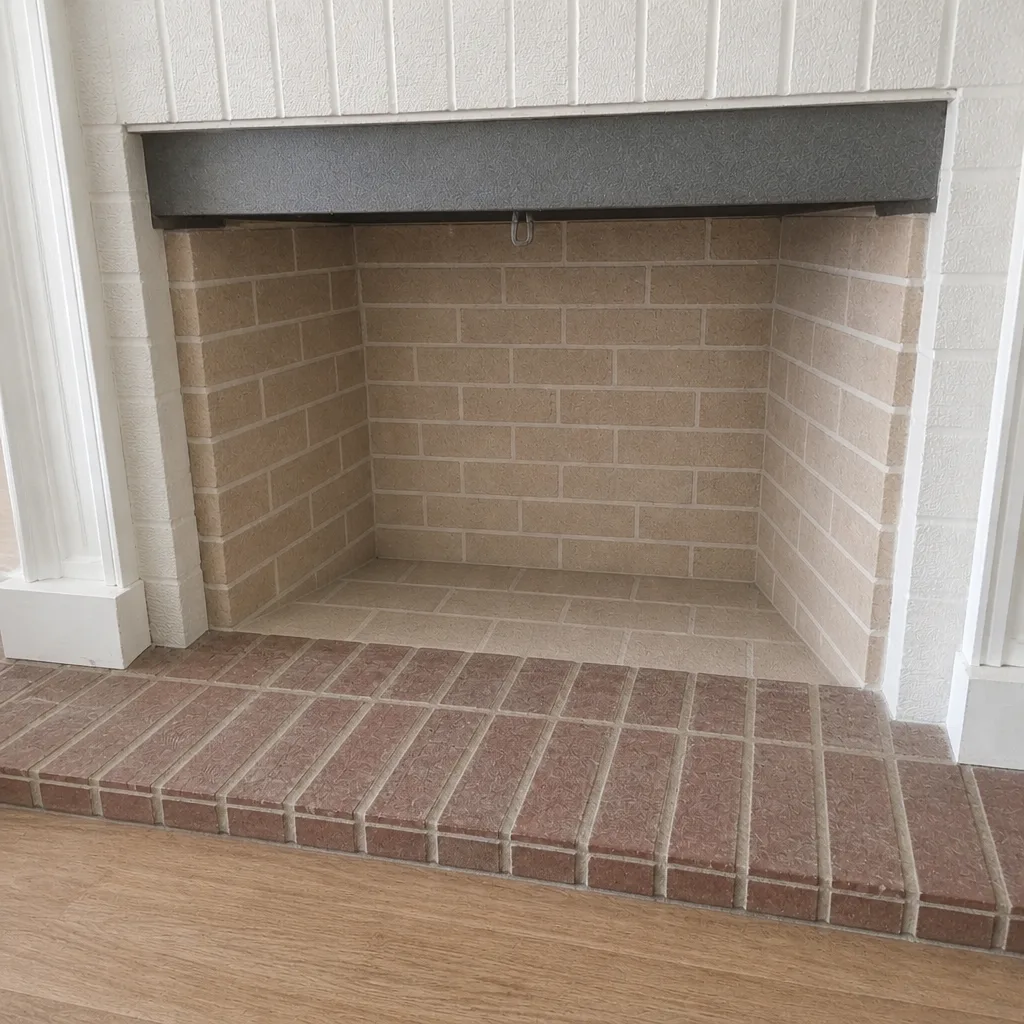
See the difference
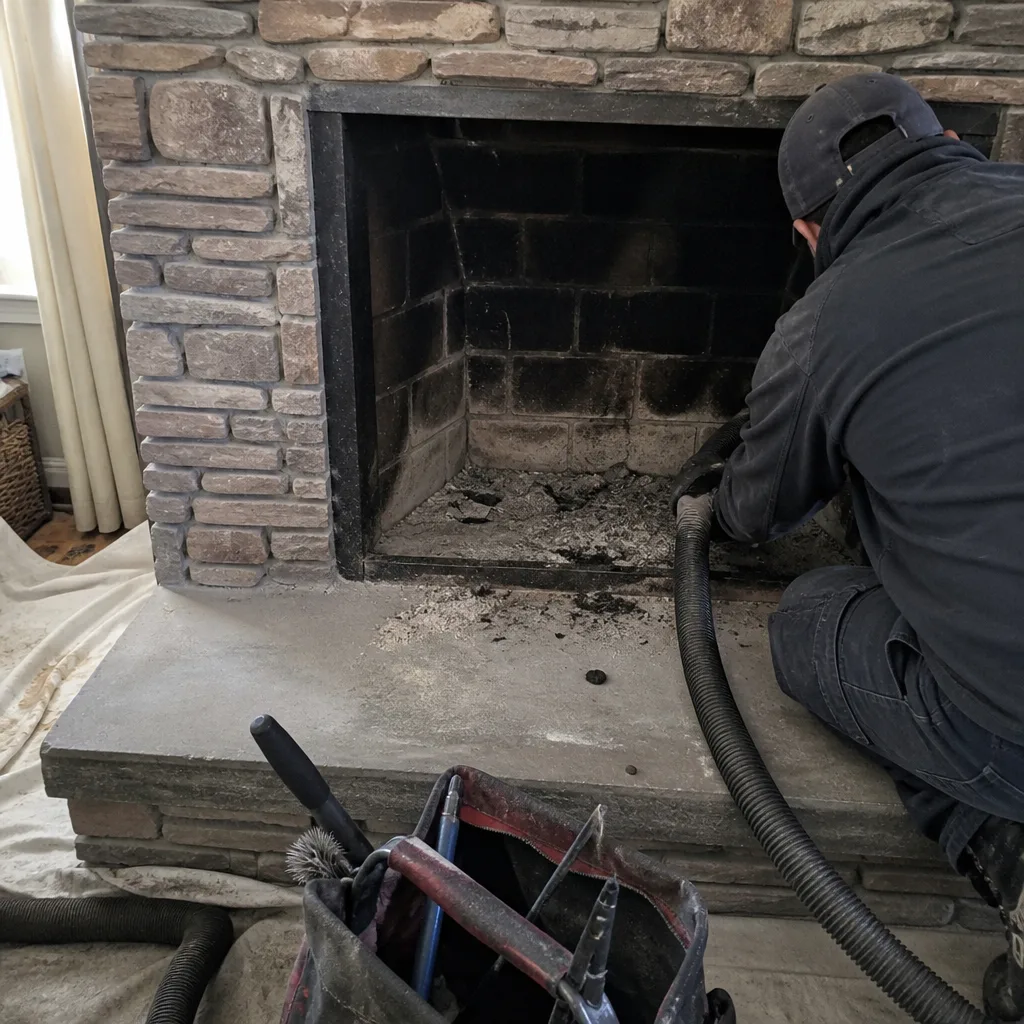 Before
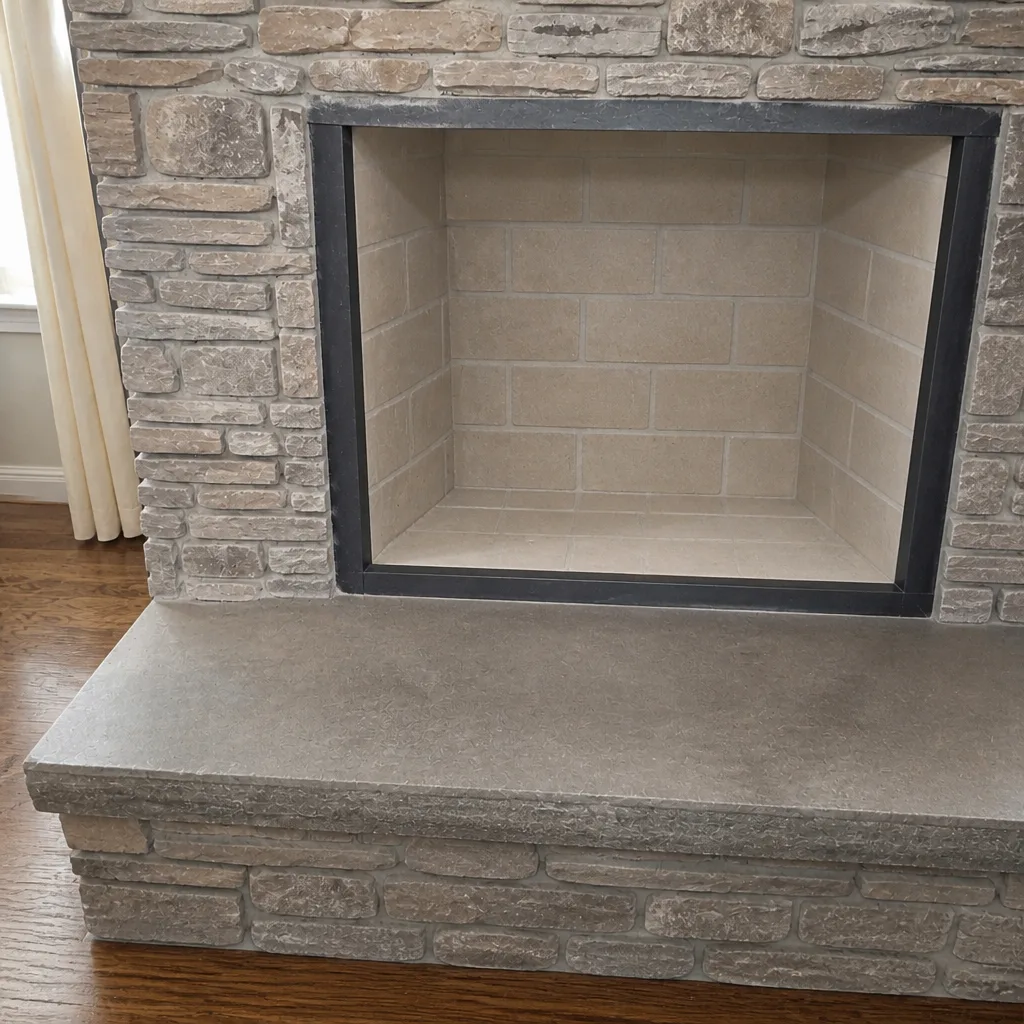 After
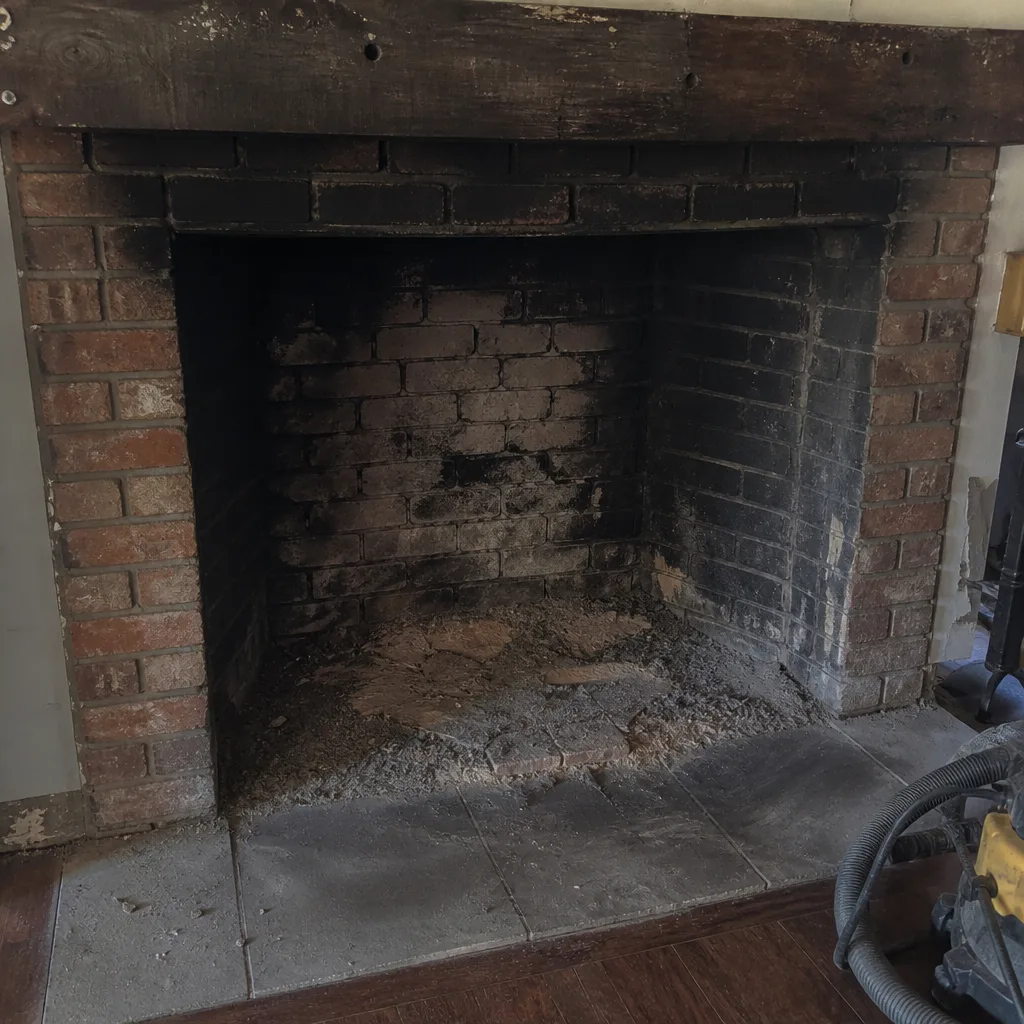 Before
 After
 Before
 After
When to Call a Professional
Some chimney situations are fine to think about and others should prompt a call this week. Call us if you’re buying or selling a home in Pleasant Grove and need a documented inspection. Call if a contractor has quoted you liner work or a firebox rebuild and you want a second opinion on whether the job is genuinely necessary. Call if you’ve noticed smoke backflow, water staining around the firebox, a cap that looks loose, or creosote buildup that’s grown heavier than expected. And call if you’ve never had the chimney inspected and you’re not sure when the last one happened. Pleasant Grove Chimney Sweep offers free estimates in Pleasant Grove. Call (833) 509-5365. We answer 24/7. Fast dispatch from 7am to 7pm, Sunday through Friday.
Frequently Asked Questions
No. Routine chimney sweeping is typically exempt from permitting in Pleasant Grove because it doesn’t alter the chimney system. It removes creosote from an existing flue. If a technician starts proposing liner work, a firebox rebuild, or a new appliance installation during the same visit, that part of the job may require a permit. Call (833) 509-5365 and we’ll tell you plainly which category your specific work falls into.
Usually, yes. Liner replacement changes the chimney system and generally requires a permit through the city building department, plus work that meets NFPA 211 standards. The specific application depends on your chimney and appliance, so confirming with the building department is the right move before work begins. Call (833) 509-5365 for an inspection first, since we’ll tell you what the liner needs before you commit to anything.
A Level 2 inspection is a camera inspection of the flue interior plus the accessible portions of connected appliances. It’s typically required at property transfer, after a chimney fire, when a different fuel or appliance type is introduced, and after a significant change to the chimney system. It’s strongly recommended before the first fire of the season in an older Pleasant Grove home, and anytime you’re unsure of the chimney’s condition. Call (833) 509-5365 to schedule one as a standalone service with no repair attached.
Yes. Call the Pleasant Grove City building department and ask how to request permit history for a specific address. Records are organized by property, so ask about fireplace, hearth, flue, chimney, and masonry permits. Ask specifically about the final inspection status on any permit tied to your chimney. If the department has no records for work you can see on the property, an inspection is the sensible next step. Call (833) 509-5365 to schedule one and get a written report.
The technician should document it with photos and written notes, explain why the arrangement doesn’t match the standard or the appliance, and separate safety concerns from things that can safely wait. Not every unpermitted install requires removal. Some are fine once verified. The key is that you know what’s there before anything goes wrong. Call (833) 509-5365 to book a cleaning and inspection in Pleasant Grove, and you’ll see the findings in writing before you decide on anything.
It means the chimney meets NFPA 211, the national standard for chimneys and vents, as adopted by Utah and applied by Pleasant Grove’s building department. Whether your particular chimney meets it can only be known through inspection, and you should ask for evidence, not a verbal assurance. Our team includes HeatShield-certified application for liner resurfacing and works with DuraFlex, Gelco, Olympia Chimney, and Famco components, so when we describe a finding, we’re describing it against a standard we work to daily. Call (833) 509-5365 for a written report.
The Bottom Line
Most chimney work in Pleasant Grove splits cleanly: cleanings and evaluations don’t need a permit, and anything that changes the system usually does. NFPA 211 sets the standard, Utah and the city apply it, and “code compliant” means it against a real inspection, not a verbal claim. The steps worth taking are simple. Get a camera inspection before the first fire of the season. Verify your permit history with the city before you buy a home. Keep a written report on file so the next person who looks at your chimney has something to work from. The rest is scheduling, and the call is free.
Pleasant Grove Chimney Sweep offers free estimates in Pleasant Grove for chimney sweeping, inspection, fireplace repair, chimney repair, and cap and crown installation. We work with professional-trade brands including HeatShield, DuraFlex, Gelco, Olympia Chimney, Famco, and Copperfield, and we’ll put the findings from your chimney in writing before you make a decision. If you just want a sweep and a straight read on what’s up there, that’s a good place to start. Call (833) 509-5365. We answer 24/7. Fast dispatch from 7am to 7pm, Sunday through Friday.
Written by the team at Pleasant Grove Chimney Sweep.