
Last updated November 24, 2026
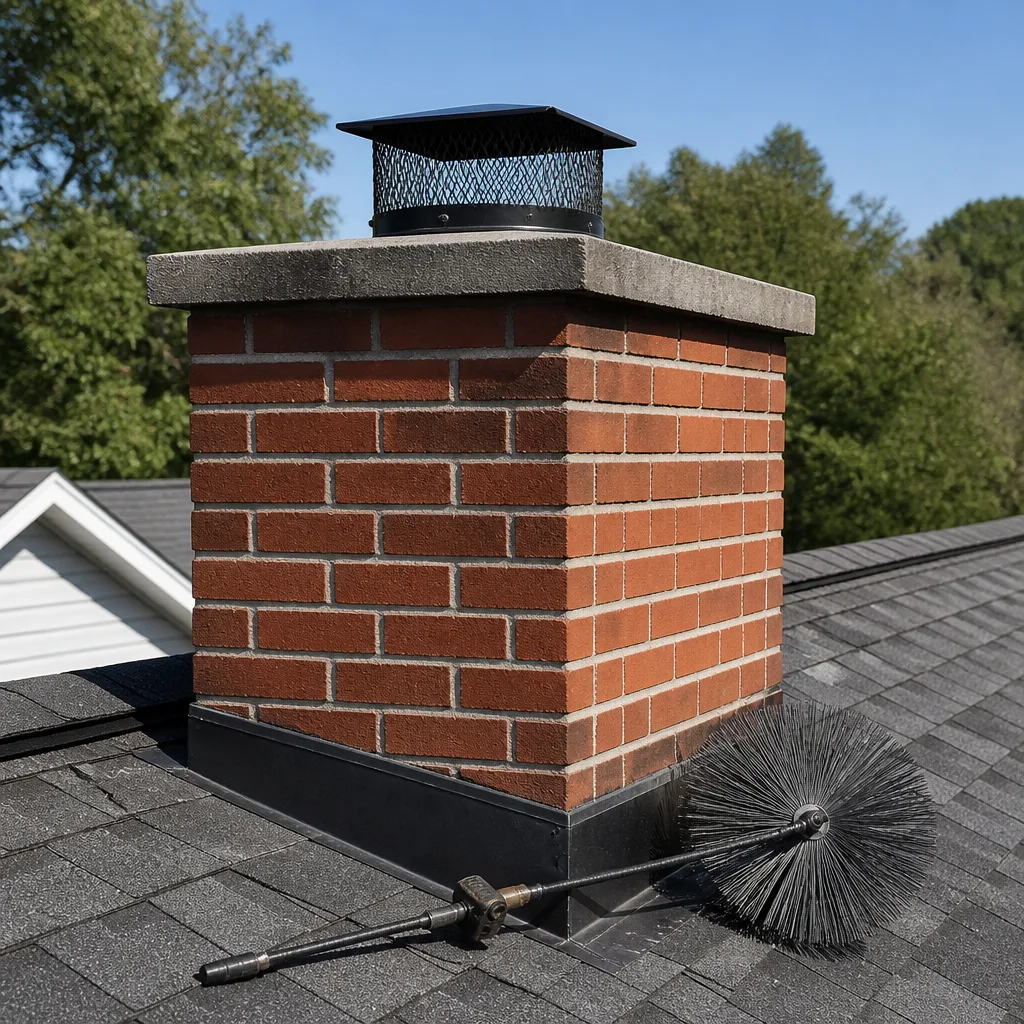 Sweep & inspection
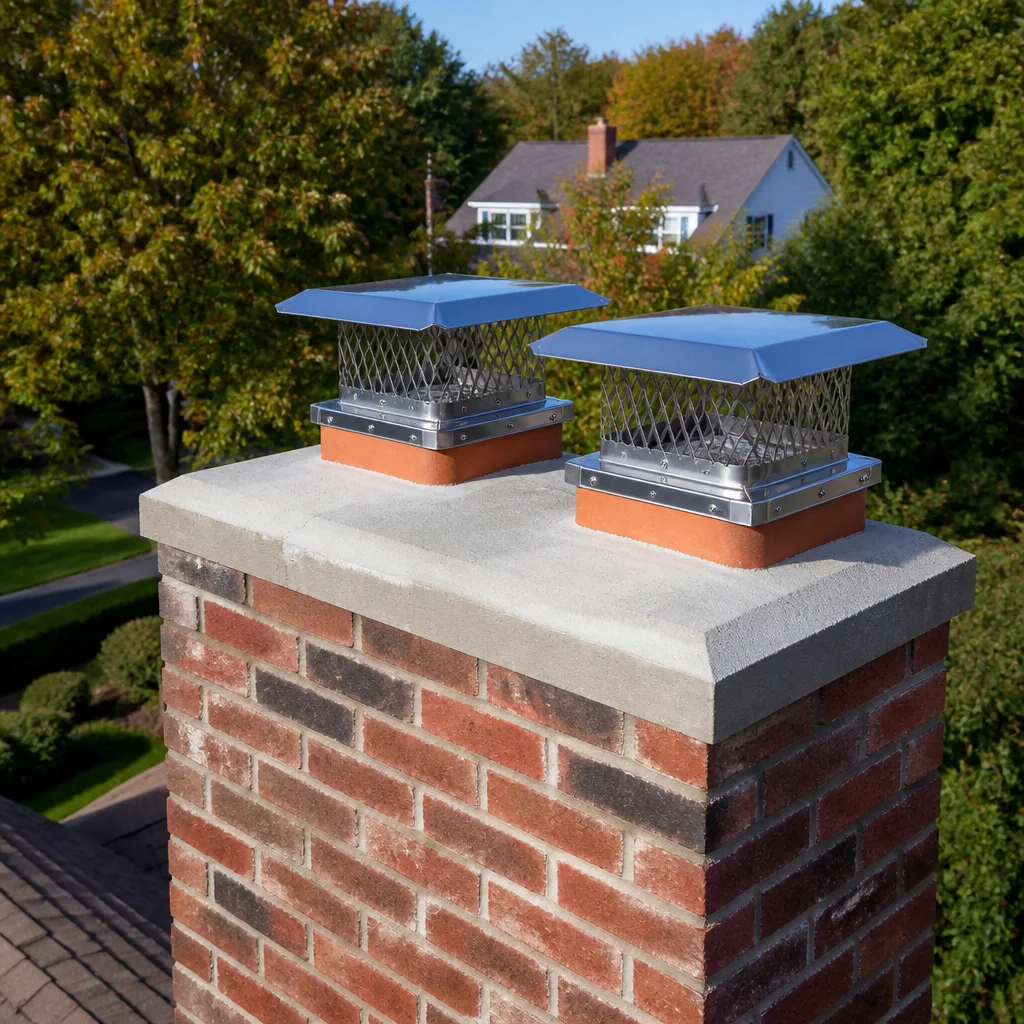 Caps & crowns
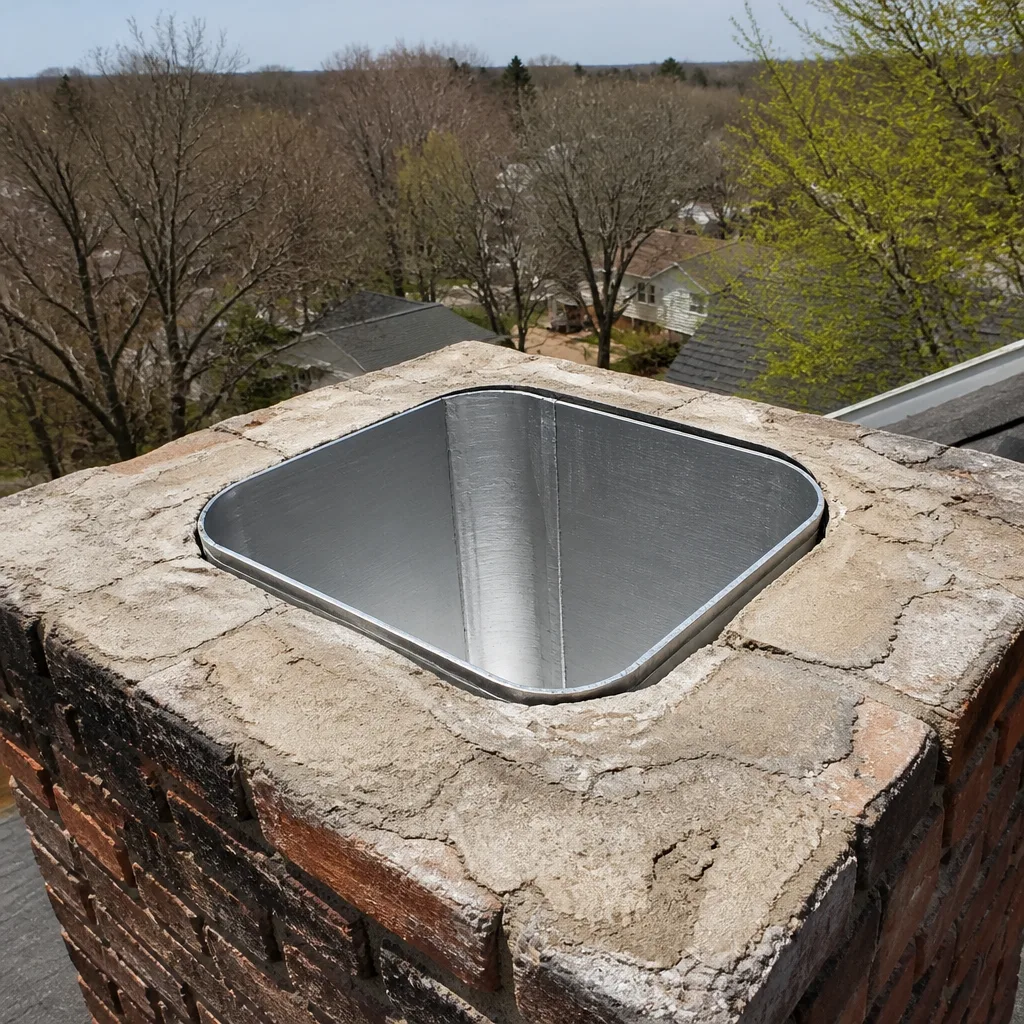 Flue relining
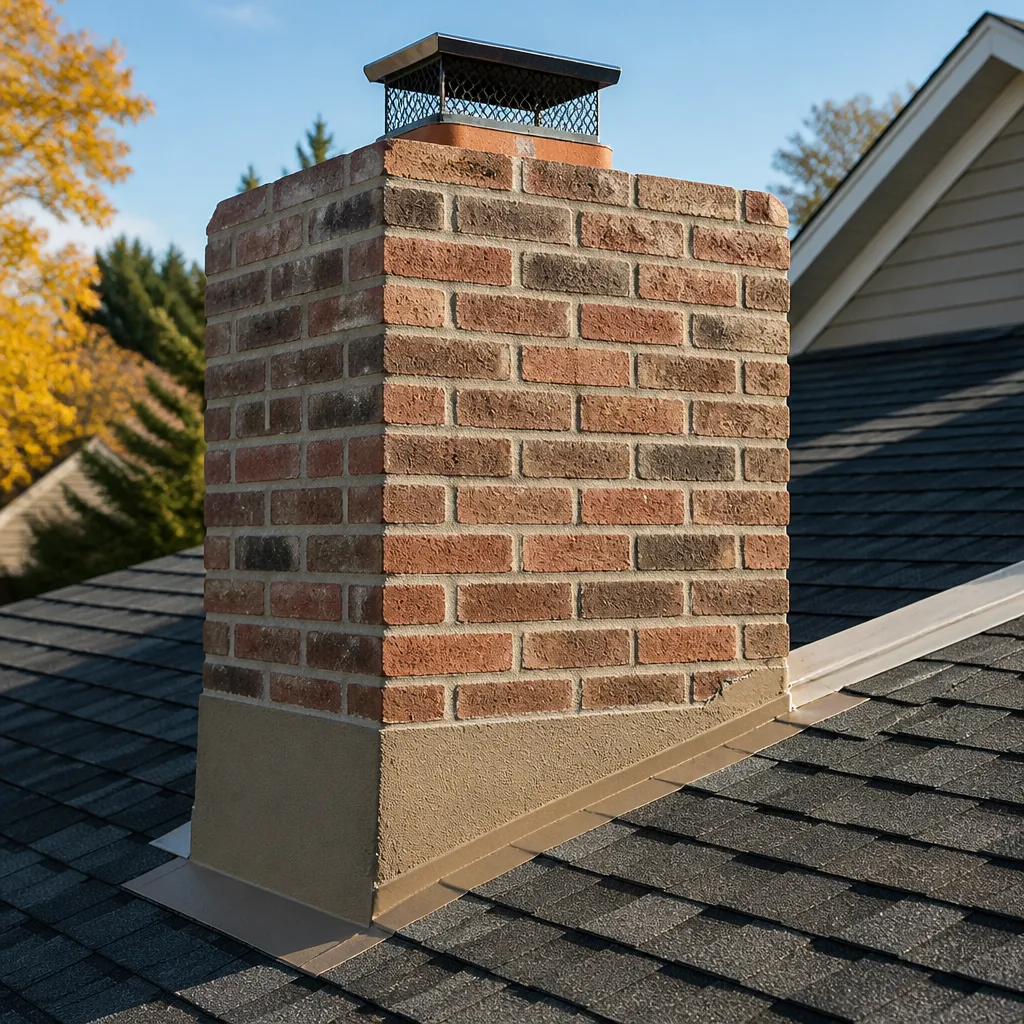 Masonry repair
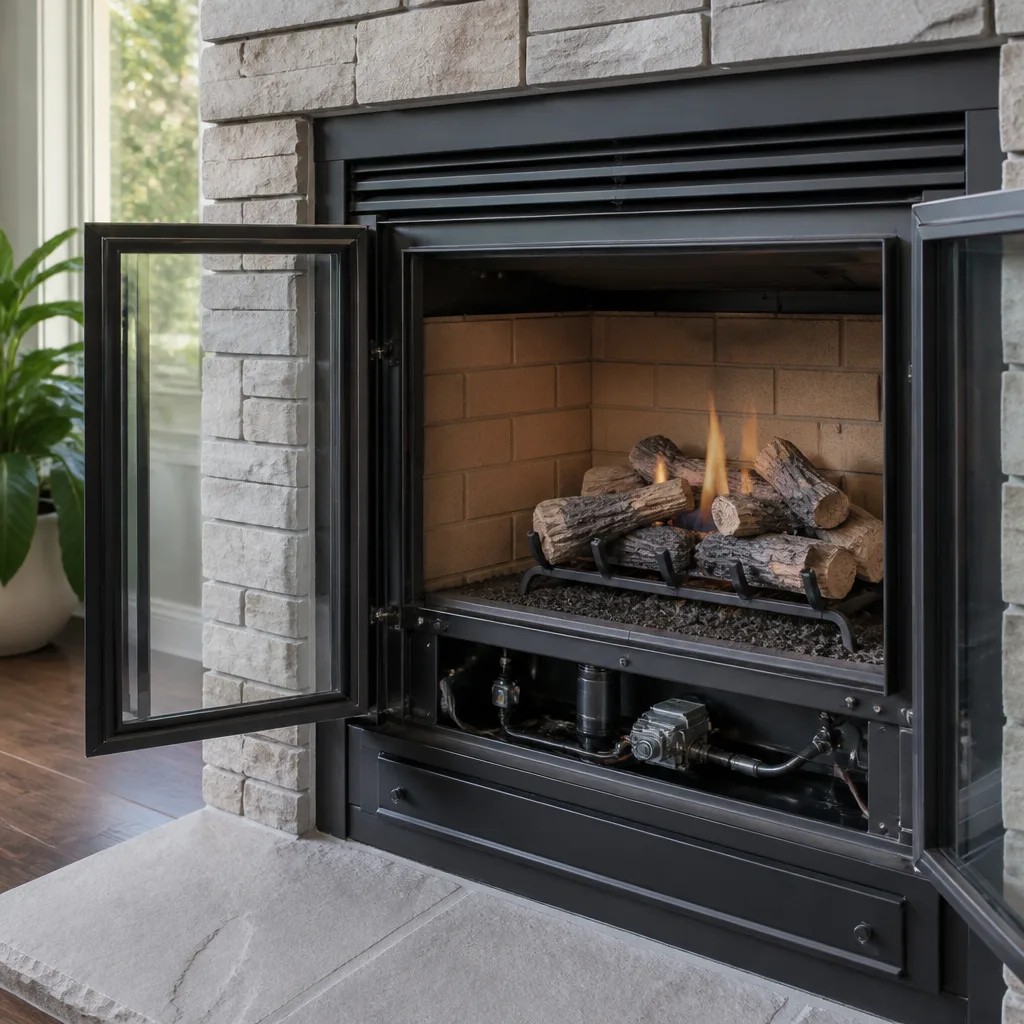 Gas fireplace service
Level 1 sweep and inspection to the NFPA 211 annual standard - flue, crown, cap, and flashing checked and photographed
Chimney sweep logs do not sweep chimneys. They loosen some creosote - which then falls where a brush and vacuum still have to collect it.
Chimney Sweep Maintenance Checklist for Pleasant Grove Homeowners
A chimney that burns through several cords of wood in a season needs attention on a completely different schedule than one lit for a few holiday fires – yet most maintenance checklists treat both the same. That mismatch is where problems hide. A homeowner burning heavily can build up creosote fast enough to matter within a single winter, while a lightly used flue may coast for two seasons before it needs anything. The trick isn’t a calendar. It’s reading the conditions your chimney actually tells you. This guide gives Pleasant Grove homeowners a condition-based checklist: what to look for, when to look, and how to document it so you’re never guessing when a contractor hands you an estimate.
Quick Answer
A chimney maintenance checklist for Pleasant Grove homeowners should be driven by how much you burn, not just the calendar. Inspect your firebox and from ground level each fall, sweep based on creosote buildup (roughly every cord burned for heavy users), and watch for freeze-thaw mortar damage after winter and debris after spring windstorms. Document what you see year over year to build a baseline.
Styles & brands we work with
- Sweep & inspection
- Caps & crowns
- Flue relining
- Masonry repair
- Gas fireplace service
Table of Contents
- Usage-Based Inspection Triggers vs. Calendar Schedules
- Visual Checks You Can Safely Do Yourself
- Early Warning Signs: Efflorescence, Spalling, and Liner Gaps
- Pleasant Grove Weather: Freeze-Thaw and Spring Wind Debris
- The Whole Chimney System, From Firebox to Crown
- How to Document Chimney Condition Year Over Year
- A Simple Seasonal Walkthrough
- Why Professional-Grade Materials Matter
Usage-Based Inspection Triggers vs. Calendar Schedules
Calendar schedules are the easiest thing to write and the least accurate thing to follow. A “sweep every year” rule is a decent floor, but it ignores the biggest variable in your chimney’s health: how much you actually burn. The more wood you burn, the faster creosote accumulates inside the flue, and creosote is what fuels a chimney fire. That relationship is the reason a condition-based checklist beats a date on the wall.
Here’s how we frame the difference for Pleasant Grove homeowners:
- Light use (a few fires a season): A yearly visual check is usually enough, with a professional sweep when you see buildup or notice draft changes.
- Moderate use (regular weekend fires through winter): Annual sweeping is the sensible default, and you should watch for creosote accumulation by mid-season.
- Heavy use (burning most days, multiple cords per season): Expect to sweep based on cords burned, not just once a year. Creosote can build quickly enough to warrant a mid-season look.
Two other triggers matter as much as volume:
- Any change in how the chimney performs. Smoke rolling into the room, weaker draft, or a fire that’s harder to light all point to a flue that needs attention.
- Any event. A windstorm, a shifting roof, visible water stains, or a fire that burned hotter than usual. Events reset the clock because they can change the condition overnight.
If you’ve never had your flue assessed, the honest starting point is a baseline inspection. Our chimney sweep pairs cleaning with a look at the whole flue so you know your actual starting condition. Once you have that baseline, the triggers above become your real schedule. In our experience across Pleasant Grove, the homeowners who stay safest aren’t the ones who sweep on the same date every year – they’re the ones who know how much they burn and match their inspections to it.
Visual Checks You Can Safely Do Yourself
You can learn a lot about your chimney without ever climbing on the roof, and you should. The checks below are safe for any homeowner. The rule is simple: nothing that requires a ladder, a roof, or wrestling with the flue itself. Those belong to a trained professional.
From the ground, looking up:
- Is the chimney cap intact? A missing or damaged cap lets water and animals straight into the flue.
- Is the crown (the concrete top) cracked or crumbled at the edges?
- Are there visible gaps, leaning, or missing mortar joints in the brick or stone?
- Do you see white staining or dark streaking down the exterior?
From inside, at the firebox:
- Open the damper and look up with a flashlight. You’re checking for heavy, glazed creosote, visible cracks, or gaps in the liner.
- Look at the firebox walls for cracks or loose brick. Hairline cracks in firebrick can widen with heat.
- Check the smoke shelf and damper for debris or a damper that no longer seals.
- Look for rust or water stains around the firebox – a sign water is getting in somewhere above.
None of these checks tell you everything. Creosote hidden higher in the flue, a failing liner, and structural issues inside the chimney won’t show up from the firebox floor. But these visual checks tell you when to escalate, and that’s their job. When anything looks off, a professional inspection is the next step – not a DIY repair.
Early Warning Signs: Efflorescence, Spalling, and Liner Gaps
The most expensive chimney problems almost always announce themselves early. They just do it quietly, in forms most homeowners don’t recognize as warnings. Here are three to learn.
Efflorescence is the white, powdery staining you sometimes see on exterior masonry. It’s salt drawn to the surface as moisture moves through the brick and evaporates. A little is cosmetic. Persistent or spreading efflorescence means moisture is repeatedly soaking into the masonry – usually because water is getting in somewhere and can’t get back out. Left alone, that moisture cycle leads to the next problem.
Spalling is when the face of the brick flakes, peels, or pops off. It’s what happens after freeze-thaw cycles have worked moisture into the masonry enough times to break it apart. Spalling is a structural warning, not a cosmetic one. Catching it early is the difference between repointing a few joints and rebuilding a section of chimney. This is exactly the kind of early-stage problem a standalone inspection is built to find.
Liner gaps are the quietest of the three and the most dangerous. The flue liner is what keeps combustion gases, heat, and creosote inside the flue and away from the wood framing around your chimney. A gap or crack in the liner puts hot gases in contact with combustible material. You often can’t see a bad liner from inside the house; it takes a professional inspection with proper access to confirm. If an inspection turns up a damaged liner, resurfacing with a system like HeatShield can restore it without a full tear-out in many cases – a repair option that isn’t available to DIYers.
The pattern across all three: moisture and thermal movement start the damage, and cheap-looking symptoms are the visible stage of expensive hidden problems. Learn what early looks like, and you’ll catch things while they’re still small.
Pleasant Grove Weather: Freeze-Thaw and Spring Wind Debris
Pleasant Grove sits against the mountains in Utah Valley, and the local weather shapes how a chimney ages. Two forces matter most for homeowners here.
Freeze-thaw cycles. Winters in the valley swing above and below freezing, sometimes repeatedly within a week. Each time moisture trapped in masonry freezes, it expands; when it thaws, it contracts. Over a season, that cycle stresses mortar joints and brick faces. This is why late winter and early spring are prime time to look for fresh mortar cracking and spalling. If you see new cracks after a hard winter, that’s the freeze-thaw cycle at work, and it’s a good reason to book an inspection before the damage compounds.
Spring windstorms. The valley gets strong winds in spring, and they carry debris. Check after a windy stretch for:
- Leaves and twigs packed in the cap or around the crown
- A cap that’s been knocked loose or shifted
- Debris that’s found its way into the flue
- Warmer weather nesting activity – birds and small animals favor open flues
The combination is specific to this area: a hard winter opens up mortar, then spring winds and weather work debris and moisture into those openings. A chimney cap and a sound crown are your two best defenses, because they’re the two most common points where water enters the system. If your cap is missing or your crown is cracked, that’s a fix worth doing before the next winter’s freeze-thaw cycle gets to work on exposed masonry. Keeping up with a cap and crown is one of the least expensive forms of prevention we see homeowners put off too long.
The Whole Chimney System, From Firebox to Crown
It helps to stop thinking of your chimney as a single object. It’s a system with several components, and a failure anywhere in it affects the rest. When you inspect, check each part:
- Firebox and damper. The combustion zone. Check for cracked firebrick, loose mortar, and a damper that seals properly.
- Smoke chamber. The transition from firebox to flue. A rough or eroded smoke chamber hurts draft and collects creosote.
- Flue liner. The barrier between combustion and your framing. Gaps or cracks are serious.
- Crown. The concrete cap at the top that sheds water away from the masonry. Cracks here let water in.
- Chimney cap. The cover that keeps out rain, snow, debris, and animals. This and the crown are the two most common water-intrusion points.
- Masonry and flashing. The brick, stone, and the seal where the chimney meets the roof.
This is why single-trade focus matters. A generalist who sweeps chimneys on the side can clean your flue, but fixing a cracked crown, a failed cap, or a firebox problem is a different skill set. Pleasant Grove Chimney Sweep covers the whole system – sweeping, inspection, fireplace repair, chimney repair, and cap and crown work – so you don’t need a second contractor for the repairs the cleaning turns up. When the same people who clean your flue can also make the structural repairs it needs, nothing falls between the cracks of a referral. That continuity is one of the practical reasons we focus only on chimneys and fireplaces rather than spreading across home services. If you suspect a structural issue, our chimney repair work covers masonry, crown, and flashing.
How to Document Chimney Condition Year Over Year
The single most useful habit for a Pleasant Grove homeowner is also the most overlooked: keep a simple record. When a contractor tells you your chimney needs work, a documented history tells you whether that’s a new development or something that’s been stable for years. It turns a judgment call into a comparison.
You don’t need anything complicated. A notebook or a folder of photos works. Each year, record:
- The date of your check or professional inspection
- How much you burned since the last check (roughly, in cords or “heavy/light”)
- Photos of the exterior from the same angle each time – this is the baseline that matters most
- Photos of the firebox and, if a pro is doing the check, the flue
- Any inspector notes – what was found, what was recommended, what was done
Here’s the payoff. Say a contractor points to efflorescence on the chimney and recommends work. If you have a photo from each of the last three years showing it hasn’t changed, you know it’s stable and can wait. If the photos show it has spread, you have proof the problem is active. Either way, you’re not taking anyone’s word for it – you’re looking at evidence you built yourself.
The same logic protects you against unnecessary repairs. A documented baseline plus a professional inspection that comes with camera images gives you two sources of truth. At Pleasant Grove Chimney Sweep we offer inspections as a standalone service precisely because an honest assessment shouldn’t depend on you agreeing to work. You get the findings, you see the evidence, and you decide. Our written recommendations, paired with your own records, mean you’ll always know what’s new and what can safely wait.
A Simple Seasonal Walkthrough
Here’s how the checklist comes together across a year. This is a sequence, not a rigid schedule – adjust the timing to when you actually burn.
- Before the first fire of the season (early fall): Do your ground-level and firebox visual checks. Clear any debris. Confirm the cap and crown look intact. Book a professional sweep and inspection if it’s been a season or more since the last one, or if your checks turn up anything.
- Mid-season (if you burn heavily): Do a firebox check. If you’re burning multiple cords, a mid-season look at creosote levels is worth it.
- After winter: Look for fresh freeze-thaw mortar cracking and new spalling. This is the key check for Pleasant Grove’s climate.
- After spring windstorms: Check the cap, crown, and flue for debris and storm damage.
- Before summer: Confirm the cap is secure and the crown is shedding water, because summer storms and nesting season are next.
- All year: Document each check in your log with photos and notes.
If any step surfaces something that needs fixing – a loose cap, a cracked crown, a firebox crack – that’s the time to get it looked at by a professional. Booking a fireplace repair when you first spot a problem is far less costly than waiting for it to become structural.
Why Professional-Grade Materials Matter
When a repair does get recommended, the materials matter as much as the labor. Chimney work uses specialty components – liners, caps, crowns, and resurfacing systems – that aren’t interchangeable with hardware-store substitutes. The difference shows up in how the repair holds up through years of freeze-thaw and seasons of heat.
Pleasant Grove Chimney Sweep installs and works with professional-trade brands, the same lines certified chimney specialists use nationally. That includes DuraFlex liner systems for relining, HeatShield for chimney liner resurfacing, and Olympia Chimney and Gelco components for caps and related work. These aren’t retail substitutes; they’re the materials the trade relies on. For a homeowner, the practical takeaway is simple: ask what a contractor plans to install. If they can’t name the material lines they use, that’s your answer. Professional-grade materials paired with proper application are what make a repair last.
Common Mistakes to Avoid
- Sweeping on a fixed date regardless of use. A once-a-year rule ignores how much you actually burn. Heavy users in Pleasant Grove can build creosote well before their “annual” date, so match the schedule to your burn volume.
- Assuming a clean flue means a safe chimney. Creosote is only part of the picture. Liner gaps, a cracked crown, and firebox damage are separate problems that cleaning won’t reveal – only a full inspection will.
- Ignoring exterior masonry after winter. Freeze-thaw cycles here crack mortar and start spalling, and both get worse if left. A quick look each spring catches them early.
- Going without a chimney cap. An open flue takes in rain, debris, and animals. A cap is inexpensive prevention against a much larger water problem.
- Skipping documentation. Without photos and notes, every contractor estimate is a judgment call you can’t verify. A year-over-year record lets you compare and know what’s actually new.
- Climbing on the roof to “check things.” Ground-level and firebox checks are safe and useful. Roof work is not a homeowner task – leave it to a professional.
- Letting one contractor clean and another repair. When the sweep and the repair are split between companies, findings get lost in translation. One team that covers the whole system – from the firebox to the crown – keeps the picture consistent.
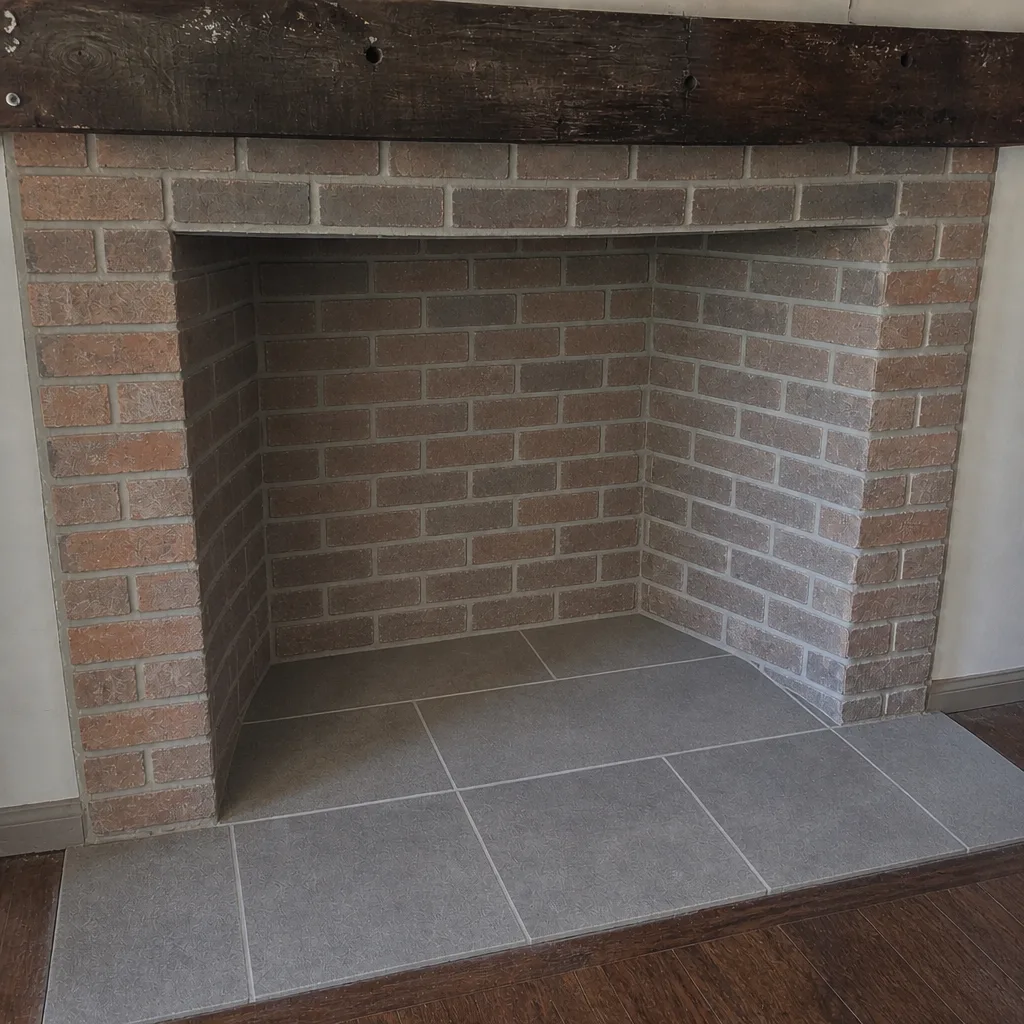
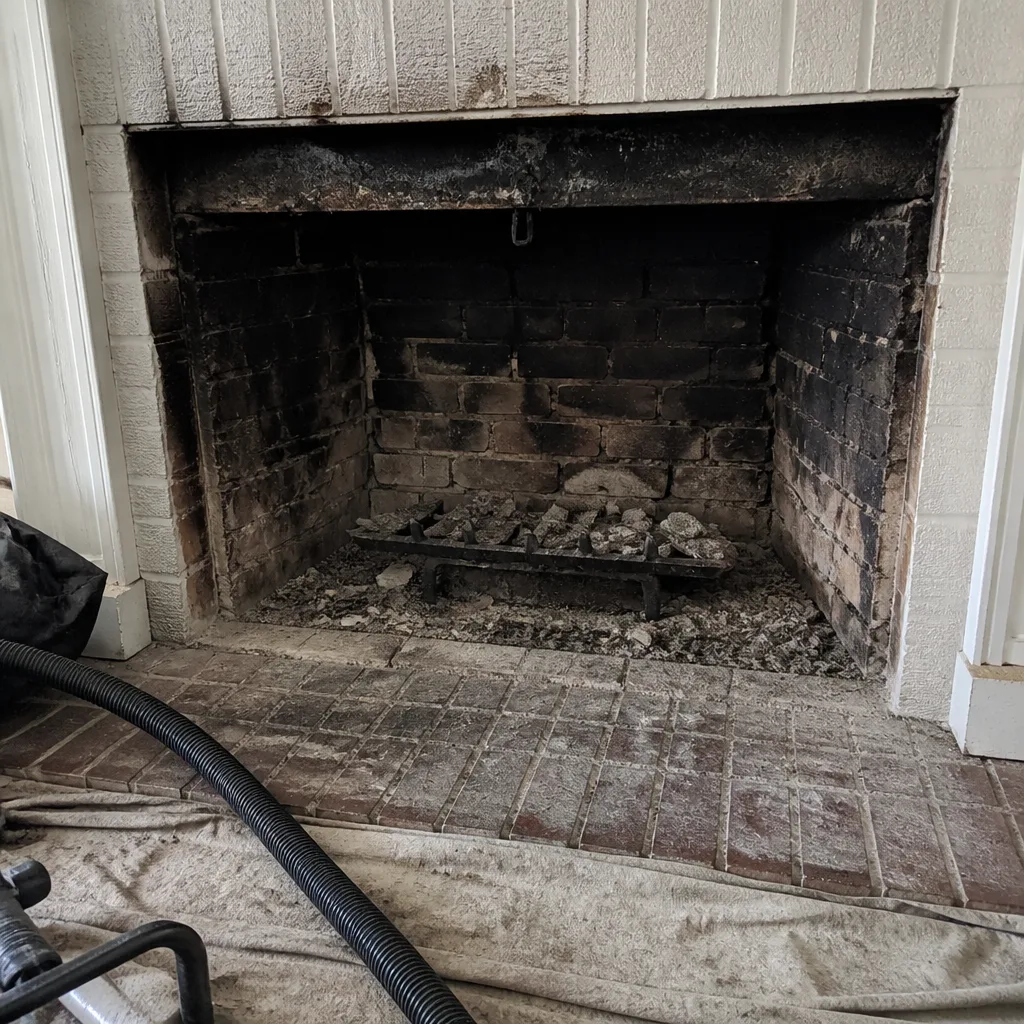
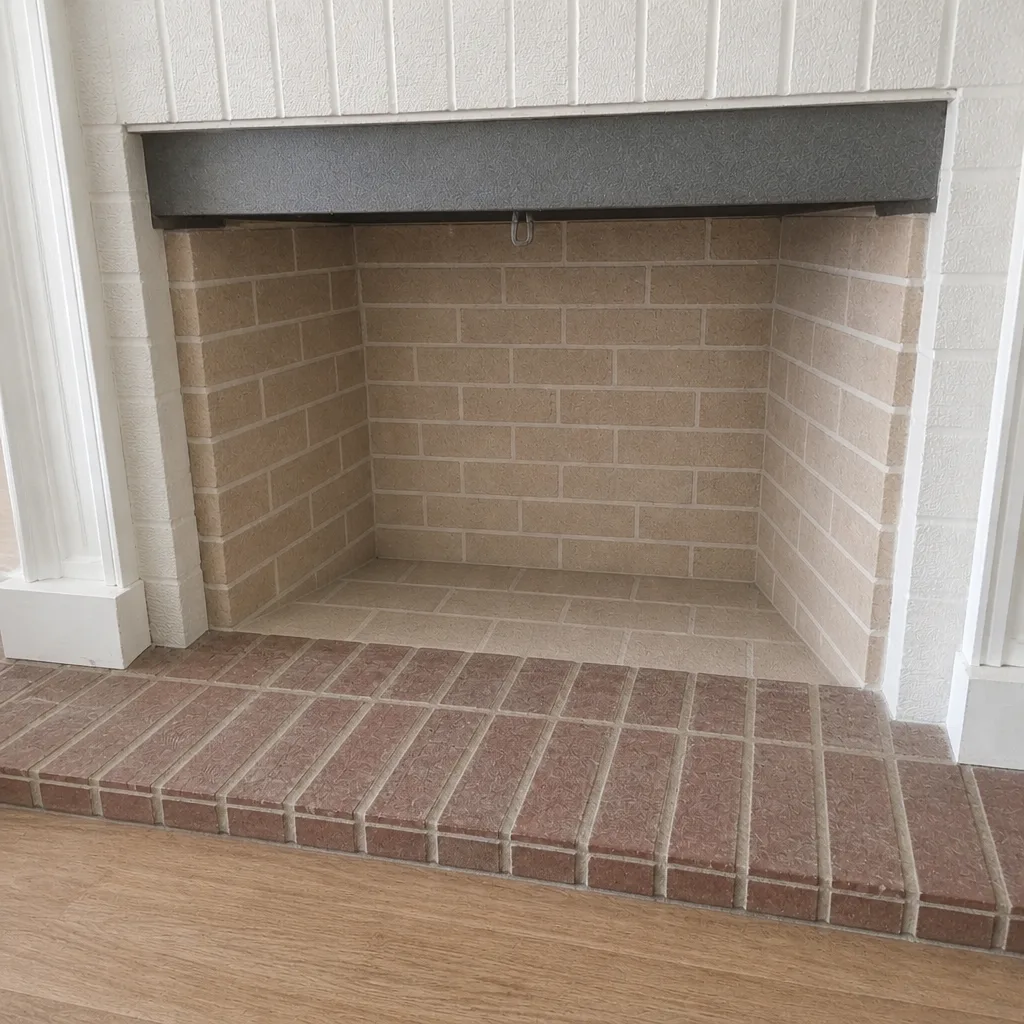
See the difference
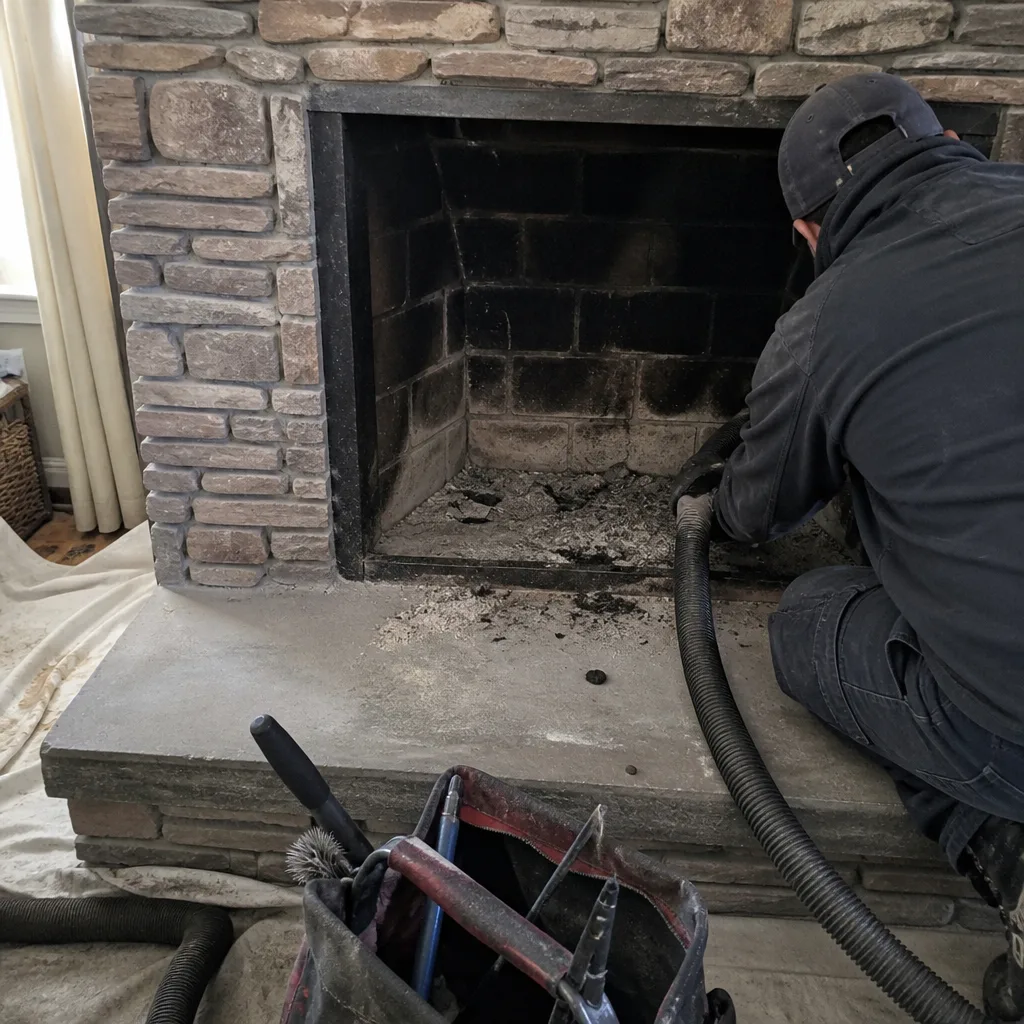 Before
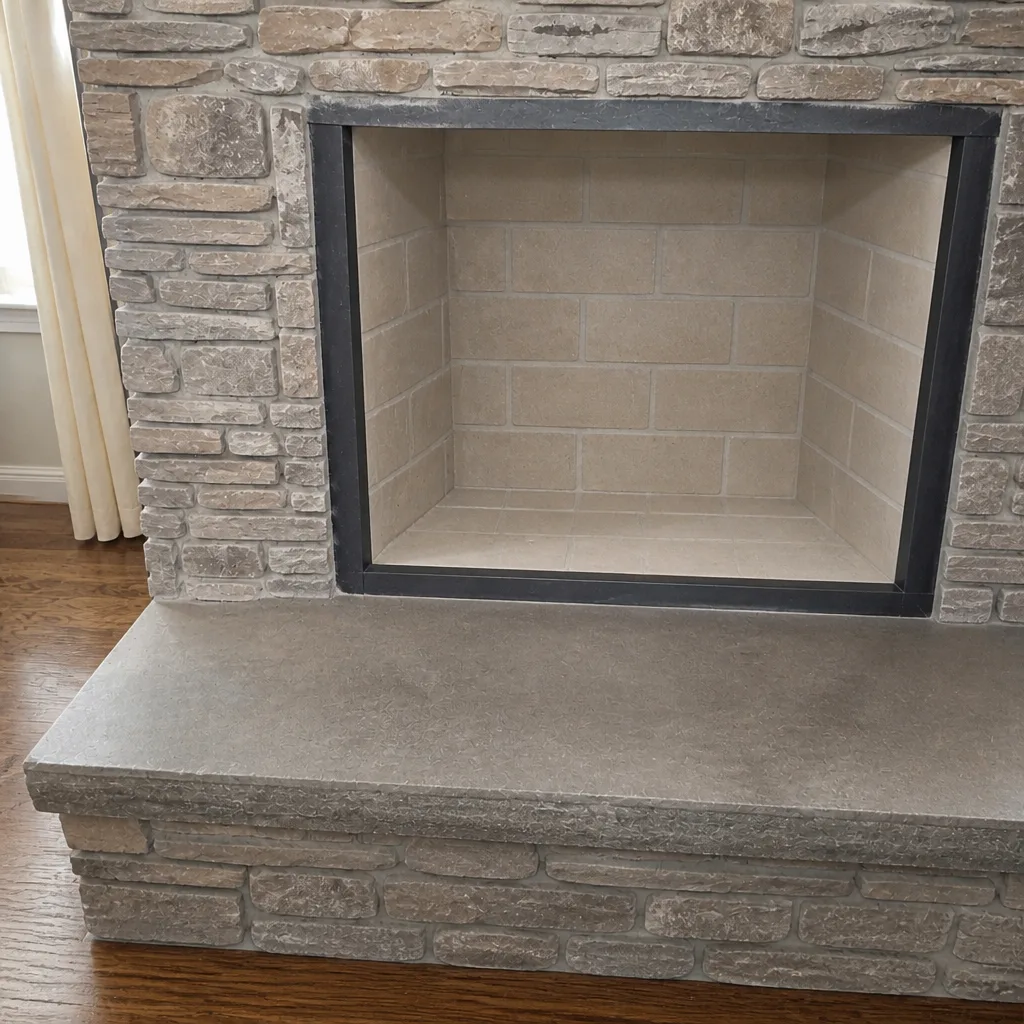 After
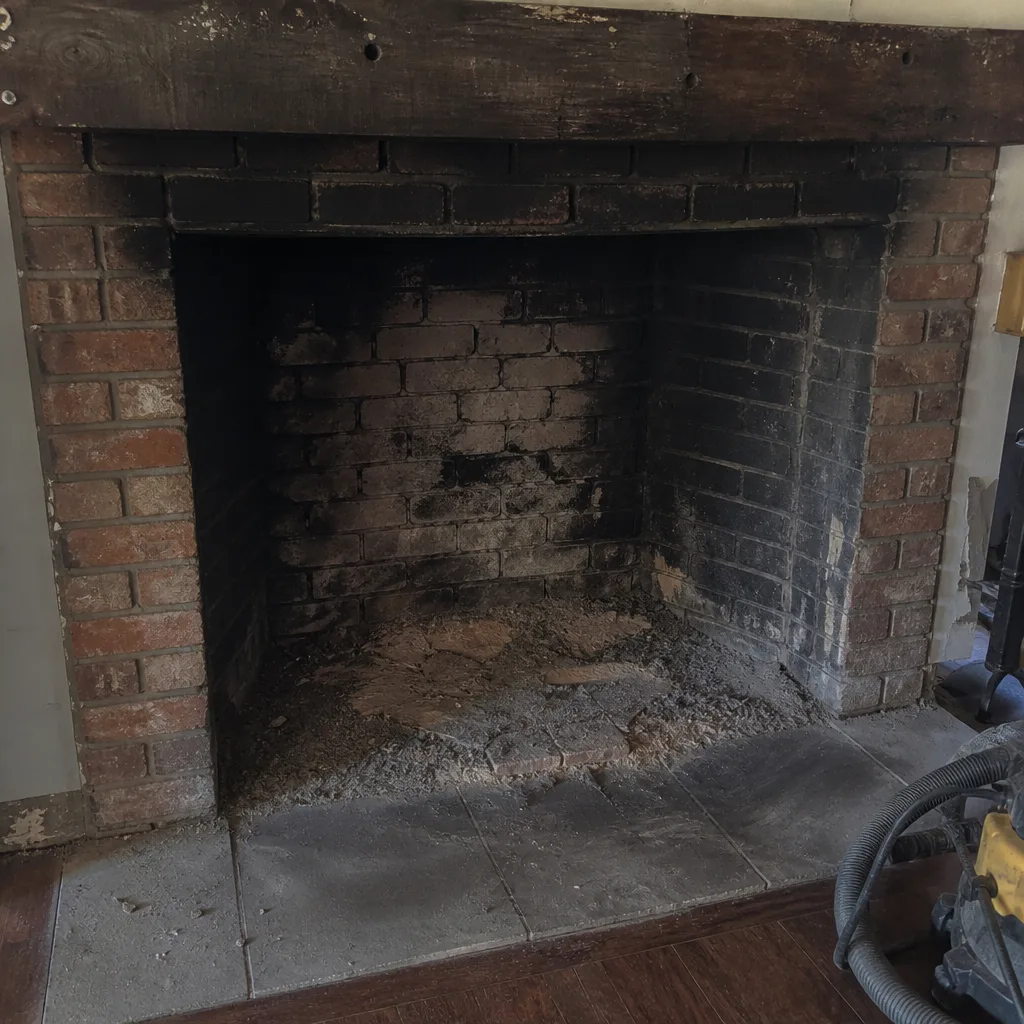 Before
 After
 Before
 After
When to Call a Professional
Call a professional when anything on your checklist moves from stable to changing: new mortar cracks or spalling after winter, a cap that’s loose or missing, a crown that’s cracking, water stains around the firebox, smoke rolling back into the room, or visible creosote buildup. Book a sweep if it’s been a season or more since the last cleaning and you burn regularly, and book an inspection if you’ve never had a baseline. Anything involving the roof, the flue interior, or the liner is professional territory – don’t attempt it yourself. Pleasant Grove Chimney Sweep offers free estimates in Pleasant Grove – call (833) 509-5365. We answer 24/7. Fast dispatch from 7am to 7pm, Sunday through Friday. Our technicians have up to 14 years of experience, and we’ll show you what we find before recommending any work.
Frequently Asked Questions
It depends on how much you burn, not just the calendar. Light users can go by a yearly check with sweeping as buildup warrants, while heavy users burning multiple cords a season should expect to sweep based on cords burned, sometimes mid-season. The reliable rule is to sweep whenever creosote has built up enough to matter, and to get a baseline inspection if you’ve never had one. Call (833) 509-5365 for an exact quote – estimates are free.
You can safely check the exterior from the ground and the firebox from inside. From the ground, look at the cap, crown, mortar joints, and any staining. From the firebox, use a flashlight to look up the flue for heavy creosote, cracks, and liner gaps, and check the firebox walls for cracked or loose brick. Roof and flue-interior work belongs to a professional.
Efflorescence is white salt staining that appears when moisture moves through masonry and evaporates at the surface. A little is cosmetic, but spreading or persistent staining means moisture is repeatedly soaking in, usually through a gap somewhere above. It’s an early warning worth an inspection, not an emergency. Call (833) 509-5365 to schedule an assessment – estimates are free.
Not every liner problem requires replacement. If an inspection finds a damaged liner, resurfacing with a system like HeatShield can restore it in many cases without a full tear-out, which is one reason we offer it. But the recommendation should always be backed by camera evidence you can see for yourself, so you’re never guessing. Nothing is recommended without that evidence.
Sometimes it can, and we’ll tell you when. A stable, unchanging cosmetic issue can often wait; a liner gap, active water intrusion, or a failing cap/crown should be addressed before the next winter’s freeze-thaw cycle or burning season. The point of documenting your chimney year over year is so you can tell the difference. Call (833) 509-5365 with questions – estimates are free.
Creosote keeps building, which raises chimney-fire risk, and small masonry or liner problems keep growing through moisture and freeze-thaw cycles. Skipping checks doesn’t cause a problem overnight, but it removes your early warning, so issues surface when they’re larger and costlier. A yearly visual check plus a professional inspection is the safeguard. Call (833) 509-5365 for a baseline inspection – estimates are free.
The Bottom Line
A chimney maintenance checklist works when it’s built on conditions, not just dates. Know how much you burn, do the safe ground-level and firebox checks each season, and watch for the early signs – efflorescence, spalling, liner gaps – before they grow expensive. Pleasant Grove’s freeze-thaw winters and spring windstorms make those checks especially worth doing. Document what you find year over year so you have a baseline to compare against any estimate. And when something changes, get it looked at by a professional who covers the whole system from the firebox to the crown, with evidence you can see. For a smarter, condition-based approach to your Pleasant Grove Chimney Sweep service, start with a baseline inspection and build your schedule from there.
Call (833) 509-5365 for a free estimate. We answer 24/7. Fast dispatch from 7am to 7pm, Sunday through Friday.
Written by the team at Pleasant Grove Chimney Sweep.